How a concentrated emerald pigment supports consistent color across large production batches
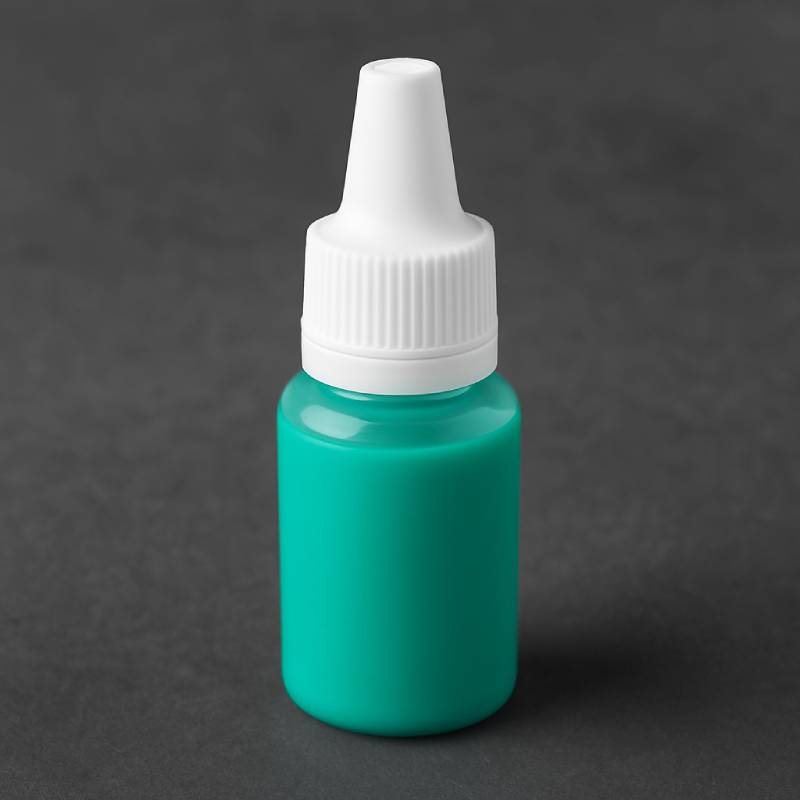
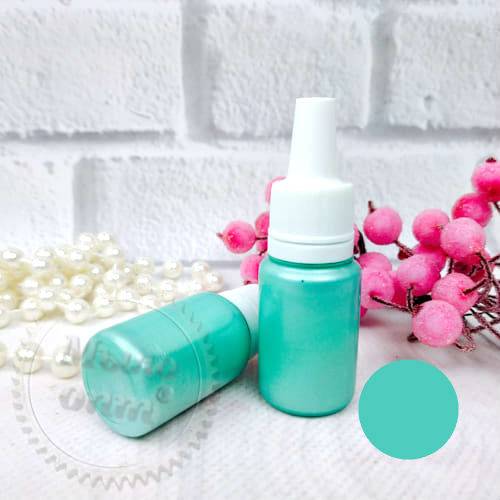
When manufacturers need dependable, batch-to-batch color accuracy, a concentrated liquid pigment in a 1 liter container becomes a practical solution rather than a specialty item. Pigment dye Emerald falls under the category of Pigments Liquid and delivers dense, uniform coloration even at low dosage rates. This larger format suits studio-scale and conveyor-line manufacturing where operators want a reliable stock of a tested shade without recalculating ratios for every new batch. Explore additional shades in the Liquid Pigments Wholesale section.
The strongest global demand for this type of pigment comes from decorative and skincare cosmetics manufacturing, where a deep emerald tone is needed without any color bleeding into the water phase of the finished product. It is widely used in bath bomb production, solid and gel shower bases, body scrubs, dense cream formulations, and also finds steady use in candle making and household chemical production, where color stability throughout the mass matters more than surface tint. Unlike dye-based colorants, this pigment does not migrate into water and does not transfer onto skin or fabric, which makes it a practical choice for water-contact and rinse-off products.
Typical dosage ranges from 0.1 to 1 percent of total product mass, though the final amount depends on desired intensity and the base material used. Before use, the pigment should be stirred thoroughly since particles may settle at the bottom of the container during storage. It is best introduced once the base is already melted or brought to a uniform consistency, at a temperature not exceeding 70-80 degrees Celsius, to avoid thermal degradation of the color particles. The container should be kept tightly sealed, away from direct sunlight, in a dark place at room temperature, avoiding sharp temperature fluctuations.
Emerald pigment blends well with other liquid colorants to build transitional shades and layered effects. Adding a small amount of Lemon liquid pigment colorant 10 ml produces a lighter, grassy green, while combining it with Green Apple liquid pigment ultra 10 ml brightens the tone and adds freshness. For contrasting multilayer products, this pigment also pairs effectively with warmer shades, including the deep tone of Red wine liquid pigment 10 ml, opening up options for multicolor layered compositions in bath bombs, candles, and decorative items.
Thanks to its high concentration, the 1 liter format offers strong value for manufacturers running regular production volumes, and the sealed packaging keeps dosing convenient throughout the full usage period.
Emerald layered gel candle in a glass jar
Gel candle base 500 g
Pigment dye Emerald 3 ml
Fragrance oil marine or pine 8 ml
Wick with metal base 1 piece
Glass jar container 1 piece
Melt the gel base gently in a double boiler at around 85-90 degrees Celsius, stirring slowly to prevent air bubbles from forming. Remove from heat and let it cool slightly to about 80 degrees, then add the pigment in small amounts, mixing thoroughly until the color spreads evenly through the mass. Stir in the fragrance oil, secure the wick at the center of the jar, and pour the mixture in carefully. Allow the candle to set at room temperature away from drafts for several hours before use.
Frequently asked questions
What bases suit Emerald pigment dye in 1 L pack?
Use it in dense creams, shower gels, bath bombs, scrubs or candles where non-migrating color is needed. Add drop by drop while mixing to reach the desired emerald shade. Start with a small test batch to adjust intensity.
How should the 1 liter Emerald pigment be stored until 12.2041?
Keep the container in a cool dry place away from light. This preserves the liquid pigment properties and prevents any change in the emerald tone over the full shelf life.
Can I request a COA for the Emerald liquid pigment?
Yes, a certificate of analysis is available on request and covers color and other specifications of this non-dissolving pigment. It supports consistent results in cosmetic or candle production.
Is the 1 L size suitable only for large batches or also trials?
The pack suits ongoing production runs yet allows pouring small portions for testing. Remaining pigment stays stable for later use when stored correctly.