What Allantoin Represents
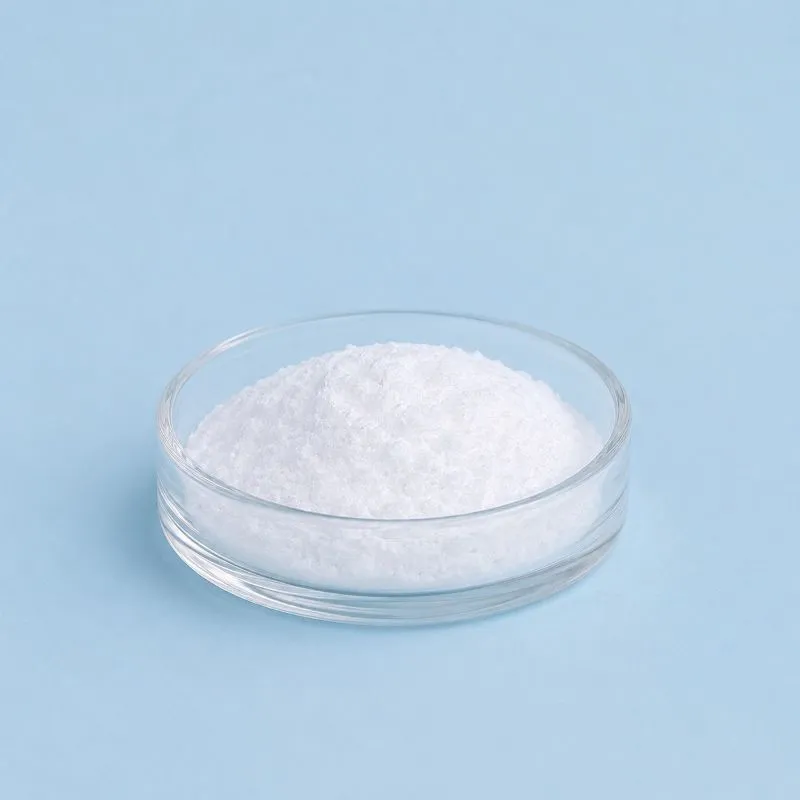
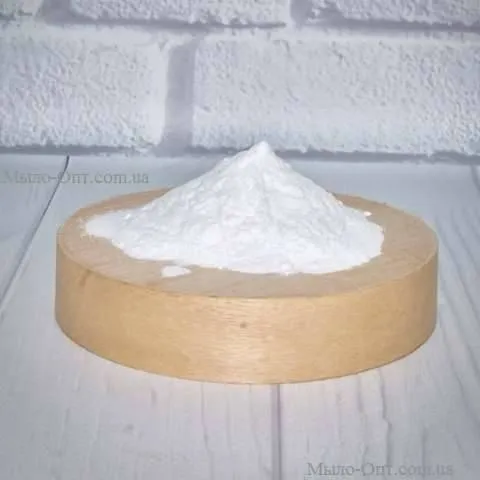
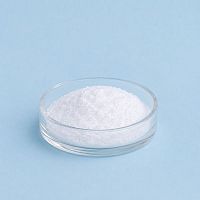
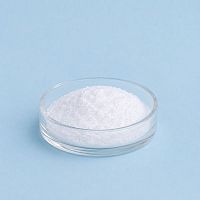
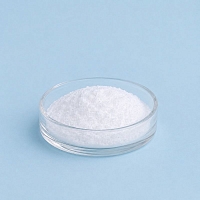
Allantoin 20 g is a cosmetic active supplied as white colorless crystals with a neutral smell. This raw material is used in personal care formulas to support skin comfort and moisture retention. The 20 gram pack suits small batch testing and home formulation work. It belongs to the calming actives group where formulators look for ingredients that help maintain skin balance in creams and balms.
Main Properties
The product appears as colorless crystals that dissolve readily in warm water. Recommended input levels range from 0.2 to 2 percent, with 0.5 percent used most often. The chemical structure is listed as 2,5-Dioxo-4-imidazolidinyl. These characteristics make the ingredient straightforward to handle in water based systems when dosage limits are observed.
Applications in Formulations
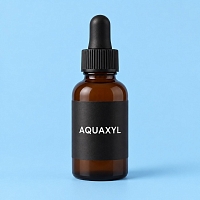
Allantoin finds use in after shave products, hand and foot lotions, sun care after products, and lip balms. It also appears in baby care items and toothpastes. In pharmaceutical style creams it supports regeneration of the upper skin layers after minor irritation. Formulators in household care add it to protective hand products for frequent water contact. One common pairing is with urea in creams for rough skin areas, which can be found in the parent catalog of actives. Another option is combining it with Aquaxyl for improved moisture binding in emulsions.
How to Introduce into Products
Dissolve allantoin in the water phase at 60 to 70 degrees Celsius before cooling the batch below 40 degrees. Keep the final concentration between 0.2 and 2 percent and do not exceed the upper limit. The crystals integrate best when pre dissolved in a small amount of warm water. This step ensures even distribution without affecting emulsion stability.
Compatibility and Technological Features
The ingredient works well alongside other hydrating and soothing materials such as urea and Sepicalm VG. It can also be paired with Isopentyldiol to refine texture. In the calming and anti blemish section you will find additional options that complement allantoin in sensitive skin formulas. Always test small batches to confirm compatibility with the chosen emulsifier and preservative system.
Example of Use or Recipe
A simple soothing hand balm can be prepared as follows. Distilled water 68 g, shea butter 8 g, plant emulsifier 5 g, allantoin 0.4 g, urea 2 g, panthenol 2 g, glycerin 3 g, preservative 1 g, lavender essential oil 3 drops. Heat the water phase containing glycerin, urea and panthenol to 70 degrees. Melt shea butter with the emulsifier to the same temperature in a separate vessel. Combine the phases and stir until a uniform emulsion forms, then cool to 40 degrees. Add allantoin previously dissolved in a little warm water, followed by the preservative and essential oil. Stir until homogeneous and transfer to clean containers. Larger packs of the same ingredient are available as Allantoin 40 g for scaled production.
Storage Recommendations
Keep the product in a dark cool place inside a tightly closed container. Protect from direct light and moisture. Under these conditions the material retains its properties until the stated expiry date of 12.2028.
FAQ
At what temperature does allantoin dissolve best?
It dissolves easily in warm water between 60 and 70 degrees Celsius, after which the mixture is cooled below 40 degrees before further additions.
Can allantoin be used above 2 percent?
Formulation guidelines recommend staying within 0.2 to 2 percent to avoid exceeding the advised dosage range.
Which pack size suits first time testing?
The 20 gram container is convenient for trial batches and small studio recipes before moving to larger volumes.
Does allantoin require special handling in emulsions?
Pre dissolve the crystals in a portion of warm water and add during the cooling phase to ensure uniform dispersion.