Getting the Right Viscosity for Alcohol-Based Sanitizing Gels
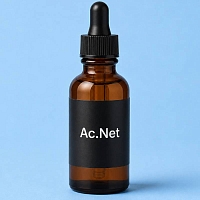
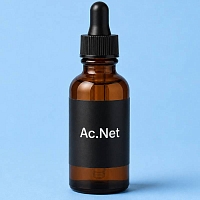
Formulating an effective hand sanitizing gel demands a thickener specifically suited to high-alcohol environments, since standard gelling agents often fail to perform in systems containing significant amounts of ethanol or isopropyl alcohol. Ac.Net 1 L was developed precisely for this challenge — a specialized polymeric thickener that remains stable in alcohol-heavy formulations and produces a clear, cohesive gel even at ethanol concentrations of 60-70 percent. This product belongs to the Gelling Agents and Thickeners category, which brings together various polymers used to achieve different gel textures and consistencies across formulations.
The primary use of Ac.Net lies in manufacturing hand sanitizing gels, surface disinfectants, and purifying formulations for public facilities, food processing plants, and household applications. Global demand for such products remains consistently strong, driven by continued use in offices, transportation, retail spaces, and production facilities worldwide. Beyond sanitizers, this thickener is also used in household chemical products such as alcohol-based glass and hard-surface cleaners, and occasionally in cosmeceutical formulations like toning lotions with purifying properties.
This thickener belongs to the broader selection of cosmetic actives offered for manufacturers. Larger production needs are covered in wholesale cosmetic peptides and similar raw materials. The same ingredient is also available as Ac.Net 5 ml for smaller trials.
Working with Ac.Net requires no specialized equipment. The polymer is added to a cold or slightly warmed water-alcohol phase under continuous stirring until fully dissolved, and the gel thickens within minutes without needing an alkaline neutralization step, which simplifies production compared to traditional carbomer-based systems. Typical dosage ranges from 1 to 3 percent of the total formulation weight, with the exact amount depending on desired viscosity and the alcohol content of the recipe. Excessive mechanical agitation after thickening should be avoided, as it can break down the gel structure and reduce final viscosity.
Ac.Net pairs well with other gelling agents, allowing formulators to blend textures for specific viscosity targets. For lower-alcohol aqueous phases, Carbopol Ultrez-21 is a useful complementary thickener, while lighter, alcohol-free clear gels are often achieved with Sucraclear HC-31. For formulations requiring anionic gelling behavior, Anion-gel can serve as an additional texture-adjusting component.
The 1-liter packaging suits small-batch and studio-scale production, making it practical for testing sanitizer and household cleaner formulations before scaling up, while also fitting the needs of smaller cosmetic and chemical manufacturers who value consistent raw material supply without ordering excessive volumes. Store the product in a tightly sealed container, in a dry area at room temperature, away from direct sunlight and freezing conditions, to preserve its thickening performance throughout the shelf life.
Quick-Drying Hand Sanitizing Gel
Ethanol 96% — 720 ml
Ac.Net — 22 g
Purified water — 240 ml
Glycerin — 12 ml
Aloe vera extract — 6 ml
Combine
the ethanol and purified water in a clean mixing vessel, then slowly sprinkle
in the Ac.Net while stirring continuously until the polymer fully dissolves and
the mixture begins to thicken. Add glycerin to soften the skin and aloe vera
extract for a soothing effect, mix thoroughly until smooth and free of lumps,
then transfer the finished gel into pump-dispenser bottles for daily use.
FAQ
What is the form of Ac.Net 1 L?
It is supplied as a liquid that appears transparent and opalescent with a neutral smell.
In what phase is Ac.Net 1 L used?
It is added to a cold or slightly warmed water-alcohol phase under continuous stirring.
What is the recommended input percentage?
The recommended input percentage is from 1 to 3% depending on desired viscosity and alcohol content.
How should Ac.Net 1 L be stored?
Store the product in a tightly sealed container in a dry area at room temperature away from direct sunlight and freezing conditions.