What makes allantoin a staple ingredient in dermatological and personal care manufacturing
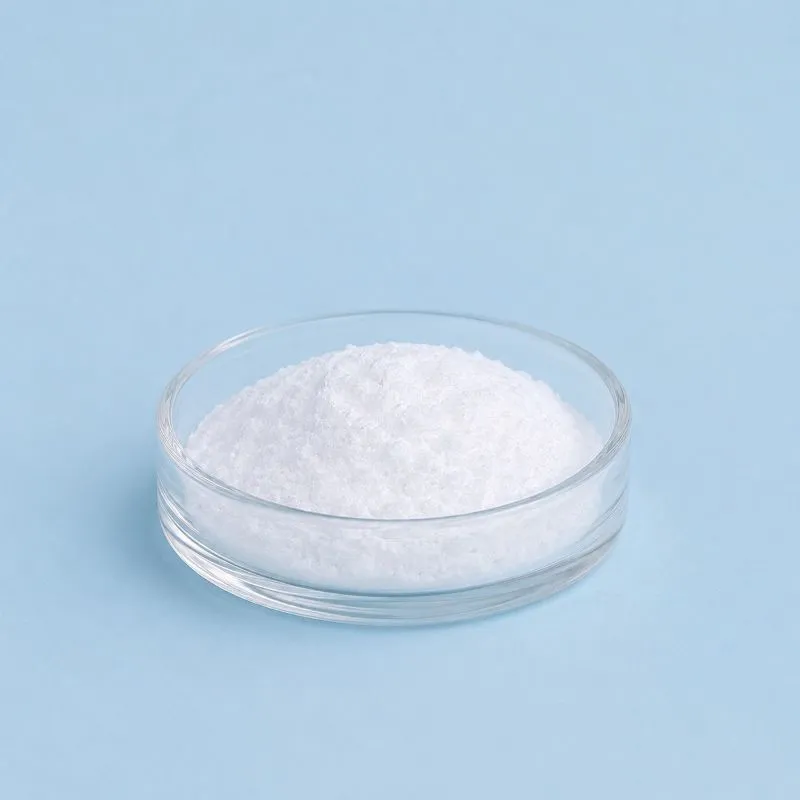
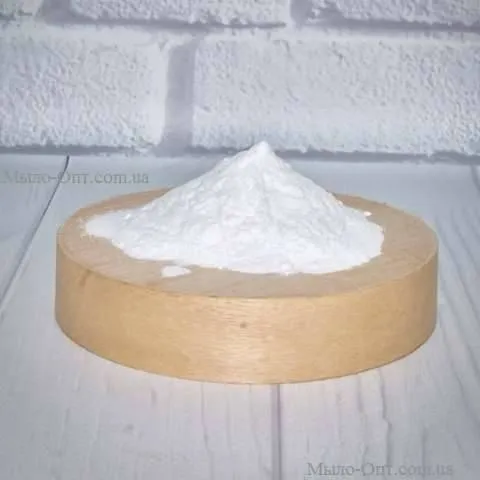
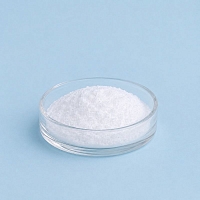
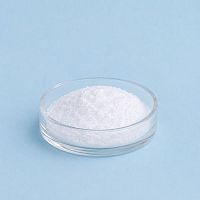
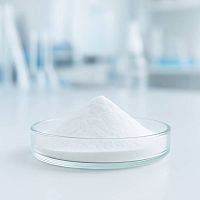
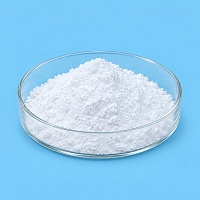
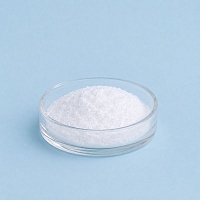
Allantoin is one of the most widely used soothing agents in the global cosmetic and pharmaceutical industries, valued for its ability to calm irritated skin and support surface renewal of the epidermis. Originally isolated from comfrey root, it is now produced synthetically on an industrial scale, which guarantees consistent quality for formulations of any batch size. This raw material belongs to the Cosmetic Raw Materials section, where manufacturers source active compounds for creams, emulsions, balms and other finished forms.
The main applications of allantoin span dermatological skincare - creams for sensitive and problem skin, after-shave and after-waxing products, baby care lines, lip balms, toothpaste formulas, as well as veterinary ointments and pharmaceutical preparations. It is also a common choice in industrial production of hand and foot creams, sun care emulsions and products designed to calm reactive skin. In practice it is often paired with Zinc Oxide Pharma Netherlands 50 g to boost the protective and mattifying effect in blemish-control formulas. For antioxidant-focused recipes, formulators combine allantoin with Coenzyme Q10 Powder 2 g, creating a cream with both calming and anti-aging benefits. After exfoliating steps, such as those using Cellulose Coconut Scrub 30 g, skin becomes especially receptive to soothing ingredients, and allantoin helps reduce the minor redness that can follow physical exfoliation.
Recommended usage rates range from 0.1 to 2 percent of the total formula weight, with the higher end reserved for intensive repair creams. The ingredient is typically added during the water phase at temperatures up to 70 degrees Celsius, though many formulators prefer dissolving it in warm water around 40 to 50 degrees to protect other heat-sensitive components. It dissolves readily in aqueous solutions under mild heating and remains stable across a broad pH range, making it easy to combine with both acidic and mildly alkaline systems. Store the raw material in a cool, dry place, in a tightly sealed container, away from direct sunlight and moisture.
The 50 gram package size is well suited for home-scale cosmetic making and small trial batches, providing enough material for dozens of test formulations while a recipe is being refined before moving to larger production runs.
Calming hand repair cream
Distilled water 55 ml
Allantoin 1 g
Glycerin 6 ml
Shea butter 10 g
Emulsifying wax 7 g
Sweet almond oil 8 ml
Preservative 1 ml
Melt the emulsifying wax together with shea butter and almond oil over a water bath until fully liquid. Heat the water separately to about 45 degrees, dissolve the allantoin and glycerin in it, then slowly pour the warm water phase into the oil phase while stirring continuously until a smooth emulsion forms. Cool the mixture down to around 35 degrees, blend in the preservative, and transfer the finished cream into a clean, sterilized jar.