Fast worldwide delivery
Product catalog
Master classes, recipes, tips
AMIGEL rheology guide: Sclerotium Gum in gels emulsions and suspensions
A comprehensive technical formulation guide dedicated to managing rheology in cosmetics using the natural polysaccharide AMIGEL (Sclerotium Gum). This article explores the physical mechanisms of polymer hydration and network formation for structuring clear gels, light emulsions, and particle-suspending fluids. It covers pre-dispersion in polyols, electrolyte stability, shear rate handling, incompatibility limits, thermal limits, and precise pH controls. Features three complete DIY recipes with step-by-step compounding instructions and cold storage standards.
Natpure Film AP: natural film-forming technology for skin color cosmetics and hair
A comprehensive technical formulation guide dedicated to utilizing the bio-based film former Natpure Film AP (derived from sugar cane) in color cosmetics and hair care. This article breaks down the physical mechanics of flexible film creation, moisture resistance, and pigment adhesion enhancement. It covers aqueous dissolution protocols, compatibility with natural polymers and gums, thermal boundaries, and precise pH controls. Features three complete DIY recipes with step-by-step compounding instructions and storage standards.
ViableCare LipoCare 8: integrating a liposomal ceramide complex into barrier-care formulas
A comprehensive technical formulation guide to designing skin barrier restoration creams and liposomal fluids using ViableCare LipoCare 8. This article breaks down the physiological mechanism of ceramide integration into stratum corneum lipids to stop transepidermal water loss. It details exact processing protocols to protect liposomal structures, low-shear cooling phase entry below thirty degrees Celsius, emulsifier compatibility, and pH boundaries. Features three complete DIY recipes with step-by-step compounding instructions and cold storage standards.
Product Description

Zinc Glycinate amino acid chelated zinc source for advanced liquid systems and formulation concentrates

Zinc Glycinate is a zinc amino acid complex engineered for integration into modern aqueous and hybrid formulation systems. By combining zinc with glycine, the ingredient gains improved formulation compatibility and disperses efficiently in multi-component products designed for nutritional, cosmetic and technical applications. The material is widely utilized in nutraceutical manufacturing, performance nutrition products, mineral-enriched beverage systems, cosmetic concentrates and professional water-based formulations.

Within formulation development, Zinc Glycinate is selected for systems that require stable incorporation of mineral components without compromising transparency or structural balance. Its chelated profile allows it to function effectively alongside amino acid blends, humectants, hydration-support ingredients and polymer-based systems. Compared with less adaptable mineral forms, this ingredient performs more consistently in concentrated liquid and gel formulations.

In nutraceutical production, Zinc Glycinate is incorporated into powdered mineral systems, liquid concentrates, hydration-support formulas and capsule blends. In food-related applications, it may be included in fortified nutritional products and specialty mineral compositions. In sports nutrition manufacturing, it is integrated into electrolyte-support and amino acid formulations. In cosmetic systems, the ingredient appears in transparent serums, scalp-focused solutions, aqueous gels and professional treatment concentrates. In technical and laboratory formulation environments, it is used in water-compatible mineral systems requiring controlled dispersion and formulation stability.

Functionally, Zinc Glycinate acts as a chelated mineral delivery component within water-phase systems. It supports uniform distribution of zinc throughout the formulation while maintaining compatibility with hydration agents and water-soluble actives. Its amino acid-associated structure improves formulation flexibility and assists in preserving consistency in multi-ingredient solutions.

During manufacturing, the ingredient is dispersed into the aqueous phase under continuous agitation until fully integrated. It works efficiently with glycerin, niacinamide, amino acid systems, beta glucan, panthenol and hyaluronic acid solutions. In formulations involving elevated temperatures, addition during the cooling stage is preferred for optimized system stability.

Recommended inclusion level depends on formulation type, target mineral concentration and processing design. Final usage is determined by the formulation developer according to the desired product profile.

Example formulation: Mineral hydration concentrate with amino acid support
Purified water 70 ml
Zinc Glycinate 3 g
Glycerin 5 g
Amino acid complex 5 g
Panthenol 3 g
Hyaluronic acid 1% solution 10 ml
Beta glucan 2 g
Preservative 1 g
pH adjuster 1 g

Process: combine glycerin and amino acid complex with purified water until a clear liquid base is obtained. Add Zinc Glycinate gradually under moderate mixing until fully dispersed. Incorporate panthenol, beta glucan and hyaluronic acid solution sequentially. Adjust pH and introduce preservative during the final processing stage. Continue mixing until the concentrate becomes completely uniform.

Example formulation: Clear mineral gel with niacinamide system
Purified water 66 ml
Zinc Glycinate 3 g
Xanthan gum 1 g
Glycerin 5 g
Niacinamide 4 g
Panthenol 3 g
Allantoin 2 g
Preservative 1 g
pH adjuster 5 g

Process: pre-disperse xanthan gum into glycerin before introducing into water to create a smooth gel structure. Add niacinamide and Zinc Glycinate under continuous agitation until the formulation stabilizes. Introduce panthenol and allantoin during the secondary mixing stage. Adjust pH, add preservative and continue homogenization until a transparent and stable gel system forms.

Zinc Glycinate is applied in nutritional, cosmetic and formulation-development sectors as a chelated zinc ingredient designed for stable incorporation into advanced aqueous concentrates, gel systems and mineral-rich multi-component products.

Characteristics:
INCI Zinc Glycinate
pH в 1% растворе около 6.5–8.0 (нейтральный или слабощелочной)
Other
Application Skin care (cosmetics) Hair and scalp care Deodorants, hygiene products Nutraceuticals, dietary supplements Medical/pharmaceutical products (with appropriate registration) Products for problematic, oily, and inflamed skin Anti-acne and sebum-regulating lines
Att brand India
Attention All information presented on the site is for reference only, it is recommended to test for an individual reaction before use.
Color product white
Dosage In cosmetics from 0.1% to 1% in medical cosmetics up to 2% In dietary supplements 10–50 mg zinc per daily dose usually 75–150 mg zinc glycinate (depending on the percentage of the element)
Features Mandatory testing for sensitivity and allergic reaction, preliminary application to the bend of the elbow
Name Zinc Glycinate 100 g
Other names Zinc glycinate Zinc chelate with glycine Zinc bisglycinate Zinc Amino Acid Chelate
Packaging container for transportation
Packing 100 g
Properties Bioavailable zinc antioxidant anti-inflammatory immunomodulatory antibacterial improves overall skin condition regulates sebum production promotes healing maintains healthy hair and nails participates in collagen synthesis non-irritating suitable for problematic and sensitive skin
Purpose In cosmetics in formulas for oily and problematic skin in anti-acne products in masks, toners, and serums in scalp care in antiseptic gels and pastes in cosmetics for teenagers and sensitive skin In nutraceuticals/dietary supplements in immune support supplements in complexes for skin, hair, and nails in formulations for men and women with zinc deficiency in anti-stress and regenerative complexes in vitamins and minerals for pregnant women and children In pharmaceuticals and the food industry as a source of zinc in fortified products in restorative mixtures in metabolic support products
Solubility in the water
Storage conditions in a cool, dry, dark place
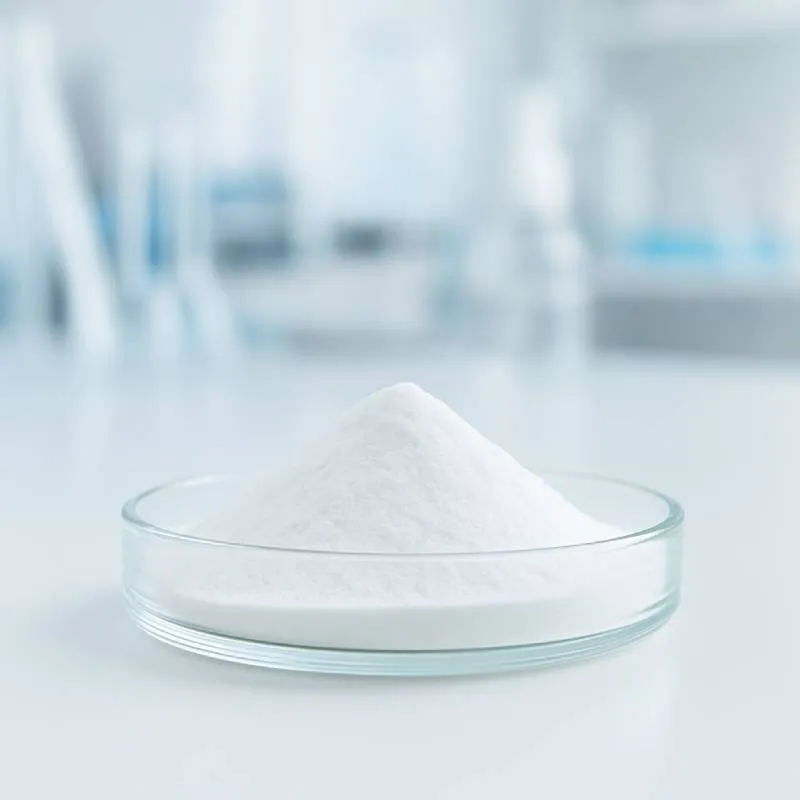
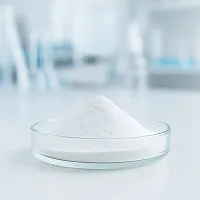
View crystalline or finely dispersed powder
Valid until 08.2027
Add a review
Your score:
Send feedback
Files
COA_Zinc_Glycinate.pdf Certificate , 104.56 Kb
Error

Close window
Product added to cart
Total:
Request the price of the product
Fill in the details for the price request
Request a price Request a price