-
 Absolutes
-
 Active Complexes
-
 Actives & Peptides
-
 Amino Acids & Proteins
-
 Food Flavors
-
 Ayurvedic Ingredients & Herbs
-
 Vitamins & Coenzymes
-
 Chocolate Making Supplies
-
 Thickeners & Gelling Agents
-
 Hydrosols & Floral Waters
-
 Hydrolyzed Proteins
-
 Fragrance Ingredients
-
 Nutraceutical Ingredients
-
 Acids, Salts, Alcohols & Alkalis
-
 Preservatives & Antioxidants
-
 Cosmetic Ingredients
-
 Colorants, Micas & Glitters
-
 Masks, Scrubs & Botanicals
-
 Oils & Butters
-
 Candle Making Supplies
-
 Melt and Pour Soap Bases
-
 Cream, Lotion & Hair Care Bases
-
 Fragrance Oils & Industrial Aromatics
-
 Cleansing Agents & Surfactants
-
 Peeling Actives & Acids
-
 Cosmetic Powders
-
 Solvents & Humectants
-
 Silicones & Conditioning Agents
-
 Bottles, Jars & Vials
-
 Silicone & Plastic Molds, Tools
-
 Botanical Extracts
-
 Cosmetic Emollients
-
 Emulsifiers
-
 Essential Oils


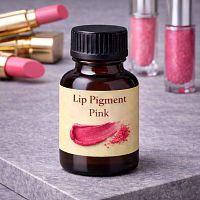
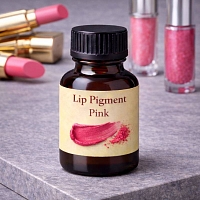
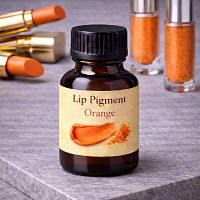
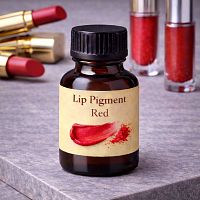
Lipstick Colorants
 Add to cart




 Subscribe


Pigment Shades and Textures for Lip Products
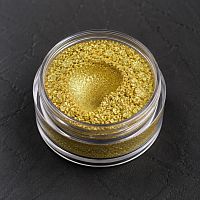
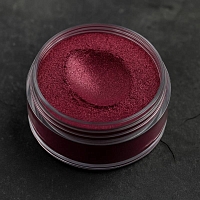
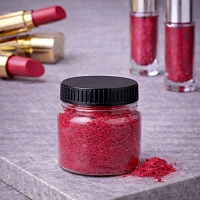
This section brings together colorants formulated specifically for lip products, including lipsticks, lip balms, lip tints, and lip glosses. The range covers finely milled pigments, pearlescent shades, and blendable color concentrates designed to disperse evenly in wax and oil-based lip bases while staying stable on skin.
These colorants are used at the formulation stage of lip care and decorative lip products, where color needs to hold up against body heat, saliva, and repeated application throughout the day. Many of the same pigment principles apply across broader color cosmetics, so formulators working with these shades often also draw on <a href=\"https://xn----utbcjbgv0e.com.ua/en/krasiteli-perlamutri-glitteri/pigmenty-i-krasiteli/krasiteli/kras... water-soluble dyes</a> for water-phase tinting or <a href=\"https://xn----utbcjbgv0e.com.ua/en/krasiteli-perlamutri-glitteri/pigmenty-i-krasiteli/krasiteli/kras... soluble liquid dyes</a> when adjusting oil-phase tones in the same batch.
Formulators typically combine two or three pigments to achieve a target shade, adjusting concentration to move between sheer tints and full-coverage finishes within the same base recipe.
Shade Families and Finish Types
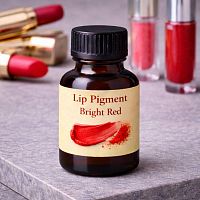
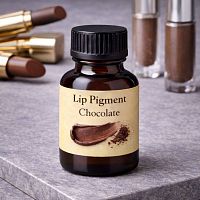
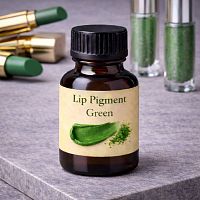
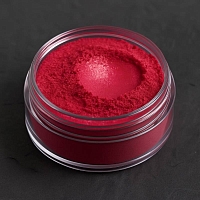
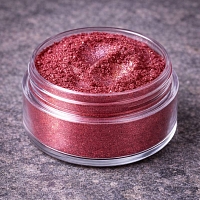
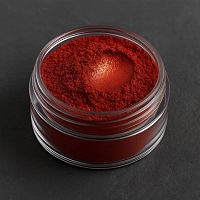
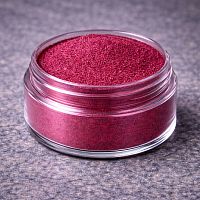
Within this category, colorants fall into a few distinct groups. Finely milled powder pigments, such as Red Lipstick Pigment 2 g or Bright Red Lipstick Pigment 2 g, deliver dense, matte-leaning coverage and are easy to layer for depth. Warmer, food-inspired tones like Chocolate Lipstick Pigment 2 g sit closer to a nude-brown palette and work well as a base tone under brighter overlays.
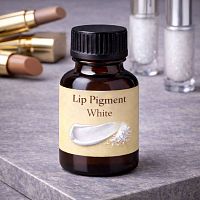
Soft neutrals and pastels, including White Lipstick Pigment 2 g and Pink Lipstick Pigment 2 g, are mainly used to lighten a shade or shift its undertone rather than stand alone at full strength. For larger production runs, the same pink tone is also offered as Pink Lipstick Pigment 1 kg, giving manufacturers a consistent shade across batch sizes without re-matching color each time. A more playful option, Raspberry Fantasy lipstick pigment powder 5 g, leans into a saturated berry tone popular in tinted balms and glosses.
Choosing a Shade and Building a Formula
Selection usually starts with the finish: powder pigments suit opaque, long-wearing sticks, while formulators chasing sheer washes of color often blend in smaller amounts alongside oil-phase colorants. For water-based tints or layered lip products that combine a colored base with a clear top coat, many recipes also pull from Pigment Liquid ULTRA Dyes, which disperse readily in aqueous phases and pair with the powder shades above to fine-tune undertone and intensity.
Dispersion quality matters as much as the raw shade. Pigments need to be pre-wetted or ground into a small portion of the oil phase before full incorporation, which prevents grittiness and streaking in the finished stick or balm. Combining a strong base pigment with white or pink in small increments is a common way to soften intensity without starting a new batch from scratch, and this same logic extends beyond lip products into any wax or oil-based color cosmetic where a stable, even tone is required.
Origin and Storage
Pigments in this range are sourced from manufacturers in France and the United States, reflecting established cosmetic-grade production standards for particle size and dispersibility. They should be kept in tightly sealed containers, away from direct sunlight and moisture, since humidity can cause powder pigments to clump and complicate accurate dosing during formulation.
FAQ
What pigments work best for lip products that need to stay stable throughout the day?
Finely milled powder pigments and pearlescent shades disperse evenly in wax and oil-based lip formulas, giving better resistance to body heat and saliva. Blendable concentrates let formulators fine-tune coverage, so combining two or three shades usually gives more durable, consistent color than relying on a single pigment alone.
Can lip pigments be mixed with other colorants to create custom shades?
Yes, most formulators combine two or three lip pigments to reach a target shade, adjusting concentration to shift between sheer tints and opaque finishes. For batches that also need water-phase or oil-phase tinting, liquid dyes formulated for those bases can be layered in alongside the powder pigments.
How should lip-safe pigments be stored to keep their color consistent?
Keep pigments in sealed, light-protected containers away from heat and humidity, since moisture exposure can cause clumping and shift the shade over time. Consistent storage conditions also help maintain even dispersion when the pigment is later blended into a wax or oil base.
What is the difference between pearlescent and standard powder pigments for lip formulas?
Pearlescent pigments add a reflective, shimmering finish and are often used to soften or highlight a base shade, while standard finely milled powder pigments deliver flat, full-coverage color. Formulators often layer both types to control finish, moving between matte, satin, and shimmer results within the same recipe.
Recommendations
When selecting a pigment for a lip formulation, match the particle fineness and finish type (matte, pearlescent, or shimmer) to your target texture, and test dispersion in a small batch of your actual wax or oil base before scaling up production. Color intensity varies between milled batches, so requesting a current sample is worthwhile for consistent results. Reach out by email to check available shades and current stock for your production run.



