-
 Absolutes
-
 Active Complexes
-
 Actives & Peptides
-
 Amino Acids & Proteins
-
 Food Flavors
-
 Ayurvedic Ingredients & Herbs
-
 Vitamins & Coenzymes
-
 Chocolate Making Supplies
-
 Thickeners & Gelling Agents
-
 Hydrosols & Floral Waters
-
 Hydrolyzed Proteins
-
 Fragrance Ingredients
-
 Nutraceutical Ingredients
-
 Acids, Salts, Alcohols & Alkalis
-
 Preservatives & Antioxidants
-
 Cosmetic Ingredients
-
 Colorants, Micas & Glitters
-
 Masks, Scrubs & Botanicals
-
 Oils & Butters
-
 Candle Making Supplies
-
 Melt and Pour Soap Bases
-
 Cream, Lotion & Hair Care Bases
-
 Fragrance Oils & Industrial Aromatics
-
 Cleansing Agents & Surfactants
-
 Peeling Actives & Acids
-
 Cosmetic Powders
-
 Solvents & Humectants
-
 Silicones & Conditioning Agents
-
 Bottles, Jars & Vials
-
 Silicone & Plastic Molds, Tools
-
 Botanical Extracts
-
 Cosmetic Emollients
-
 Emulsifiers
-
 Essential Oils
Gel Food Coloring

 Add to cart


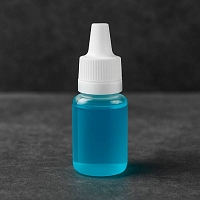


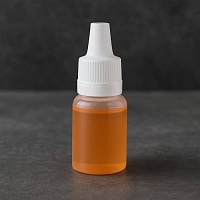
Concentrated gel pigments for tinting creams, bath bombs and craft projects
Gel food coloring is a thick, highly concentrated colorant designed to deliver strong, even color with just a few drops. Unlike powders, it disperses instantly without clumping, and unlike thin liquid dyes, it does not thin out the texture of the base it is added to. This section includes a range of shades suited for tinting creams, lotions, bath products, and decorative craft compositions.
Because gel colorants are concentrated and water based, they work well in emulsions, whipped body butters, and other water phase formulations where precise, controllable tinting is needed. Formulators often choose gel over powder pigments when they want to avoid streaking or uneven specks in the finished product. For projects requiring full transparency and easy blending into liquid bases, Liquid Water-Soluble Dyes offer a thinner, more diluted alternative worth comparing. For production volumes, it is easier to order from wholesale gel food coloring.
Gel colorants also suit small batch craft work, including resin art, decorative wax pieces, and layered cosmetic effects where color needs to stay contained rather than migrate through the whole mixture. For oil based systems where a water soluble gel would not disperse correctly, Oil soluble liquid dyes are the more compatible choice.
Shade ranges and consistency differences
The gel format itself stays consistent across shades, but individual colors can behave slightly differently depending on the pigment load used to achieve that hue. Bright, saturated tones such as the Gel Food Color Blue 10 ml or the Gel Purple Food Color, 10 ml typically need fewer drops to reach full intensity than softer pastel shades.
Warmer tones like the Yellow Gel Color 10 ml and the Lime Gel Food Color, 10 ml are often layered together to build custom greenish or golden undertones in a base, while cooler shades such as the Gel Color Strawberry, 10 ml or the Pink Gel Color, 10 ml are usually chosen when a formulator wants a clean, single-note result without mixing.
Choosing a shade and pairing it with a base
The main criterion for choosing a gel colorant is the water content of the base it will go into. Since the gel itself is water based, it blends most predictably into emulsions, gels, and other formulations that already carry a water phase, rather than into pure oils or waxes.
Dosage control matters more than shade name alone. Starting with a small amount and building up gradually helps avoid over saturating a batch, especially in lighter bases where color intensity develops quickly. For those testing several shades at once before committing to a single tone, the Small set of Gel food colors (5 colors, 10 ml each) gives a compact way to compare undertones side by side in the same formulation.
When a project calls for a fully transparent, non gel format instead, the Pigment Liquid ULTRA Dyes section covers a more fluid, high strength alternative for formulators who need a different flow behavior in the mix.
Origin, packaging and storage
Colorants in this section come from suppliers based in Germany and Sweden, reflecting sourcing standards common to established European color manufacturing. Each shade is supplied in a 10 ml format, sized for easy dosing in small to mid size production batches without excess waste.
Gel colorants keep their consistency and color strength best when stored tightly sealed, away from direct sunlight and heat, which can gradually alter both texture and shade over time. Kept under these conditions, an unopened container retains its performance well across repeated use in ongoing production runs.
Frequently asked questions
What is the difference between gel food coloring and liquid dye for cosmetics?
Gel colorants are concentrated and thick, adding strong color without diluting the base texture. Liquid dyes are thinner and blend faster into fully liquid systems, but may require larger quantities to reach the same depth of shade in creams or lotions.
Can gel pigments be mixed together to create custom shades?
Yes, gel colorants blend easily with one another since they share the same base consistency. Mixing small amounts first helps predict the final shade before adding gel pigment to a full batch of cream, lotion, or craft mixture.
How much gel colorant should be added to a cream or lotion base?
Start with a small amount, often just a few drops per batch, and increase gradually while mixing thoroughly. Because these pigments are concentrated, adding too much at once can make the shade darker than intended and harder to correct.
How should gel colorants be stored to keep their consistency?
Keep containers tightly closed, away from direct sunlight and heat, to prevent the gel from drying out or separating. Stored properly at room temperature, the texture and color strength remain stable for extended use across multiple batches.
Recommendations
When choosing a gel colorant, match the shade intensity to your batch size and test on a small sample before committing to a full production run. Check that the consistency suits your base, since water phase formulations respond differently than oil based or wax systems. For custom shades, order a few complementary tones together to allow blending flexibility. Reach out by email to confirm available shades and place your order.



