-
 Absolutes
-
 Active Complexes
-
 Actives & Peptides
-
 Amino Acids & Proteins
-
 Food Flavors
-
 Ayurvedic Ingredients & Herbs
-
 Vitamins & Coenzymes
-
 Chocolate Making Supplies
-
 Thickeners & Gelling Agents
-
 Hydrosols & Floral Waters
-
 Hydrolyzed Proteins
-
 Fragrance Ingredients
-
 Nutraceutical Ingredients
-
 Acids, Salts, Alcohols & Alkalis
-
 Preservatives & Antioxidants
-
 Cosmetic Ingredients
-
 Colorants, Micas & Glitters
-
 Masks, Scrubs & Botanicals
-
 Oils & Butters
-
 Candle Making Supplies
-
 Melt and Pour Soap Bases
-
 Cream, Lotion & Hair Care Bases
-
 Fragrance Oils & Industrial Aromatics
-
 Cleansing Agents & Surfactants
-
 Peeling Actives & Acids
-
 Cosmetic Powders
-
 Solvents & Humectants
-
 Silicones & Conditioning Agents
-
 Bottles, Jars & Vials
-
 Silicone & Plastic Molds, Tools
-
 Botanical Extracts
-
 Cosmetic Emollients
-
 Emulsifiers
-
 Essential Oils


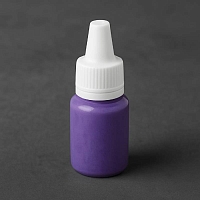
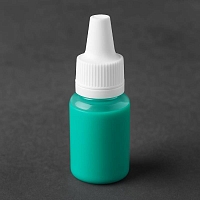
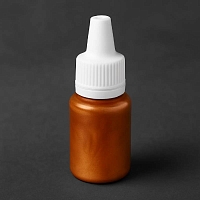
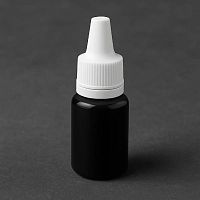
Pigment Liquid ULTRA Dyes
 Add to cart
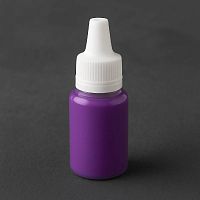
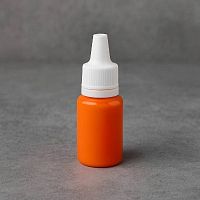
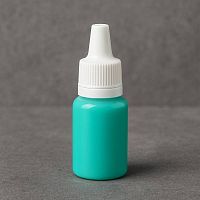
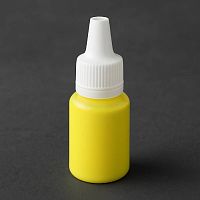
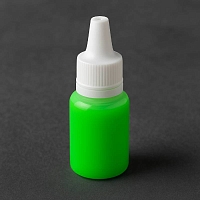
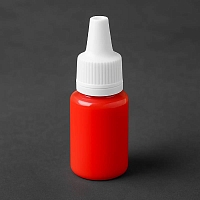
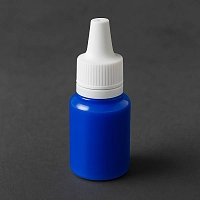
Concentrated color additives for professional formulations
Pigment Liquid ULTRA Dyes are highly concentrated liquid colorants designed for precise, repeatable coloring of cosmetic bases. Formulators use them to introduce saturated shades into a wide range of finished products without altering texture or stability. The liquid format allows quick, even dispersion, which reduces mixing time compared to powder pigments.
These dyes work across creams, lotions, gels, shampoos, and other water-based or emulsion systems where a strong, uniform tone is needed. Because they are pre-dispersed, they blend smoothly into both small test batches and larger production runs, which matters for brands scaling from prototype to full output. For formulas that need a different solubility profile, Liquid Water-Soluble Dyes or oil soluble liquid dyes offer alternative dispersion behavior depending on the base composition.
Formats and How They Differ
Liquid ULTRA Dyes are not a single uniform product but a family of concentrates that vary in intensity, hue range, and carrier composition. Some are formulated for fast dispersion in aqueous phases, while others carry a slightly different balance suited to emulsified systems. This variation matters because a shade that performs well in a thin lotion may behave differently in a thicker cream base.
It helps to compare liquid concentrates with other formats available for similar tasks. Oil Based Food Coloring Powder and Dry Food Colorants require pre-dissolving and offer different handling than a ready liquid dye, which can be dosed directly. For formulators who prefer a thicker, more controllable application, Paste colorants sit between liquid and powder in terms of viscosity and dosing precision.
Choosing the Right Dye and Pairing It in a Formula
Selection usually starts with the base type. Water-heavy formulas such as toners, shampoos, and light gels tend to favor dyes with strong compatibility in aqueous phases, while richer emulsions may need a colorant that disperses evenly without separating during stabilization. Dosage precision is another factor: because these dyes are concentrated, small adjustments in volume produce noticeable shifts in tone, which makes them useful for matching color specifications across production batches.
In practice, formulators often combine liquid dyes with other colorant types to fine-tune a shade or to create layered visual effects. Gel Food Coloring can be introduced for a softer gradient effect, while Blended colorants offer pre-mixed tones for formulators who want to skip manual shade matching. Products aimed specifically at colored cosmetics, such as Lipstick Colorants, illustrate how the same underlying pigment chemistry adapts to a very different texture and application method than a lotion or shampoo base.
Storage and Selecting a Supplier
Liquid concentrates should be stored in tightly sealed containers, away from direct light and heat, since prolonged exposure can affect color consistency over time. Batches should be checked for uniform color before large-scale use, particularly when a formulation depends on matching a previous production run exactly.
For a broader view of how liquid dyes relate to other coloring options carried by the supplier, the full Dyes for Soap, Cosmetics, Food & Confectionery range offers a reference point for comparing formats side by side before committing to a specific concentrate for a new formulation.
FAQ
What is the difference between Pigment Liquid ULTRA Dyes and standard liquid colorants?
ULTRA Dyes carry a higher pigment concentration, so smaller dosages achieve the same depth of color. This reduces the amount of liquid added to a formula, which helps keep viscosity and stability closer to the original base recipe.
Which cosmetic bases work best with liquid ULTRA dyes?
They disperse well in creams, lotions, gels, and shampoo bases, especially water-based or emulsion systems. For oil-based formulas, a carrier with matching solubility should be checked first, since dispersion behavior depends on the base composition.
How should liquid dye concentrates be stored before use?
Keep containers tightly closed, away from direct sunlight and heat, at stable room temperature. Shaking before use is recommended, as some settling can occur during storage without affecting the coloring performance once mixed.
Can these dyes be combined with other colorants in one formula?
Yes, formulators often blend liquid ULTRA dyes with other water-soluble or oil-soluble colorants to fine-tune a shade. Small test batches are recommended first to confirm the combination behaves predictably at full production scale.
Recommendations
When choosing a liquid ULTRA dye, match the carrier type to your base formula and test the shade in a small batch before scaling up production. Consider how the concentration level affects dosage across your recipe range. For questions about a specific batch or formulation fit, reach out to our team by email and we will help you select the right option.



