-
 Absolutes
-
 Active Complexes
-
 Actives & Peptides
-
 Amino Acids & Proteins
-
 Food Flavors
-
 Ayurvedic Ingredients & Herbs
-
 Vitamins & Coenzymes
-
 Chocolate Making Supplies
-
 Thickeners & Gelling Agents
-
 Hydrosols & Floral Waters
-
 Hydrolyzed Proteins
-
 Fragrance Ingredients
-
 Nutraceutical Ingredients
-
 Acids, Salts, Alcohols & Alkalis
-
 Preservatives & Antioxidants
-
 Cosmetic Ingredients
-
 Colorants, Micas & Glitters
-
 Masks, Scrubs & Botanicals
-
 Oils & Butters
-
 Candle Making Supplies
-
 Melt and Pour Soap Bases
-
 Cream, Lotion & Hair Care Bases
-
 Fragrance Oils & Industrial Aromatics
-
 Cleansing Agents & Surfactants
-
 Peeling Actives & Acids
-
 Cosmetic Powders
-
 Solvents & Humectants
-
 Silicones & Conditioning Agents
-
 Bottles, Jars & Vials
-
 Silicone & Plastic Molds, Tools
-
 Botanical Extracts
-
 Cosmetic Emollients
-
 Emulsifiers
-
 Essential Oils


Paste colorants

 Subscribe


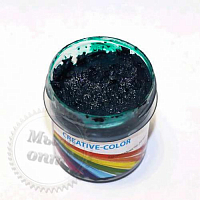


Concentrated pigment pastes for color consistency across batches
Paste colorants are concentrated pigment or dye blends pre-dispersed in a compatible carrier base, making them easier to measure and mix into a formulation than dry powders. This section offers a range of paste colorants in various shades and bases for tinting cosmetic and decorative compositions without extra grinding or wetting steps at the mixing stage.
Because the pigment is already wetted out in a carrier, paste colorants blend faster and disperse more evenly than raw powder pigments, which reduces streaking and specking in the finished product. They suit creams, lotions, balms, lip and eye color bases, bath products, and other formulations where a stable, uniform tone matters batch after batch. Formulators working across several product lines often keep a shared set of pastes so shades stay consistent regardless of whether the base is oil rich or water based, choosing between this range and options like Liquid Water-Soluble Dyes or Oil soluble liquid dyes depending on the carrier phase of the recipe.
Shade ranges and base types
Paste colorants in this range cover a broad spectrum from soft pastels to saturated, near opaque tones, and the differences between them usually come down to pigment load and the carrier base they are pre-dispersed in. Some pastes are built on an oil rich carrier that suits anhydrous and emulsion systems, while others are formulated to disperse into water based mixes without clouding or separating. This carrier choice, more than the color itself, determines which finished products a paste will work best in.
Alongside pastes, the wider colorant lineup includes options built for different phases and finishes. Pigment Liquid ULTRA Dyes offer a fluid, ready to dose format for fast color adjustment, and Gel Food Coloring provides a thicker consistency that suits piping and layered decorative work. For projects that need a dry, fat compatible option, Oil Based Food Coloring Powder disperses directly into oils, butters, and waxes without a wetting step.
Choosing a shade and building a formulation
The main criteria for picking a paste colorant are the carrier phase of the recipe, the intensity of color needed, and how the pigment will behave once diluted at scale. A small amount goes a long way, so testing a paste at low concentration first helps predict how it will read once mixed into a full batch rather than judging it straight from the container.
Paste colorants combine well with a wide range of other tinting agents when a formulator wants to layer effects, add depth, or create a marbled look. Blended colorants already combine several pigments into one ready shade, which can save time when an exact tone is needed without custom mixing. Where a formulation calls for a fully water miscible option instead of a paste, dry colorant lines such as Dry Food Colorants give more control over gradual color buildup. For lip and eye products specifically, dedicated Lipstick Colorants are formulated for adhesion and wear on skin and lips, which general purpose pastes are not always designed for.
Storage and working with pastes
Since pastes are already wetted, they should be kept tightly sealed to prevent the carrier from drying out or separating over time, and stirred before use if any settling has occurred in storage. A cool, dry storage spot away from direct light helps preserve both color strength and the consistency of the paste.
Formulators comparing this range against other pigment formats can review the full Dyes for Soap, Cosmetics, Food & Confectionery lineup to see how pastes stack up next to liquid, gel, and powder alternatives before settling on a working set for a product line.
FAQ
What is the difference between paste colorants and powder pigments
Paste colorants are pigments pre-dispersed in a carrier base, so they blend into a formulation faster and with less risk of streaking or specking than dry powders. Powders require separate wetting or grinding before use, while pastes are ready to measure and mix directly into creams, balms, or bath products.
Can paste colorants be mixed with each other to create new shades
Yes, most paste colorants within a compatible base can be blended together to build custom shades, provided the carrier types match. Testing a small batch first helps confirm the resulting tone and stability before committing to a full production run.
How much paste colorant should be added to a formulation
Usage rates depend on the desired depth of color and the base recipe, but small increments work best since these pastes are concentrated. Adding a little at a time and blending thoroughly helps avoid over saturating the batch or creating an uneven tone.
How should paste colorants be stored to keep their consistency
Keep containers tightly closed, away from direct heat and sunlight, to prevent the carrier from drying out or separating. Stirring before use is recommended if any settling occurs, which restores an even texture for accurate measuring.
Recommendations
When choosing a paste colorant, match the carrier type to your formulation base first, oil rich or water based, so the pigment disperses evenly without separating. Compare shades under consistent lighting and test a small batch before scaling up production, since undertones can shift once blended into a finished texture. If you work across several product lines, selecting pastes from the same range helps keep color consistent from batch to batch. Send us an email with your intended base and target shade, and we can help point you toward the right paste for your formulation.



