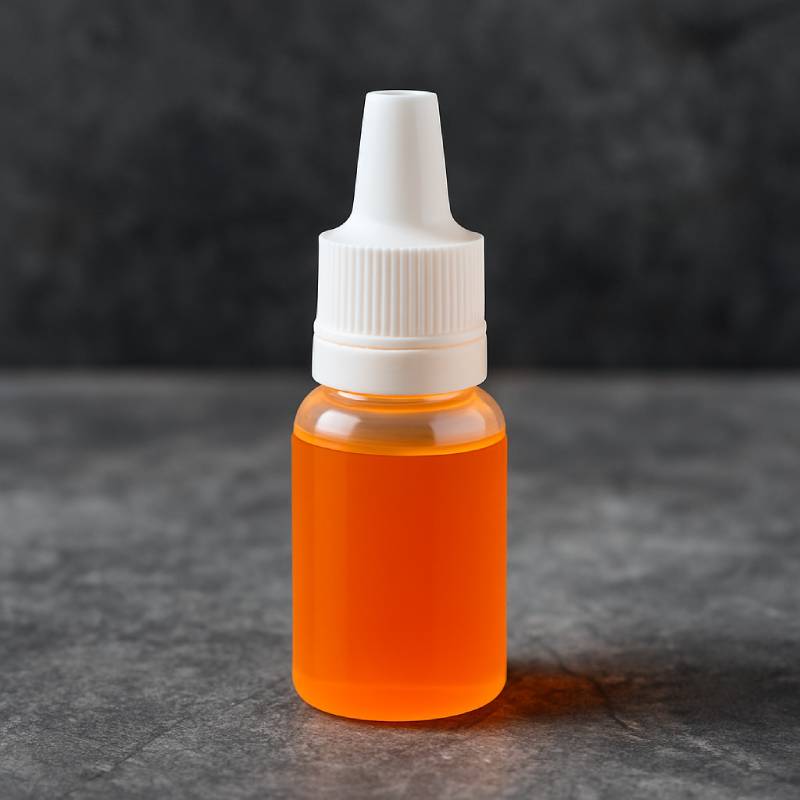
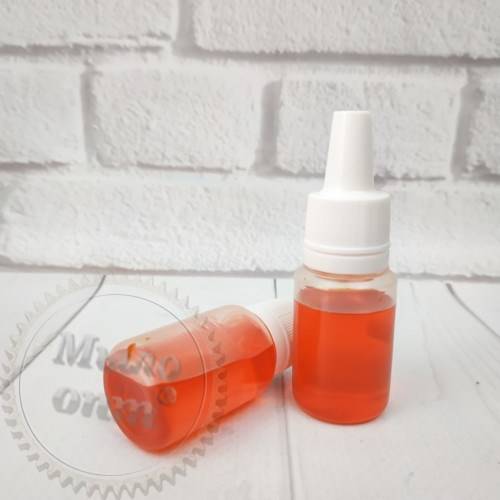
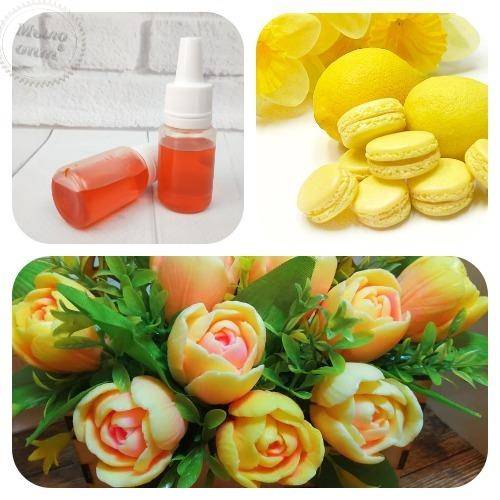
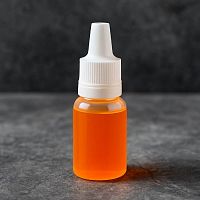
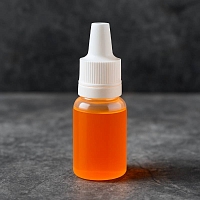
A bright sunny shade built for high-volume bakery and confectionery work
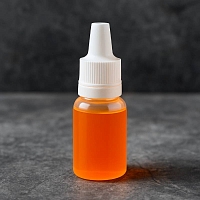
Yellow gel color in a 100 ml bottle is designed for bakeries, pastry studios and small production lines that need a steady supply of pigment without constantly reordering tiny bottles. This size fits well into cake decorating studios, commercial kitchens and confectionery workshops producing buttercream, fondant, icing and royal icing on a regular basis. This item belongs to the Gel Food Coloring range, valued across the industry for its concentrated pigment load, easy dosing and strong color payoff even at low usage rates. Browse additional shades and sizes of gel food colors in the Gel Food Coloring Wholesale section.
The primary application of yellow gel pigment lies in the food and confectionery sector: tinting buttercream, cream cheese frosting, royal icing, fondant, chocolate work, jellies, baked goods and even beverages where an even, stable color is required without altering the texture of the base. Thanks to its thick gel consistency, the colorant does not thin out cream or affect dough structure, which is particularly important when working with delicate recipes. Beyond confectionery, similar gel pigments are also used in candle making for creating layered colored wax effects, and in various craft projects where a bright, long-lasting shade is needed.
Yellow blends easily with other shades from the same line to produce intermediate tones: combining it with Green apple dye gel results in fresh lime and spring-green tones popular for seasonal cake designs. For dramatic layered ombre effects, decorators often pair yellow with Gel Purple Food Color, achieving striking gradient transitions. For tropical or ocean-inspired designs, yellow can be combined with Sea Wave Gel Color, allowing multi-tone patterns directly on cream surfaces.
Dosage depends on the desired intensity and the volume of the batch being colored: typically a few drops up to one or two grams per kilogram of product is enough to achieve a rich, saturated hue. The colorant should be introduced at the final stage of preparation, once the cream or dough has cooled to room temperature or slightly above, since excessive heat can accelerate fading of the pigment over time. Stirring thoroughly before use is recommended, as slight separation may occur during storage. The bottle should be kept tightly closed, away from direct sunlight, at room temperature, avoiding sharp temperature fluctuations that could affect the gel's consistency.
For industrial-scale use, it's worth considering compatibility with emulsifiers and stabilizers commonly used in cream formulations: gel colorants generally integrate smoothly with oil-based and sugar-based systems without causing sedimentation or shortening shelf life. To achieve even coloring across large batches, it's best to add the pigment gradually in stages, checking the shade visually after each mixing step.
Lemon cream cheese frosting for tiered cake decoration
Cream cheese 500 g
Butter 150 g
Powdered sugar 120 g
Yellow gel color 2 g
Lemon zest 5 g
Beat the butter until fluffy, gradually add room-temperature cream cheese, then mix in the powdered sugar until smooth and well combined. Add the yellow gel color in small increments at the end, mixing thoroughly after each addition until an even sunny shade is reached, fold in the lemon zest for aroma, and chill the frosting before applying it to the cake.
Frequently asked questions
How many drops of yellow gel color 100 ml go into 100 g of icing?
Start with 1-5 drops per 100 g and adjust on a test batch. It dissolves in water, aqueous phase and glycerin, and works in buttercream, fondant and chocolate without altering texture.
What is the shelf life of yellow gel color 100 ml once opened?
Keep in a dry cool place in a tightly closed container away from light. The product remains usable until 10.2028. The 100 ml pack suits confectionery workshops and decor studios with steady production volumes.
Which bases accept yellow gel color 100 ml without issues?
It is compatible with creams, glazes, fondant, jelly and dough. Add 1-5 drops per 100 g and test the shade on a small batch to achieve even color distribution.
Who benefits most from the 100 ml pack of yellow gel color?
This size is intended for bakeries and cake studios handling regular large orders. As a food colorant it delivers consistent yellow tone at low dosage rates.