Why orange flavor remains a top pick for large-scale confectionery lines
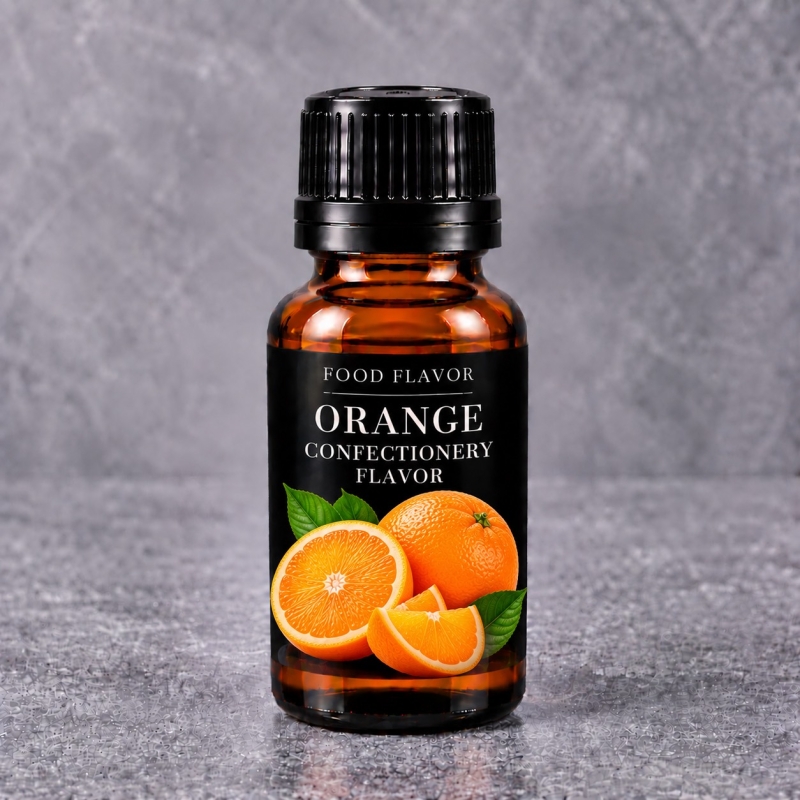
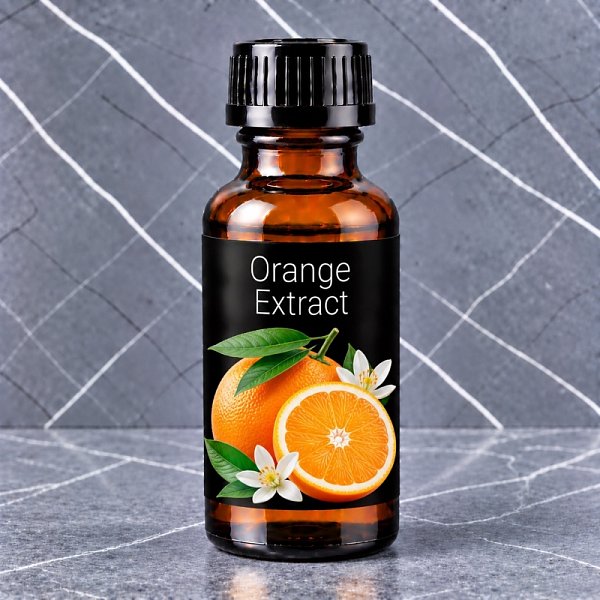
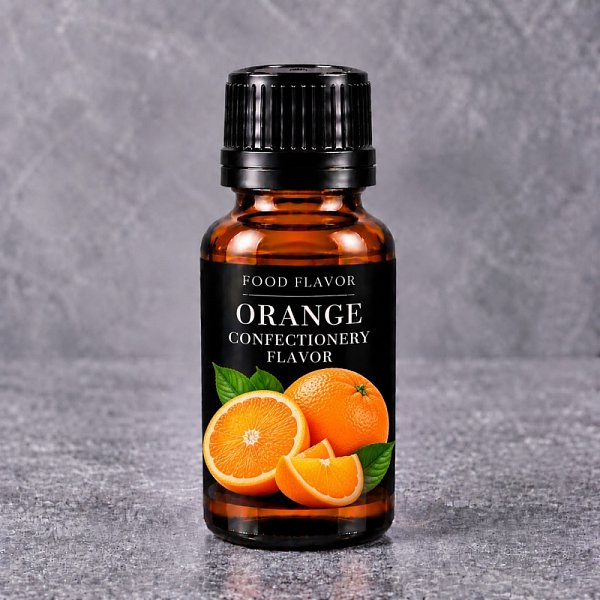
Flavoring confectionery Orange supplied in a 1 liter container is intended for manufacturers running continuous production cycles rather than occasional small batches. This volume suits confectionery factories, bakeries, beverage bottling lines and dairy processing plants that need a dependable, consistent supply of aromatic raw material. The product belongs to the wider range of confectionery flavorings offered for liquid taste and aroma additives across various food production needs.
Globally, orange flavor sees the strongest demand within confectionery manufacturing - jellies, gummy candies, dragees, wafer and biscuit fillings - alongside soft drinks, ice cream and dairy desserts. It is also a common choice for glazes, cake creams, biscuit soaking syrups, fruit gels and mousses. Similar citrus aromatic compositions are sometimes used in household chemistry products with a fresh scent and in home fragrance blends, though the food industry accounts for the overwhelming majority of global purchases.
For building layered flavor profiles, this orange flavor pairs well with other items from the same range. Combined with flavoring confectionery Apricot, it produces a soft, sun-ripened fruit tone suitable for candy and biscuit fillings, while blending it with flavoring confectionery Strawberry creates a bright berry-citrus composition for jelly products and beverages. For creamy desserts and baked goods, pairing it with flavoring confectionery Cream softens the acidity of the citrus note and gives the final product a rounder, more dessert-like character.
The flavoring should be introduced at the final stage of processing, once the mass has cooled to around 35-45 degrees Celsius. Volatile aromatic compounds found in orange partially break down and evaporate during prolonged heating above 60 degrees, so adding the flavor while the mixture is still hot reduces the intensity of the final scent and taste. A typical dosage for most confectionery recipes ranges from 0.1 to 0.5 percent of the total product weight, though the exact concentration should be confirmed through a trial batch depending on the fat content and acidity of the base. In syrups and beverages the recommended dosage is usually lower, around 0.05 to 0.2 percent, since a water-based medium reveals the aromatic profile more fully.
Store the flavoring in a tightly sealed container, in a dry area away from direct sunlight, at room temperature and away from heat sources or open flame. Once opened, the product should be used within the timeframe specified by the manufacturer, avoiding prolonged air exposure to keep the aromatic profile stable throughout the entire production run.
Industrial-batch orange glaze for cake and pastry lines
Powdered sugar 5000 g
Water 800 ml
Citric acid 15 g
Flavoring confectionery Orange 10 ml
Sift
the powdered sugar into a mixing vessel and gradually add warm water while
stirring continuously until a smooth, pourable glaze forms. Allow the mixture
to cool to about forty degrees Celsius, then blend in the citric acid and the
orange flavoring, mixing thoroughly until fully incorporated. Use the finished
glaze immediately to coat pastries and cakes moving along the production line,
applying it while still warm for an even, glossy finish.