Sodium Lauryl Sulfate Surfactant For Cleansing Systems And Professional Cosmetic Manufacturing
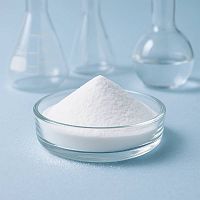
Sodium Lauryl Sulfate is one of the most widely used surfactant ingredients in global cosmetic industry and industrial manufacturing because of its strong cleansing performance, stable foam formation and broad compatibility with multiple cleansing formulations. Sodium Lauryl Sulfate is actively incorporated into shampoo systems, cleansing gels, foam products, liquid soap production, household formulations, industrial cleaning systems and professional cosmetic manufacturing where dense cleansing foam and effective soil removal are required.
The ingredient remains especially popular in hair care products because it helps create rich foam texture and efficient cleansing of scalp and hair surface. In modern shampoo formulations Sodium Lauryl Sulfate is often combined with amphoteric surfactants and mild co-surfactants to create more balanced cleansing systems with improved sensory aesthetics.
In skincare and body care products the component is used in shower gels, cleansing foams, bath products, facial cleansing systems and soap formulations. Because of its ability to quickly generate stable foam the surfactant is widely used in products designed with rich foam effect and clean rinse-off texture.
In cleansing cosmetics Sodium Lauryl Sulfate helps formulators create transparent and semi-transparent gel systems with strong detergent activity. The ingredient distributes effectively in water-based formulations and supports stable viscosity when combined with salt thickening systems and polymer stabilizers.
In SPA and wellness products the surfactant is incorporated into aromatic cleansing systems, foam bath products, shower concentrates and body cleansing formulations. When properly combined with conditioning additives and moisturizing ingredients formulations develop a softer sensory profile while maintaining efficient cleansing performance.
In industrial manufacturing Sodium Lauryl Sulfate is highly demanded in household cleaning products, industrial detergents, technical washing systems, textile cleansing products and foam concentrates. Its strong cleaning activity makes the ingredient especially popular in large-scale production and industrial surfactant systems.
The surfactant combines effectively with Cocamidopropyl Betaine, Decyl Glucoside, Cocamide DEA, glycerin, polymer thickeners, conditioning additives and water-soluble active ingredients. In formulations it creates stable foam, dense cleansing texture and clean rinse effect.
Professional Formula For Transparent Shampoo Gel Fresh Clean Foam
Water phase:
Deionized water - 510 ml
Glycerin - 35 g
Hydroxyethylcellulose - 4 g
Surfactant phase:
Sodium Lauryl Sulfate - 180 g
Cocamidopropyl Betaine - 110 g
Decyl Glucoside - 55 g
Active phase:
Panthenol - 8 g
Hydrolyzed Wheat Protein - 6 g
Preservative system - 8 g
Fresh citrus fragrance - 5 g
Adjustment phase:
Sodium chloride - 10-15 g
Manufacturing process:
Begin by preparing the gel base. Combine glycerin with Hydroxyethylcellulose until the powder becomes fully wetted. The polymer should be added gradually during mixing to prevent lump formation. Allow the mixture to hydrate for approximately 15-20 minutes.
In a separate vessel heat the deionized water to 35-40°C. Slowly introduce the prepared polymer concentrate into the water while mixing at low speed. Continue stirring for approximately 10 minutes until a transparent gel texture is obtained.
Next begin incorporating the surfactant system. Add Sodium Lauryl Sulfate first and mix carefully until fully uniform. Cocamidopropyl Betaine is added next followed by Decyl Glucoside. Each surfactant should be incorporated separately with gentle mixing to minimize foam generation during manufacturing.
After stabilizing the cleansing base add panthenol and Hydrolyzed Wheat Protein. Active ingredients should be introduced at temperatures below 35°C to maintain formulation stability.
The preservative system and fragrance are then incorporated. Once full uniformity is achieved begin viscosity adjustment using sodium chloride. Salt should be added gradually in small portions while mixing slowly until the desired thickness is reached.
After manufacturing the formulation should rest for 12-24 hours to stabilize viscosity and allow excess air bubbles to disappear naturally.
The final product is a transparent shampoo gel with rich creamy foam texture, strong cleansing activity and soft rinse-off sensory profile. The formulation provides stable viscosity, dense foam structure and modern visual aesthetics suitable for professional hair care products and cleansing systems.