-
 DIY: Video master classes
-
 Aromatherapy
-
 Felting master classes
-
 Eating at home
-
 DIY cosmetics for children
-
 Cooking recipes
-
 Detergents, cleaning products with your own hands
-
 Soap making as a business
-
 Natural cosmetics. Raw materials for cosmetics and soap.
-
 Natural oils in cosmetics
-
 News
-
 Recipes for balms and conditioners
-
 Bath Bomb Recipes
-
 Cream recipes. Cream making.
-
 Lotion recipes. Gel recipes.
-
 Mask recipes
-
 Soap recipes. Base soap. Soap from scratch.
-
 Recipes for all occasions
-
 Natural shampoo recipes
-
 Healthy Nutrition Recipes
-
 Scrub recipes. Massage tiles. Ubtan
-
 DIY candles
-
 Reference materials, questions, tips
-
 Startup - soap production
-
 Hair care. Tips, recipes
-
 Facial skin care. Cleansers.
-
 Body care. Tips, recipes
-
 Photo Reviews
-
 Chocolate Handmade


Recipe for a moisturizing shampoo with mild surfactants, aloe extract and silk proteins
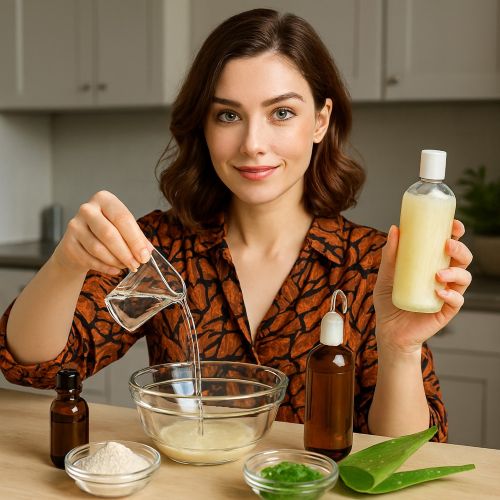 In an era where consumers are increasingly aware of product ingredients, the demand for gentle, effective, and natural hair care is at an all-time high. Many commercial shampoos contain harsh sulfates and synthetic additives that can strip hair of its natural oils, leading to dryness, frizz, and scalp irritation. For those seeking a superior alternative, crafting your own moisturizing shampoo with mild surfactants, aloe extract, and silk proteins offers the perfect solution. This article will delve into the science behind these key ingredients, detail the nuances of formulation, and provide three unique recipes to help you create a personalized shampoo that cleanses gently while nourishing and protecting your hair.
Understanding the Key Ingredients: A Gentle, Nourishing Blend
The power of a homemade shampoo lies in the intentional choice and balance of its ingredients. Each component serves a specific purpose, working in harmony to create a cleansing and conditioning experience far superior to most industrial products.
Mild Surfactants
Surfactants, or surface-active agents, are the cleansing components of a shampoo. They create lather and lift dirt and oil from the hair. The key is to choose mild surfactants that clean effectively without stripping the scalp.
-
Cocamidopropyl Betaine: Derived from coconut oil, this is a very gentle co-surfactant that helps to boost lather and reduce the harshness of other cleansing agents. It is excellent for sensitive skin.
-
Decyl Glucoside: A non-ionic surfactant made from coconut and corn starch. It's extremely mild and biodegradable, making it a favorite for natural and baby care products.
-
Sodium Cocoamphoacetate: A very mild amphoteric surfactant that conditions hair and skin. It is known for being tear-free, making it suitable for all hair types, including fine and damaged hair.
Aloe Vera Extract
Aloe vera is a renowned botanical for its hydrating and healing properties. In a shampoo, it acts as a powerful conditioner.
-
Moisture and Hydration: Aloe vera is rich in polysaccharides, which help to attract and lock in moisture, leaving hair feeling soft and hydrated.
-
Soothing Scalp: It has anti-inflammatory properties that can soothe an irritated or itchy scalp, promoting a healthier environment for hair growth.
-
Nutrient Boost: Aloe contains vitamins, enzymes, and amino acids that nourish the hair shaft, improving its elasticity and shine.
Silk Proteins (Hydrolyzed Silk)
Silk proteins are large protein molecules that have been broken down into smaller pieces (hydrolyzed) to allow them to penetrate the hair shaft.
-
Strengthening and Repair: They help to fortify the hair cuticle, reducing breakage and split ends.
-
Adding Shine: Silk proteins create a smooth, reflective surface on the hair, giving it a healthy, glossy appearance.
-
Moisture Retention: They form a protective film on the hair, helping to lock in moisture and prevent dehydration.
Nuances of Preparation: Mastering the Formulation Process
Creating a stable and effective liquid shampoo requires a specific set of steps to ensure proper emulsification and preservation.
-
Sanitation is Key: Always sterilize all your equipment, containers, and work surfaces with rubbing alcohol to prevent bacterial contamination.
-
Hydrating Gums: To thicken the shampoo to a desirable consistency, you will need to use a gum or thickener like xanthan gum. It must be dispersed evenly in a small amount of glycerin or a surfactant to prevent clumping before adding it to the main mixture.
-
Mixing Order: Follow the mixing order precisely. Surfactants should be added slowly to avoid creating excessive foam.
-
pH Balance: The ideal pH for a shampoo is between 4.5 and 5.5, which is slightly acidic. This helps to keep the hair cuticle closed and shiny. You will need pH strips and a pH adjuster (like citric acid or lactic acid) to achieve this.
-
Preservation: A preservative is absolutely essential. Any water-based product is a breeding ground for bacteria, yeast, and mold. A broad-spectrum preservative will ensure the safety and longevity of your shampoo.
Three Detailed Recipes for a Moisturizing Shampoo
These recipes are designed to be prepared in small batches, guaranteeing freshness and allowing for customization. Each recipe is for a 200g batch.
Recipe 1: Basic Hydrating Shampoo
This is a simple yet effective recipe that is great for all hair types, especially dry hair.
-
Prepare the water phase. In a sterilized beaker, combine 90g of distilled water and 5g of vegetable glycerin.
-
Add the thickener. Sprinkle 2g of xanthan gum onto the water/glycerin mixture. Stir vigorously until it forms a smooth gel.
-
Add surfactants. Slowly add 40g of Cocamidopropyl Betaine and 20g of Decyl Glucoside. Stir gently to avoid creating too much foam.
-
Incorporate the actives. Add 20g of aloe vera liquid extract and 2g of hydrolyzed silk protein.
-
Add the preservative. Add 1g of a broad-spectrum preservative (like Geogard 221) and 10 drops of a cosmetic-grade essential oil for fragrance (optional).
-
Finalize and check pH. Stir gently until all ingredients are blended. Check the pH and adjust to between 4.5 and 5.5 with a few drops of a pH adjuster. Pour the shampoo into a sterilized bottle.
Recommendations for Use: Lather a small amount in your hands and massage into the scalp and hair. Rinse thoroughly.
Storage: Store in a cool, dark place. The shelf life is 3-6 months.
Recipe 2: Extra Gentle Shampoo for Sensitive Scalps
This recipe minimizes potential irritants, making it perfect for sensitive scalps and fine hair.
-
Prepare the water phase. In a sterilized beaker, combine 90g of distilled water and 5g of vegetable glycerin.
-
Add the thickener. Sprinkle 2g of xanthan gum onto the water/glycerin mixture. Stir vigorously until it forms a smooth gel.
-
Add the main surfactant. Slowly add 50g of Sodium Cocoamphoacetate. Stir gently.
-
Incorporate the actives. Add 20g of aloe vera liquid extract and 2g of hydrolyzed silk protein.
-
Add the preservative. Add 1g of a broad-spectrum preservative (like Euxyl PE 9010). Stir gently until blended.
-
Finalize and check pH. Check the pH and adjust to between 4.5 and 5.5. Pour into a sterilized bottle.
Recommendations for Use: Lather a small amount in your hands and massage into the scalp and hair. This shampoo will have a lighter lather but will cleanse effectively.
Storage: Store in a cool, dark place. The shelf life is 3-6 months.
Recipe 3: Nourishing Shampoo for Damaged Hair
This recipe adds extra conditioning agents to help repair and protect damaged hair.
-
Prepare the water phase. In a sterilized beaker, combine 85g of distilled water and 5g of vegetable glycerin.
-
Add the thickener. Sprinkle 3g of xanthan gum onto the water/glycerin mixture. Stir vigorously until a smooth gel forms.
-
Add surfactants. Slowly add 30g of Cocamidopropyl Betaine and 20g of Decyl Glucoside. Stir gently.
-
Incorporate the actives. Add 20g of aloe vera liquid extract, 2g of hydrolyzed silk protein, and 5g of hydrolyzed wheat protein for added strength.
-
Add the preservative. Add 1g of a broad-spectrum preservative (like Geogard 221) and a fragrance of your choice (optional).
-
Finalize and check pH. Stir gently until all ingredients are blended. Check the pH and adjust to between 4.5 and 5.5. Pour into a sterilized bottle.
Recommendations for Use: Use a small amount to cleanse the hair and follow with a conditioner for best results on damaged hair.
Storage: Store in a cool, dark place. The shelf life is 3-6 months.
Advantages of a Homemade Shampoo over Industrial Analogues
Choosing to make your own shampoo offers distinct advantages that mass-produced products often cannot provide.
-
Ingredient Control: You have complete control over every ingredient. You can avoid harsh sulfates (SLS/SLES), parabens, synthetic fragrances, and artificial dyes, which are common in commercial shampoos.
-
Customization: You can tailor the formula to your specific hair type and concerns. Adjust the amount of surfactants for a stronger or milder cleanse, or add specific actives for a flaky scalp or oily hair.
-
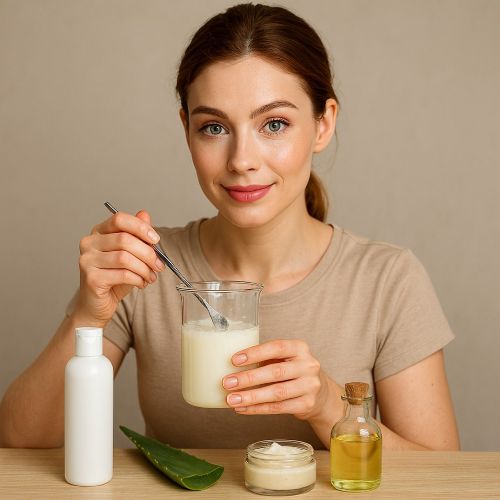 Superior Gentle Cleansing: Mild surfactants cleanse the hair without stripping it of its natural oils, which helps maintain the scalp's delicate balance and prevents dryness and irritation.
-
Higher Concentration of Actives: Commercial shampoos often contain minimal amounts of expensive actives like aloe and silk proteins. In your homemade formula, you can add them in therapeutic concentrations for maximum benefit.
-
Cost-Effectiveness: While the initial investment in raw materials may seem high, the cost per bottle of homemade shampoo is significantly lower than that of high-end, natural commercial products.
By mastering the art of crafting your own shampoo, you are not just making a product; you are creating a personalized hair care solution that is gentle, effective, and perfectly suited to your needs.


Cosmetic ingredients and professional formulation blog
This section features expert materials on modern cosmetic actives. We cover peptides, polynucleotides PDRN, different forms of hyaluronic acid, retinoids, ceramides and other key components.
Special focus is given to active stability, ingredient compatibility and correct incorporation into formulas. You will find practical guides on working with anti-age actives, moisturizing complexes and barrier repair ingredients.
We examine how to properly combine myorelaxants with peptides, common mistakes when using unstable vitamin C forms and ways to improve the performance of moisturizing actives.
Separate materials are dedicated to base oils, extracts, emulsifiers and supporting ingredients. This helps create stable and effective formulas for both professional and home cosmetics.
The blog regularly publishes reviews of trending actives, comparisons of similar ingredients and step-by-step formulation recommendations. The content is aimed at formulators, technologists and anyone seriously involved in creating cosmetic products.
Why this blog is useful
Here you will find practical data on eye area care actives, lifting systems and ingredients that improve skin firmness and tone. We rely on real formulation experience and address the actual challenges that arise during product development.
You can also explore materials on skin protection and repair, depigmentation and anti-inflammatory actives. This approach supports a more systematic selection of ingredients.
FAQ
What topics are covered most often
The blog focuses on peptides, PDRN, hyaluronic acid of different molecular weights, retinoids, ceramides and their compatibility rules.
Are there practical recommendations on how to incorporate actives
Yes, most articles include practical notes on pH stability, incorporation temperature and common formulation mistakes.
Is the content only for professionals
The materials are useful both for formulators and technologists and for those who create cosmetics for personal use and want to understand how modern ingredients work.
Where can I go directly to the ingredients
All key actives are collected in the Actives section, while base components are available in base oils and related categories.



