Why Soy Wax Has Become a Go-To Choice for Candle Makers and Small Cosmetic Studios
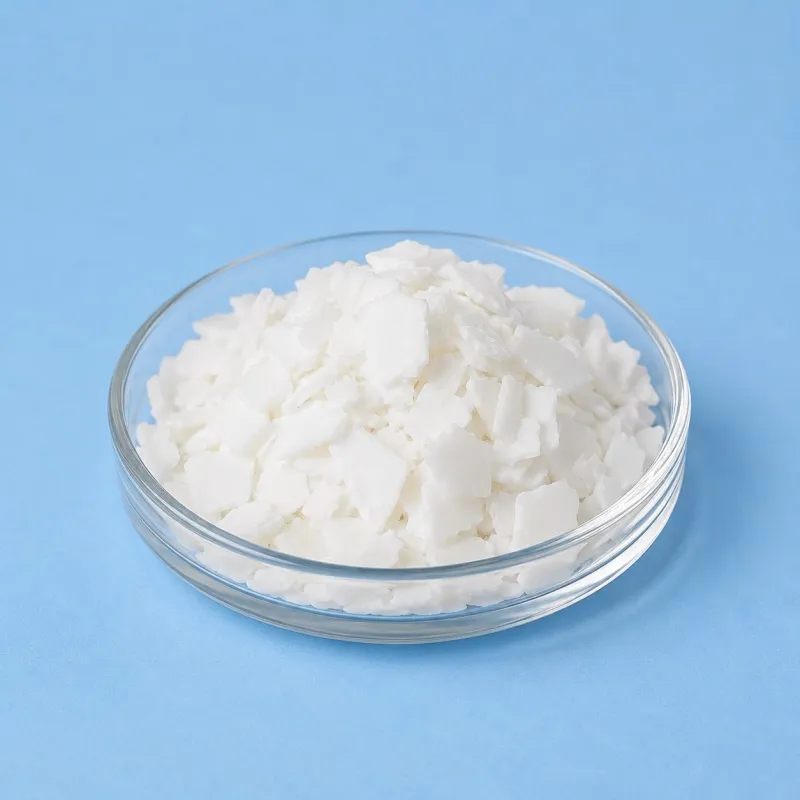
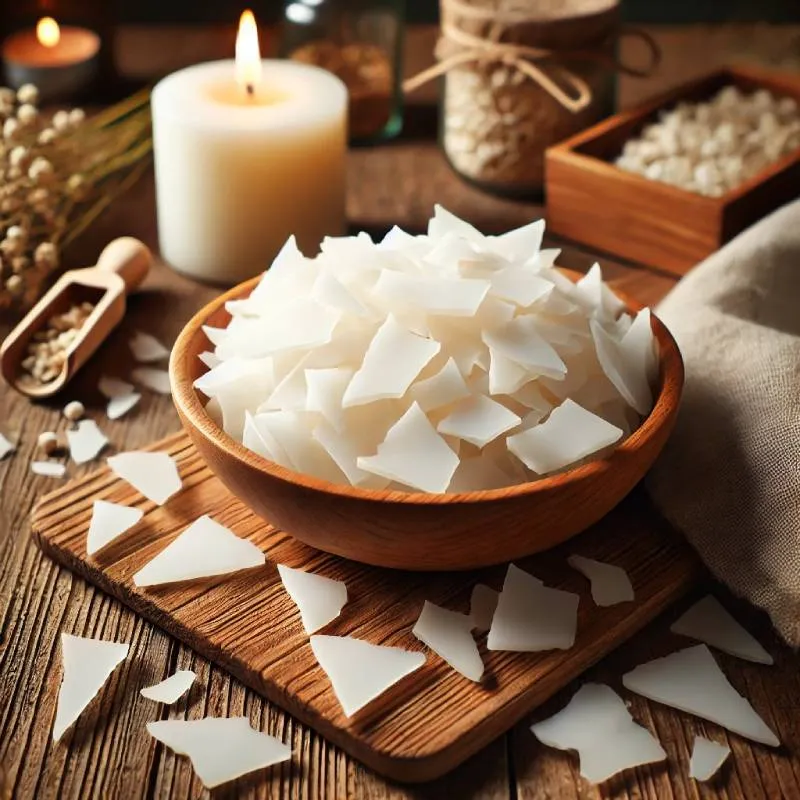
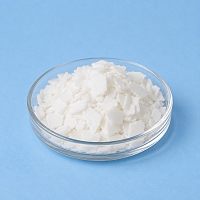
Soy wax is produced by hydrogenating soybean oil, and worldwide demand for it is driven overwhelmingly by candle making rather than cosmetics. The 1 kg pack size fits studio-level production well: a maker running batches of 20-40 container candles gets enough raw material without overpaying for small jars or risking the wax degrading before use. This product belongs to the Waxes for cosmetics section, which brings together various waxes for cosmetic and related manufacturing, though for soy wax specifically the dominant global application remains candles: container candles, wax melts, and scented tarts for wax warmers.
Soy wax is valued for its relatively low melting point, typically between 50 and 55 degrees Celsius, which allows fragrance oils and essential oils to be added without burning off their volatile compounds — unlike paraffin, which needs higher pouring temperatures and tends to strip scent faster. Candles are usually poured around 55-60 degrees, with fragrance added once the melted wax cools to 50-55 degrees so the scent binds evenly instead of evaporating too early. For simple container candles soy wax is often used on its own, while for molded or textured candles it is commonly blended with other waxes. It pairs well in texture with Natural Beeswax, added at around 5-10 percent to raise the melting point and improve stability in warmer weather, and with Palm Wax, which gives the finished candle a firmer body and a distinctive crystalline surface pattern.
Beyond candle production, soy wax is also used in skincare and personal care manufacturing as an emollient and thickener for balms, lip sticks, creams and solid body bars. In these formulations it is usually dosed between 5 and 15 percent of the total mass, added during the oil phase together with butters and other waxes at around 65-70 degrees, before combining with any water phase. For solid stick formulas, soy wax is frequently paired with Avocado Wax, which softens the texture and improves glide thanks to its nourishing lipid content. This combination is popular among small cosmetic brands and home-based formulators who want a stable, non-crumbly bar without relying on silicones.
Soy wax also finds use in household chemistry as a component of natural polishes, wax-based cleaning blends, and scented home fragrance bases. Store it in a cool, dry place away from direct sunlight and heat sources, in a tightly sealed container, to prevent oxidation and preserve a consistent melting point for future batches. Properly stored, soy wax keeps its working properties for a long time, which makes the 1 kg pack practical for several months of regular studio use.
Layered Vanilla Container Candle
Soy wax 850 g
Avocado wax 20 g
Vanilla fragrance oil 40 ml
Cotton wick with base 1 pc
Glass jar 1 pc
Melt
the soy wax in a double boiler at around 60 degrees until fully liquid, then
stir in the avocado wax until it dissolves completely into the mixture. Remove
from heat and let the wax cool to about 52-55 degrees before adding the vanilla
fragrance oil, stirring gently for a full minute to disperse it evenly. Secure
the wick at the center of the jar with a holder, pour the wax slowly in one
steady stream, and let it set undisturbed at room temperature for at least 12
hours before trimming the wick to about 1 cm and lighting for the first time.