Worldwide delivery  |  Free delivery in all Ukraine from 1899 UAH
Product catalog
Master classes, recipes, tips
AMIGEL rheology guide: Sclerotium Gum in gels emulsions and suspensions
A comprehensive technical formulation guide dedicated to managing rheology in cosmetics using the natural polysaccharide AMIGEL (Sclerotium Gum). This article explores the physical mechanisms of polymer hydration and network formation for structuring clear gels, light emulsions, and particle-suspending fluids. It covers pre-dispersion in polyols, electrolyte stability, shear rate handling, incompatibility limits, thermal limits, and precise pH controls. Features three complete DIY recipes with step-by-step compounding instructions and cold storage standards.
Natpure Film AP: natural film-forming technology for skin color cosmetics and hair
A comprehensive technical formulation guide dedicated to utilizing the bio-based film former Natpure Film AP (derived from sugar cane) in color cosmetics and hair care. This article breaks down the physical mechanics of flexible film creation, moisture resistance, and pigment adhesion enhancement. It covers aqueous dissolution protocols, compatibility with natural polymers and gums, thermal boundaries, and precise pH controls. Features three complete DIY recipes with step-by-step compounding instructions and storage standards.
ViableCare LipoCare 8: integrating a liposomal ceramide complex into barrier-care formulas
A comprehensive technical formulation guide to designing skin barrier restoration creams and liposomal fluids using ViableCare LipoCare 8. This article breaks down the physiological mechanism of ceramide integration into stratum corneum lipids to stop transepidermal water loss. It details exact processing protocols to protect liposomal structures, low-shear cooling phase entry below thirty degrees Celsius, emulsifier compatibility, and pH boundaries. Features three complete DIY recipes with step-by-step compounding instructions and cold storage standards.
Product Description

Uvinul T 150: High-Performance UV-B Filter for Premium Sunscreen and Daily Photoprotection Formulations

Advanced sun care formulation requires raw materials that deliver maximum photostability, exceptional skin safety, and reliable broad-spectrum protection against solar radiation. Uvinul T 150 stands as a benchmark high-performance organic UV-B filter engineered to absorb ultraviolet rays with remarkable efficiency. This specialized compound features a robust molecular structure acting as a potent chemical sunscreen agent, enriched with photostabilizing functional groups and oil-soluble carrier compatibility. Formulators and R&D chemists rely on this active ingredient to construct resilient sunscreen emulsions that maintain their protective integrity under intense solar exposure, preventing premature photoaging and dermal damage without leaving a heavy greasy residue on the surface.

Global market demand for sophisticated photoprotection continues to accelerate as consumers increasingly prioritize daily skin health, anti-aging prevention, and lightweight cosmetic elegance. Leading international cosmetic laboratories, prestige brands, and indie formulators integrate this specialized filter into high-end facial sunscreens, daily protective moisturizers, BB creams, and waterproof outdoor formulations. Its exceptional oil solubility allows for seamless incorporation into lipid phases, making it an indispensable asset for large-scale industrial manufacturing as well as specialized boutique laboratories crafting custom sun care lines.

Application Diversity and Technological Benefits in Formulation

The versatility of Uvinul T 150 enables creators to implement it across a wide spectrum of cosmetic and personal care categories designed for both professional and domestic production. In advanced facial and body care, it serves as the core defense mechanism against UV-B induced erythema in daily protective fluids, sports sunscreens, and nourishing day creams. While absent from household cleaning and food sectors due to its strict dermatological purpose, it plays a vital role in decorative cosmetics containing SPF, such as foundations and tinted primers, safeguarding the skin while maintaining aesthetic perfection. It is not utilized in soap making or candle production, as its primary technological realm is dedicated strictly to professional photoprotective cosmetics.

Formulators and cosmetic developers benefit immensely from the high specific extinction coefficient of this UV filter, which allows for lower use concentrations while achieving high SPF ratings. The compound exhibits outstanding photostability, meaning it does not degrade rapidly under direct sunlight, thereby ensuring prolonged protection for the end user. Manufacturers appreciate its compatibility with a wide range of cosmetic oils, emollients, and organic or inorganic UV filters like titanium dioxide, enabling synergistic booster effects and streamlined batch processing.

Lightweight Daily Photoprotective Facial Fluid

Caprylic capric triglyceride - 20 milliliters Uvinul T 150 - 5 grams Glycerin - 5 grams Polyglyceryl-3 diisostearate - 4 grams Magnesium sulfate - 1 gram Purified water - 65 milliliters Cosmetic grade preservative - 2 grams

In a heat-resistant glass beaker, combine the caprylic capric triglyceride, Uvinul T 150, and polyglyceryl-3 diisostearate, heating gently on a water bath until the UV filter is completely dissolved into the oil phase. In a separate sanitized vessel, dissolve the magnesium sulfate and glycerin in the purified water, warming both phases to a comparable temperature. Slowly pour the aqueous phase into the warm oil phase under continuous, vigorous high-shear mixing with a mini-mixer to form a stable water-in-oil emulsion. Allow the fluid to cool down gradually while stirring gently, then introduce the cosmetic grade preservative and mix thoroughly until uniform. Transfer the finished photoprotective fluid into an opaque plastic pump bottle designed for daily facial application.

The resulting fluid features an ultra-light, silky emulsion texture that glides smoothly across the facial contours and absorbs rapidly without leaving a white cast or heavy oily film. Upon application, it delivers a comfortable, breathable protective veil that locks in moisture while shielding the delicate skin matrix from harmful solar radiation. Regular integration into a morning skincare routine ensures reliable daily defense against photoaging, keeping the complexion soft, smooth, and resilient.

Characteristics:
INCI Ethylhexyl Triazone
Other
Application Sunscreens, SPF fluids, light SPF emulsions, daily creams with SPF, anti-aging products with photoprotection, BB and CC products with SPF, decorative cosmetics with SPF, waterproof sunscreens
Att brand Germany
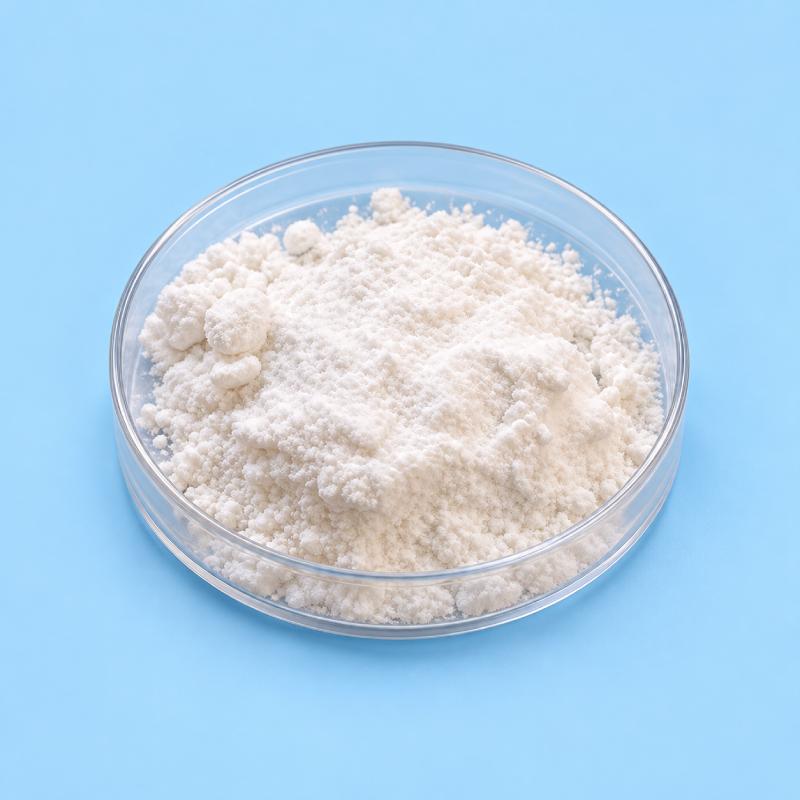
Color product white
Dosage Dosage: Up to 5% in regions where this level is permitted Dosage in sunscreens: approximately 1-5% Dosage in SPF fluids: approximately 1-5% Dosage in light emulsions: approximately 1-5% Dosage in day creams (SPF): approximately 0.5-3% Dosage in BB and CC products: approximately 0.5-3% Dosage in decorative cosmetics (SPF): approximately 0.5-3% Dosage as a UVB booster: approximately 0.5-2% Dosage for high SPF systems: approximately 2-5% as part of a comprehensive UV filter system
Features All information presented on the site is for reference only
Name Uvinul T 150 1 kg
Other names Ethylhexyl Triazone UVB Filter, EHT UV Filter, UVT-150, high efficiency UVB filter, photostable UVB filter / Ethylhexyl Triazone, EHT, Octyl Triazone, UVT-150, Ethylhexyltriazone, Uvinul T150
Packaging container for transportation
Properties very effective absorption of UVB radiation, high contribution to SPF at a relatively low concentration, high photostability, absence of its own pronounced odor and color in a properly prepared formula, good compatibility with other UV filters, the possibility of creating high SPF systems with a lower overall UVB filter load
Purpose Intended use in sunscreens: Primary, highly effective UVB filter to increase SPF Intended use in light SPF fluids: Provides a high contribution to UVB protection with a relatively low filter concentration Intended use in watery SPF formulas: Suitable for creating lightweight, high-SPF systems, but there is an important caveat: Uvinul T 150 itself is not water-soluble. It must first be completely dissolved in an oil phase or a suitable solvent before creating a lightweight emulsion system. BASF specifically requires Uvinul T 150 to be completely dissolved in the oil phase at elevated temperatures. Shop@BASF Intended use in anti-aging products: Provides UVB protection in daytime anti-aging products; BASF specifically lists anti-aging face care as an application. Care360 Use in day creams: Boosts the UVB portion of the sun protection system Use in BB and CC products: Increases UVB protection without the need for a very high concentration of EHT itself Use in decorative cosmetics: UVB component of an SPF system in the presence of a suitable oil phase Use in water-resistant formulas: High lipophilicity and lack of water solubility make EHT a suitable component for developing water-resistant SPF systems, although the water resistance of the final product is determined by the entire formulation Use as a UVB booster: Yes, one of the most powerful applications, as its high efficiency allows for a significant increase in SPF systems with a relatively low dosage UVA protection: Not for use as a standalone UVA filter
Solubility oil
Type organic oil-soluble UVB filter
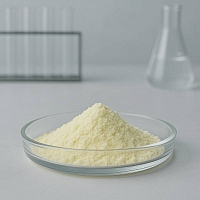
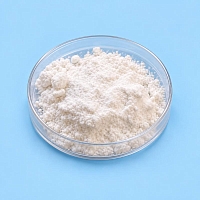
View powder
Valid until 10.2028
Add a review
Your score:
Send feedback
Error

Close window
Product added to cart
Total:
Request the price of the product
Fill in the details for the price request
Request a price Request a price