Product catalog
-
 Absolutes
-
 Active Complexes
-
 Actives & Peptides
-
 Amino Acids & Proteins
-
 Food Flavors
-
 Ayurvedic Ingredients & Herbs
-
 Vitamins & Coenzymes
-
 Chocolate Making Supplies
-
 Thickeners & Gelling Agents
-
 Hydrosols & Floral Waters
-
 Hydrolyzed Proteins
-
 Fragrance Ingredients
-
 Nutraceutical Ingredients
-
 Acids, Salts, Alcohols & Alkalis
-
 Preservatives & Antioxidants
-
 Cosmetic Ingredients
-
 Colorants, Micas & Glitters
-
 Masks, Scrubs & Botanicals
-
 Oils & Butters
-
 Candle Making Supplies
-
 Melt and Pour Soap Bases
-
 Cream, Lotion & Hair Care Bases
-
 Fragrance Oils & Industrial Aromatics
-
 Cleansing Agents & Surfactants
-
 Peeling Actives & Acids
-
 Cosmetic Powders
-
 Solvents & Humectants
-
 Silicones & Conditioning Agents
-
 Bottles, Jars & Vials
-
 Silicone & Plastic Molds, Tools
-
 Botanical Extracts
-
 Cosmetic Emollients
-
 Emulsifiers
-
 Essential Oils
Master classes, recipes, tips


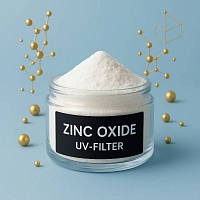
Solaveil CZ-300: incorporating a zinc oxide dispersion into SPF formulations
A comprehensive technical formulation guide dedicated to crafting physical sunscreens with Solaveil CZ-300 zinc oxide dispersion. This article breaks down broad-spectrum UVA and UVB defense mechanisms, exact active percentage calculations for target SPF levels, and oil phase incorporation rules. It details protocols to prevent particle agglomeration, emulsifier compatibility, shear rate requirements, and thermal management. Features three complete DIY recipes with step-by-step instructions and storage standards.
Cutissential 18-MEA: lipid-focused conditioning for damaged hair
A detailed technical formulation guide on restoring damaged hair lipids using the Cutissential 18-MEA complex. This article breaks down the physiological mechanism of replenishing the primary lipid F-layer of the hair cuticle lost through chemical processing and heat styling. It covers emulsification profiles, active integration with cationic surfactants and fatty alcohols, cold phase rules, and precise pH targets. Features three complete DIY recipes with step-by-step instructions and storage standards.
AnaGain in hair formulations: building a lightweight aqueous scalp serum
A comprehensive technical formulation guide dedicated to creating lightweight, water-based scalp serums with AnaGain derived from organic pea sprouts. This article breaks down the activation of Noggin and FGF7 signal molecules to reactive the hair growth phase (anagen), outlining precise dosing, solubility protocols, and cold phase insertion rules below thirty degrees Celsius. It covers strategies to prevent formulation heaviness or tackiness while maintaining root volume and pH stability. Features three complete DIY recipes with step-by-step instructions and storage standards.


 Add to cart
 Buy in 1 click


 Add a review
 To favorites