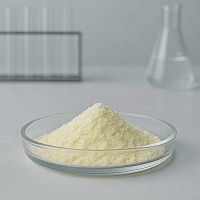
Why Oxybenzone Remains a Staple in Large-Scale Sun Care Manufacturing
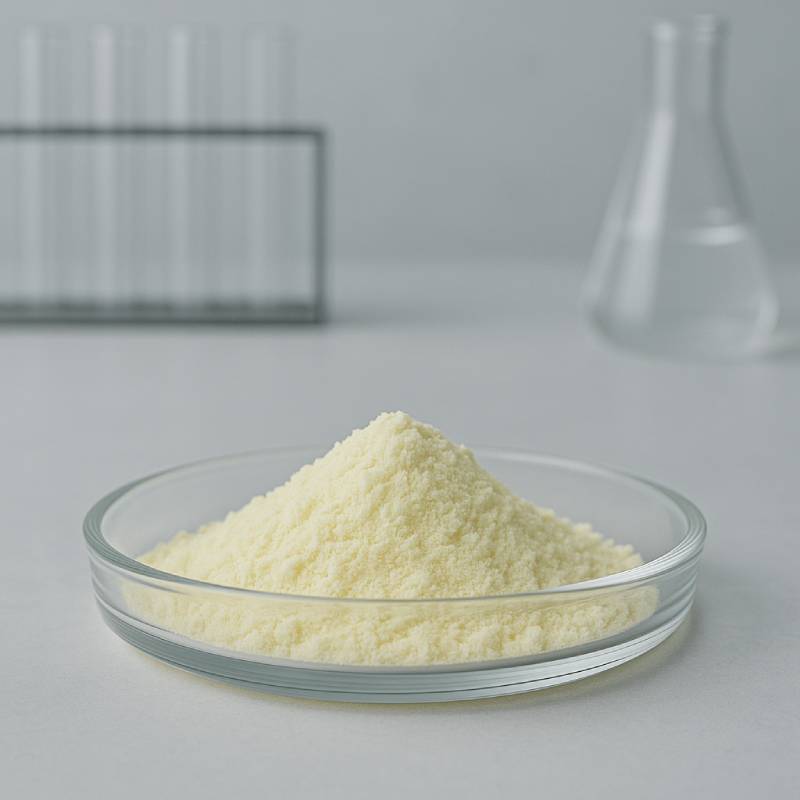
Benzophenone-3, commonly called oxybenzone, continues to be one of the most widely used organic UV absorbers in global sun protection manufacturing thanks to its ability to filter both UVB rays and part of the UVA spectrum. This 1 kg package is aimed at production facilities, contract manufacturers and formulation labs running continuous batch cycles that need a dependable bulk supply rather than frequent small reorders. It belongs to our UV and SPF Filters for Cosmetics category, where organic and mineral filters designed to work together in balanced broad-spectrum systems are collected in one place.
The primary application of oxybenzone is in sunscreens, after-sun lotions, sprays and lip balms, where it functions either as a standalone filter or alongside other UV absorbers and mineral blockers. Beyond cosmetics, the compound is heavily used in plastic packaging, polymer films, industrial coatings and varnishes that require protection against photodegradation from prolonged sun exposure. Textile manufacturers incorporate oxybenzone into fabric finishes marketed with UV-blocking claims, and the paint industry relies on it to extend the service life of exterior coatings. This demand outside of personal care makes the ingredient valuable raw material for chemical and polymer producers, not only for beauty brands.
In sunscreen formulations, oxybenzone is typically dissolved into the oil phase during the heating stage at around 60-70 degrees Celsius, allowing the crystals to fully melt before combining with the heated water phase. Usage levels in finished products commonly range from 2 to 6 percent depending on the targeted SPF value and the regulatory limits of the destination market, since maximum allowed concentrations vary considerably between regions. It pairs well with mineral filters such as UV Filter SENSASCREEN Zinc, allowing formulators to combine organic and physical protection while reducing the individual dosage of each filter. For a lighter sensory profile and smoother spreadability, many labs add silicone-based ingredients like Glass cover, which reduces tackiness typical of high-SPF emulsions.
During industrial handling, keep in mind that oxybenzone is sensitive to prolonged exposure to heat and moisture, so containers should be stored in a cool, dry area away from direct sunlight and kept tightly sealed between uses. To add extra skin-conditioning benefits to after-sun and daily SPF formulas, many manufacturers include natural additives such as Pearl Hydrolysate, which leaves skin feeling smoother after sun exposure and supports comfortable recovery. It is usually dosed at 1-3 percent and added to the water phase at the cooling stage, below 40 degrees, to preserve the protein activity.
Broad-Spectrum Sunscreen Cream for Bulk Production
Distilled water 720 g
Oxybenzone 40 g
Nonionic emulsifying wax 65 g
Light vegetable oil 110 g
Pearl Hydrolysate 20 g
Broad-spectrum preservative 8 g
Fragrance oil 5 g
Melt the emulsifying wax together with the vegetable oil at 65 degrees, then stir in the oxybenzone until fully dissolved and the mixture turns clear. Slowly pour this oil phase into the water heated to the same temperature while mixing continuously with a homogenizer until a stable cream forms. Once the batch cools to below 40 degrees, blend in the pearl hydrolysate, preservative and fragrance, mix for a few more minutes and transfer the finished cream into production containers for packaging.