Product Description
Glass Cover: Creating a Smooth, Flawless Finish in Cosmetics
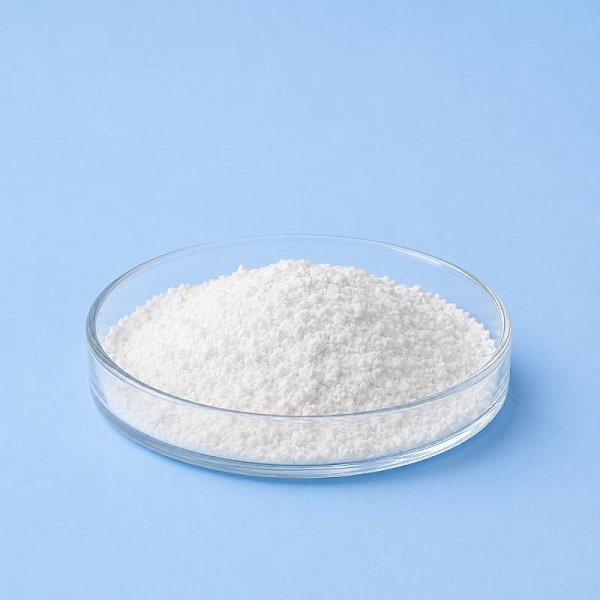
Glass Cover, manufactured in Ukraine, is a unique cosmetic ingredient designed to impart a smooth, soft-focus effect to various cosmetic formulations. This white aqueous dispersion offers a distinct texture and performance profile, making it a valuable addition to products aiming for a refined and polished finish.
Understanding the Composition:
The INCI list reveals the key components contributing to Glass Cover's properties:
- Water: Acts as the primary solvent and carrier for the other ingredients.
- Ethylhexyl Methoxycinnamate: A common UVB sunscreen filter. While present, the focus of this description is on the textural and visual effects of the product, not its sun protection capabilities. The amount present is unlikely to provide significant SPF on its own and should be combined with other UV filters for sun protection products.
- Silica: This is the key ingredient responsible for the soft-focus and light-scattering effects. It creates a smooth, almost blurring effect on the skin.
- Phenoxyethanol, Methylparaben, Propylparaben: These are preservatives used to prevent microbial growth and ensure product stability.
- Butylhydroxytoluene (BHT): An antioxidant used to prevent oxidation of other ingredients in the formulation.
- Polyvinylpyrrolidone (PVP): A film-forming polymer that can contribute to the texture and spreadability of the product.
Why Choose Glass Cover for Cosmetics?
- Soft-Focus Effect: The silica particles create a light-scattering effect that minimizes the appearance of fine lines, wrinkles, and pores, resulting in a smoother, more even skin tone.
- Improved Texture: It can enhance the texture of cosmetic products, providing a silky, non-greasy feel.
- Enhanced Spreadability: The presence of PVP can improve the spreadability of formulations, making them easier to apply.
- Matte Finish (depending on formulation): Can contribute to a matte or semi-matte finish, reducing shine.
Applications of Glass Cover in Cosmetics:
Glass Cover can be incorporated into a variety of cosmetic products:
- Makeup Primers: It creates a smooth base for makeup application, helping foundation and other products to glide on effortlessly and last longer.
- Foundations and BB Creams: It can improve the texture and coverage of foundations and BB creams, providing a more natural and flawless finish.
- Concealers: It can help to blur imperfections and create a more even skin tone under the eyes and on other areas of the face.
- Powders: It can be added to loose or pressed powders to enhance their texture and provide a soft-focus effect.
- Skincare Products (with caution): While primarily used in makeup, it can be incorporated into certain skincare products at lower concentrations to improve texture and provide a subtle blurring effect. However, due to the presence of UV filter and preservatives, formulation should be carefully considered.
Detailed Breakdown of Cosmetic Applications:
- Makeup Primers: Creates a smooth canvas for makeup, improving wear time and preventing makeup from settling into fine lines.
- Foundations and BB Creams: Enhances coverage, provides a smoother finish, and minimizes the appearance of pores.
- Concealers: Helps to blur imperfections and create a more natural-looking coverage.
- Powders: Improves the texture of powders, making them feel softer and smoother on the skin.
Cosmetic Recipe: Silky Smooth Makeup Primer
-
Ingredients:
- 70g Water Phase (e.g., Distilled Water or Hydrosol)
- 10g Glycerin
- 20g Glass Cover
-
Instructions:
- Combine the water phase and glycerin in a clean container.
- Slowly add the Glass Cover while mixing continuously to ensure even dispersion.
- Mix until a homogenous mixture is obtained.
Recommendations for Use:
- Input Percentage: The recommended input percentage is up to a maximum of 26.3%, but optimal levels will vary depending on the specific formulation and desired effect. Start with lower concentrations and adjust as needed.
- Mixing: Ensure proper dispersion of Glass Cover in the formulation by mixing thoroughly.
- Compatibility: While generally compatible with many cosmetic ingredients, it is always recommended to conduct compatibility testing in small batches before large-scale production.
- Temperature: Can withstand temperatures up to +80°C during the manufacturing process.
- pH: The product has a pH range of 4.0-7.0, which should be considered when formulating.
- Particle Size: The fine particle size (D(90) < 2.5 μm) contributes to the smooth texture and soft-focus effect.
Worldwide Delivery: We deliver worldwide.