Why Frankincense Resin Remains a Cornerstone of Incense and Perfume Blending
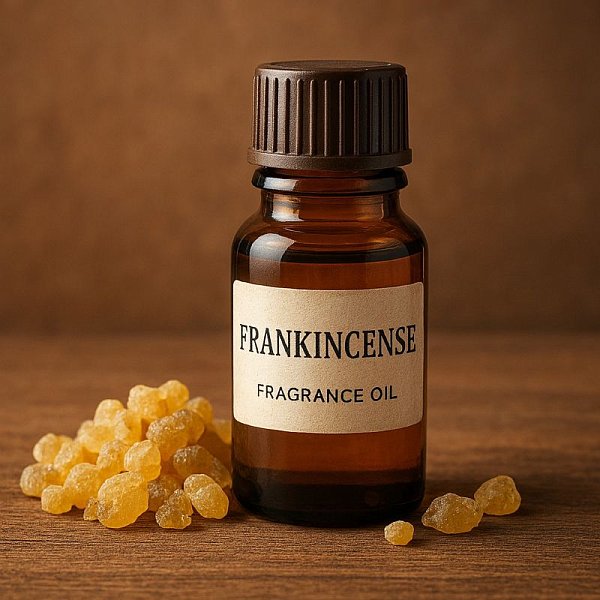
Frankincense resin 10 g is the hardened aromatic sap of the Boswellia tree, traditionally hand-harvested by tapping the bark in Oman, Somalia and parts of Ethiopia. The droplets cure in the open air, are cleaned of bark fragments and sand, and graded before being sold as raw incense-grade tears. This raw material belongs to the Resins and Resinoids section, which brings together natural aromatic materials used across perfumery, cosmetics and household applications.
The strongest global demand for frankincense comes from ritual and ambient incense burning - the resin is smoldered on hot charcoal in churches, meditation practices and home smudging rituals worldwide. A second major market is niche and artisan perfumery, where frankincense functions as a base note and natural fixative that extends the life of a fragrance on skin. In cosmetic manufacturing, resin extracts are added to creams, serums and balms formulated for tired or mature-looking skin, and the material is also common in body oils and after-sun blends. Beyond that, frankincense is a staple in handmade incense sticks, aromatic sachets and scented candle formulations.
The resin blends well with other balsamic and floral raw materials. Layering it with Benzoic Resin Essential Oil - Sumatran Resinoid
deepens the base with a warm, vanilla-like resinous character, while a touch of Narcissus Jonquil Absolute softens the composition with a green floral facet. For a rounder gourmand base note, many formulators also introduce Absolut Bean Tonka, contributing a sweet almond-vanilla undertone.
Before use, the resin lumps are crushed in a mortar or a dedicated grinder reserved for aromatic materials only. For perfume tinctures, crushed resin is macerated in alcohol or a carrier oil and gently warmed on a water bath at no more than 50-60 degrees Celsius for several hours until it fully softens and releases its aromatic fraction. In finished cosmetic formulations, resin extract is typically added at 0.5 to 3 percent during the cooling phase, protecting volatile aromatic compounds from heat damage. For loose incense, the resin is simply broken into small pieces and used as is. Store the raw resin in an airtight container, in a cool dry place away from direct sunlight and moisture, to preserve its aromatic quality over time.
The 10 g pack is well suited to home experimentation, small artisan perfume trials and hobbyist incense making before committing to a larger quantity.
Frankincense Perfume Tincture
Frankincense resin crushed 10 g
Perfumer's alcohol 80 ml
Distilled water 5 ml
Place
the crushed resin into a clean glass jar and pour the perfumer's alcohol over
it, making sure the pieces are fully submerged. Seal the jar and leave it in a
dark cupboard for two to three weeks, shaking it gently once a day to help the
resin dissolve into the alcohol. Once the liquid turns amber and no solid
particles remain undissolved, filter it through a coffee filter or fine cloth
to remove any residue. Add the distilled water to soften the alcohol sharpness,
then let the tincture rest for another week before using it as a fixative base
in a personal perfume blend, stored in a dark glass bottle away from heat.