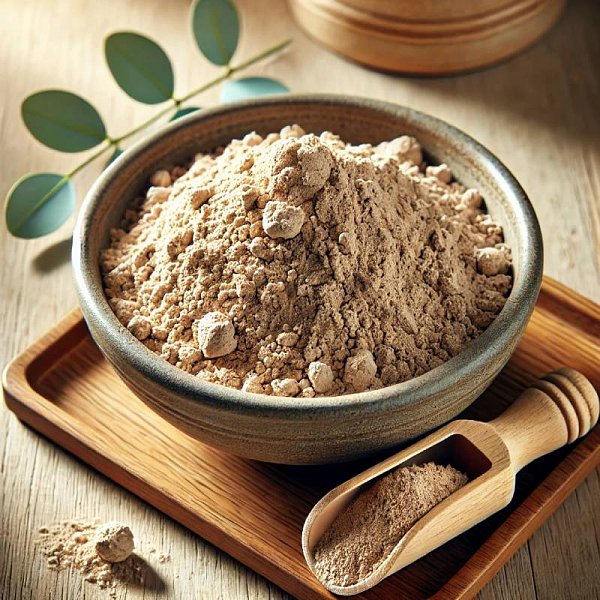
Why Pink Clay Remains a Staple for Skincare Manufacturing
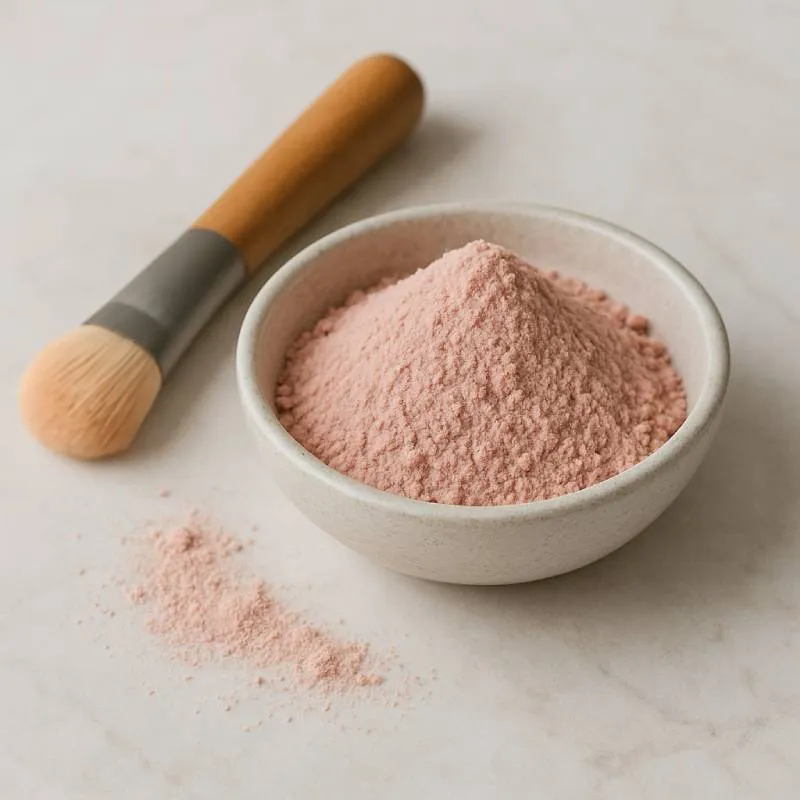
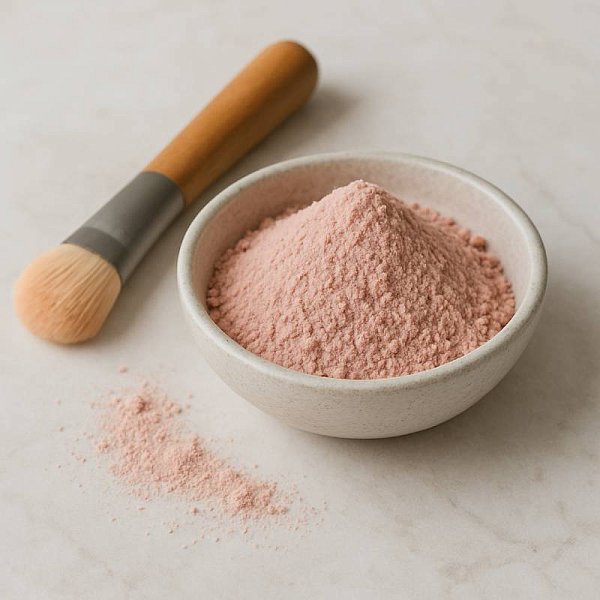
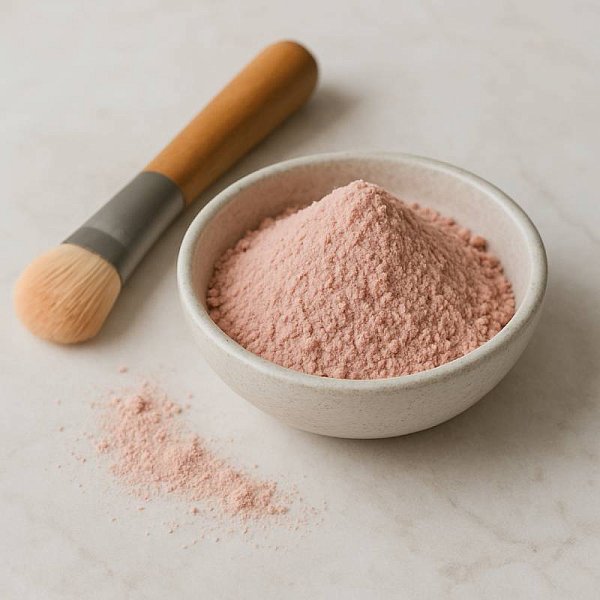
Pink clay is a natural mineral blend formed by combining white kaolin with iron oxide pigments and red clay, giving it a soft tone and a gentle action on the skin. The 1 kg package is designed for skincare studios, small manufacturers and cosmetic labs that need a steady supply of raw material for regular batches of masks, scrubs and other skincare goods without frequent reordering. This product belongs to the Cosmetic Clay category, which brings together minerals for cleansing, mattifying and nourishing different skin types.
The primary global demand for pink clay comes from facial and body care manufacturing: masks, creamy formulas, powder scrubs and mineral peels. Its balanced mineral composition makes it suitable for sensitive and dry skin, gently cleansing pores without over-drying while giving a subtle toning effect and brighter complexion. On an industrial scale, pink clay is used by finished cosmetics manufacturers, spa centers and formulation labs developing retail skincare lines. Beyond skincare, pink clay also finds use in natural household chemical production, in decorative craft work, and as a mineral colorant in soap making, where it lends products a soft hue and light exfoliating texture.
Pink clay blends well with other mineral ingredients: it can be combined with Red Clay to intensify the toning effect, or diluted with milder Yellow Clay when a gentler texture is needed for sensitive skin. It also pairs effectively with Mineral Mud for Facial and Body, creating combined mineral masks with enhanced detoxifying action.
To prepare masks, the clay is mixed with water, hydrolat or a carrier oil until it forms a paste, typically in a ratio of one part clay to 1.5-2 parts liquid. When incorporating clay into finished emulsions, it should be added at the final stage at a temperature not exceeding 40 degrees Celsius to preserve the mineral structure and avoid clumping. In dry powder blends, clay can be added at any stage without temperature restrictions. Standard dosage in cosmetic formulations ranges from 5 to 20 percent of the total product mass depending on the desired texture and intensity.
The clay should be stored in a dry area protected from moisture and direct sunlight, in a tightly sealed container to prevent clumping and absorption of external odors. Under proper storage conditions the product retains its properties for a long time, which is convenient for production schedules with irregular raw material ordering.
Detox Facial Mask with Pink Clay and Rosehip Oil
Pink clay 30 g
Rose water 50 ml
Rosehip oil 5 ml
Essential oil of geranium 2 ml
Gradually
whisk the clay into the rose water until a smooth lump-free paste forms, then
blend in the rosehip oil followed by the geranium essential oil. Apply an even
layer to cleansed facial skin, leave until slightly dry, then rinse off with
warm water and follow with a moisturizing cream.