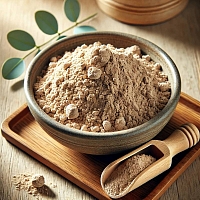
Why Moroccan Ghassoul Suits Small Studios and Growing Skincare Lines
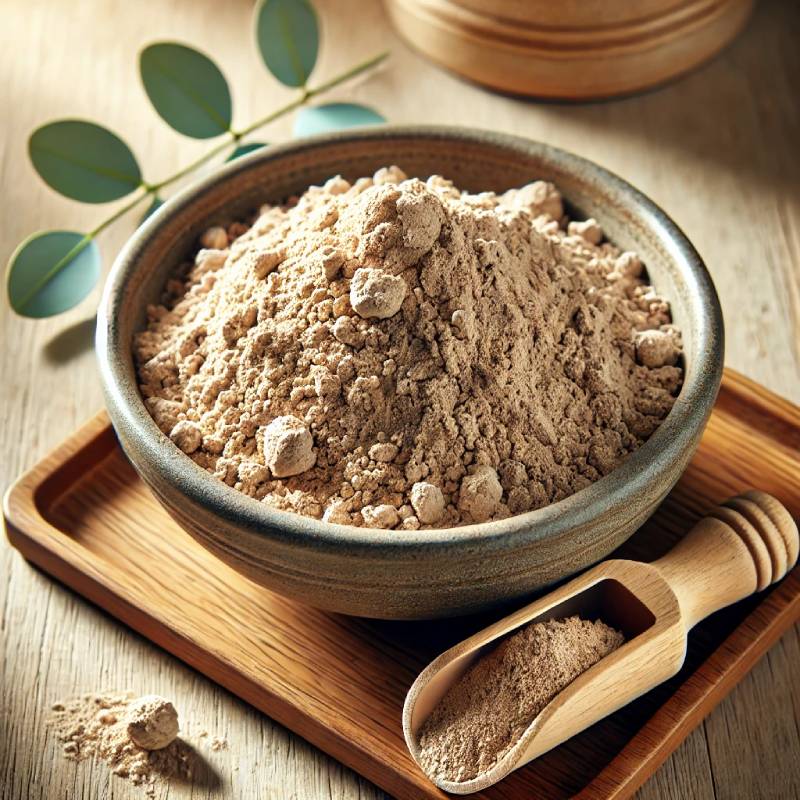
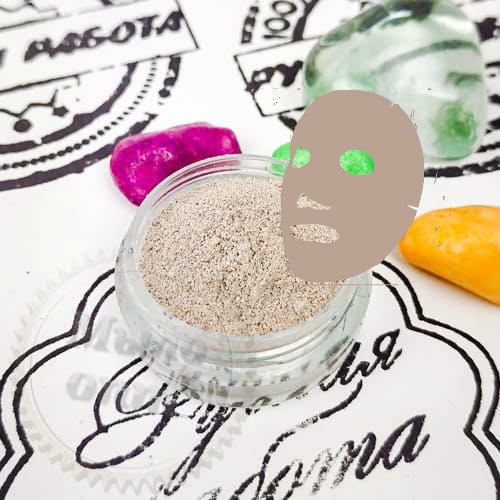
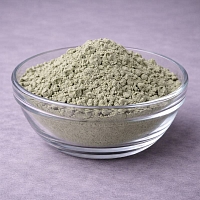
Ghassoul, also known as Moroccan or Atlas clay, is mined in the foothills of the Atlas Mountains and has been used for centuries across North African skincare traditions. The 1 kg pack is suited for busy home practice, small cosmetic studios, and spa cabinets that repackage finished masks or blends for clients on a regular basis. This size covers steady production runs without frequent reordering. The material belongs to the Cosmetic Clay section, which brings together mineral bases used in masks, wraps, and cleansing formulas.
The primary use of ghassoul is facial, body, and hair care. The clay has strong absorbing capacity, gently draws out impurities from pores, reduces excess sebum, and is commonly formulated into masks for oily and combination skin types. Unlike coarser mineral clays, ghassoul is gentle enough for sensitive skin due to its fine particle structure. In hair care, it serves as a natural cleansing agent in shampoos and scalp masks aimed at reducing oiliness without stripping the hair fiber. Beyond personal care, ghassoul is widely used in spa product manufacturing, natural body scrubs, salon body wraps, and as a base for dry mask blends that are packaged and sold as ready kits.
In formulations, ghassoul is added during the cold or slightly warm stage, mixed with purified or mineral water, hydrolate, or a carrier oil until a paste forms. Liquid temperature should stay under 40 degrees Celsius to preserve the mineral particle structure. Recommended dosage in finished masks ranges from 15 to 30 percent of total formula weight depending on the desired texture. The clay pairs well with plant oils, herbal extracts, and other mineral powders: for multi-component masks it can be combined with Red Clay to boost a toning effect on tired skin, or with Yellow Clay for a stronger cleansing action on blemish-prone skin. Another interesting option is blending in Yellow Clay and Celandine when a combination of mineral cleansing with a botanical component is needed.
Store ghassoul in a dry room with low humidity, in a tightly sealed container, away from direct sunlight and heat sources. Under proper storage conditions the clay keeps its properties for a long time. Before production use, sifting the material through a fine sieve is recommended to remove any clumps and achieve a smooth texture in the finished product.
Detox Scalp Mask with Ghassoul and Apple Cider Vinegar
Ghassoul clay - 50 g
Warm water - 100 ml
Apple cider vinegar - 20 ml
Castor oil - 10 ml
Mix the clay gradually into warm water until a smooth lump-free paste forms, then blend in the apple cider vinegar and castor oil until fully combined. Apply the paste to the scalp section by section, massage gently into the roots, leave on for 10 minutes, and rinse thoroughly with warm water before regular shampooing.