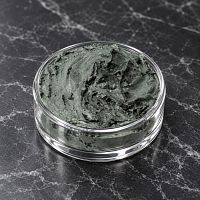
A mineral powder built for salon-scale mask and body-care production
Yellow clay supplied in a 1 kg pack suits studios, small manufacturing lines and skincare brands that mix batches of masks, scrubs and wraps on a regular basis rather than testing a single jar at home. This mineral belongs to the Cosmetic Clay section, which gathers minerals used for cleansing and restorative treatments across skin types. The yellow color comes from natural iron oxides, and the fine particle size keeps the powder easy to blend into a smooth paste even when working with larger volumes.
The biggest real-world demand for this clay comes from professional and home skincare: purifying masks for oily and combination skin, detox body wraps, mineral baths, and mild abrasive scrubs. Spas and wellness centers rely on it in multi-step facial and body programs, while cosmetic manufacturers use it as a base mineral in tube, sachet and jar masks produced on a larger scale. Beyond skincare, yellow clay also finds a place in natural color cosmetics as a mineral filler and in household cleaning pastes that need mild abrasive action.
Yellow clay pairs well with hydrolats, carrier oils such as jojoba, sweet almond or grapeseed, and essential oils like tea tree, lavender or rosemary. For a stronger detox effect it is often combined with the more intensive Black Clay, while sensitive or dry skin formulas dilute it with the gentler Green Clay for Facial Skin. Formulators inspired by Ayurvedic recipes add Multani Mitti Clay for an extra mattifying finish. These combinations let manufacturers design multi-phase masks with different action zones for face and body.
A single mask portion typically needs 20-40 g of clay mixed with liquid until it forms a smooth paste. In industrial formulations, clay usually accounts for 10 to 30 percent of the finished product weight. It should be added at the final stage of cold mixing, never heated above room temperature, to preserve the mineral particle structure and the natural activity of iron in the clay. Store the powder in a dry place away from moisture and direct sunlight, in a tightly sealed container, so it stays free-flowing and does not clump over its shelf life. In soap making, small amounts of yellow clay are occasionally added for a light exfoliating effect, though skincare and color cosmetics remain the primary drivers of demand for this ingredient.
Purifying Clay and Kaolin Body Mask
Yellow clay 80 g
Warm hydrolat or water 110 ml
Sweet almond oil 15 ml
Liquid honey 10 g
Essential oil of rosemary 4 drops
Gradually whisk the warm liquid into the clay until a smooth, lump-free paste forms, then stir in the almond oil and honey until fully incorporated. Add the rosemary essential oil last and mix again briefly. Apply a thick, even layer over clean skin, leave for 15-20 minutes until it starts to tighten, then rinse off thoroughly with warm water.