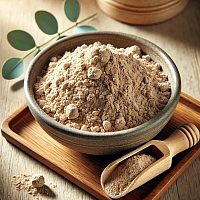
Why Moroccan Ghassoul Deserves a Spot in Small-Batch Formulations
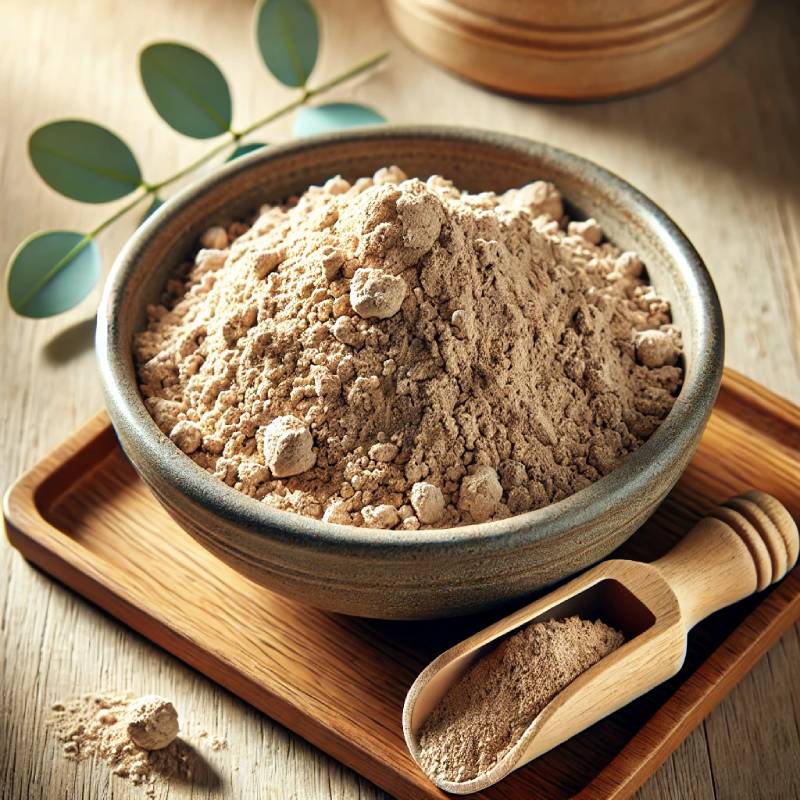
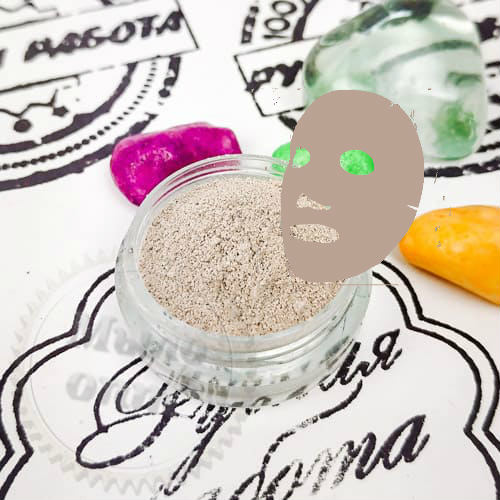
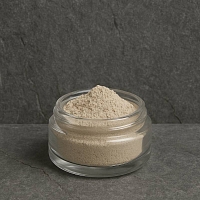
Ghassoul Clay in a 30 gram package is designed for those who want to test this mineral before committing to larger quantities, making it a practical choice for home crafters and small experimental batches. Mined from volcanic deposits in the Atlas Mountains of Morocco, this clay has been valued for centuries for its gentle cleansing action on skin and hair, thanks to its unique layered mineral structure that absorbs excess oil without stripping natural moisture. This item belongs to the Cosmetic Clay category, which brings together various mineral clays used across skincare and haircare formulations, and ghassoul stands out among them for its exceptionally mild profile suitable even for reactive skin types.
The most common applications include facial masks, solid and liquid shampoo bars, hair rinses, and gentle exfoliating powders. When preparing a paste at home, the clay is typically mixed with water, floral hydrosol, or herbal infusion at a ratio of roughly one part clay to two or three parts liquid, depending on the desired thickness. Metal containers and utensils should be avoided since contact with metal can reduce the clay's effectiveness — glass, ceramic, or food-grade plastic are preferred instead. The clay is best introduced once the base has cooled to room temperature, as excessive heat can degrade some of its beneficial mineral compounds.
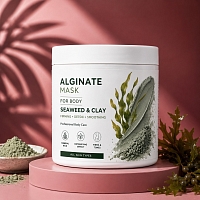
In hair care formulas, ghassoul pairs well with plant oils, while in facial masks it is often blended with other clays to adjust intensity. For a stronger detoxifying effect, it can be combined with Grey Clay, known for its higher mineral concentration and pronounced absorbent power. For thicker masks that create a compress-like effect and stay on the skin longer, Clay Sea Thick is a suitable option, while soothing formulas for sensitive skin often incorporate Cambrian Blue Clay.
Typical dosage in finished products ranges from five to fifteen grams per hundred grams of base, depending on the product type and desired intensity. The clay should be stored in a dry place away from direct sunlight and moisture, in a tightly sealed container to prevent it from absorbing odors or losing its powdery texture. Under proper storage conditions, it retains its properties for an extended period.
Beyond skincare, mineral clays of this type are also studied for use in household cleaning powders and occasionally in natural absorbent applications, though the primary global demand remains firmly centered on skin and hair care products.
Purifying Facial Mask for Combination Skin
Ghassoul Clay 12 g
Rose hydrosol 25 ml
Jojoba oil 2 ml
Honey 5 g
In
a glass or ceramic bowl, combine the clay with warm rose hydrosol, stirring
until a smooth lump-free paste forms, then let it rest for five minutes to
allow the mineral to fully hydrate. Add jojoba oil and honey, mixing thoroughly
with a plastic or wooden spatula. Apply an even layer to cleansed skin,
avoiding the eye area, leave on for ten minutes until slightly firm, then rinse
off with warm water and follow with a regular moisturizer.