Why Blue Clay Remains a Staple in Professional Skincare Manufacturing
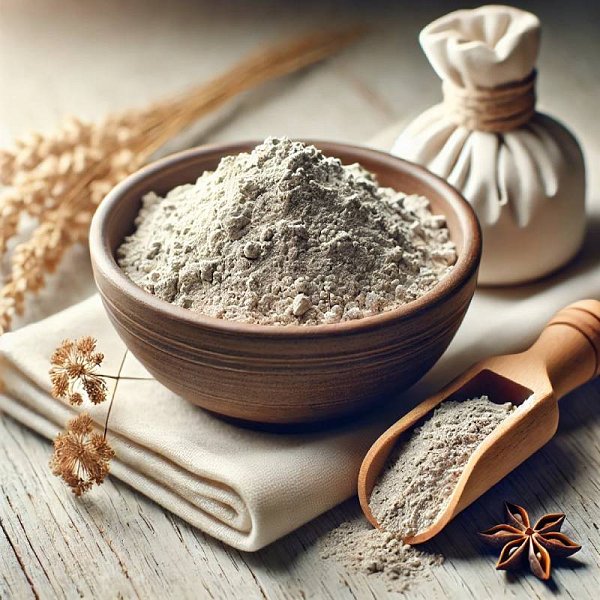
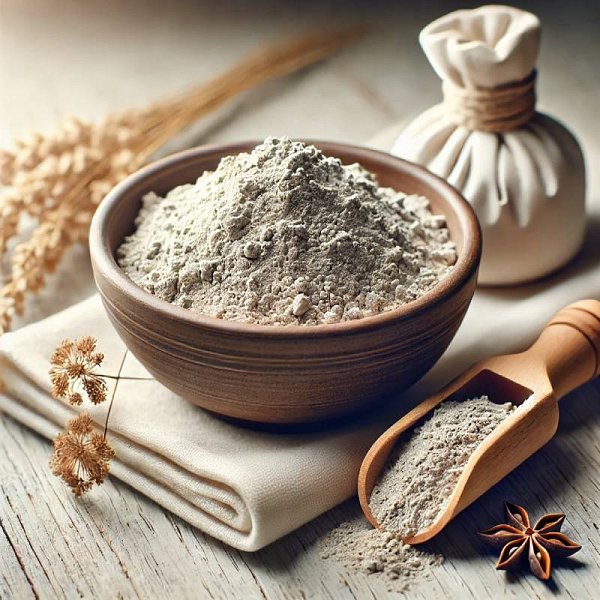
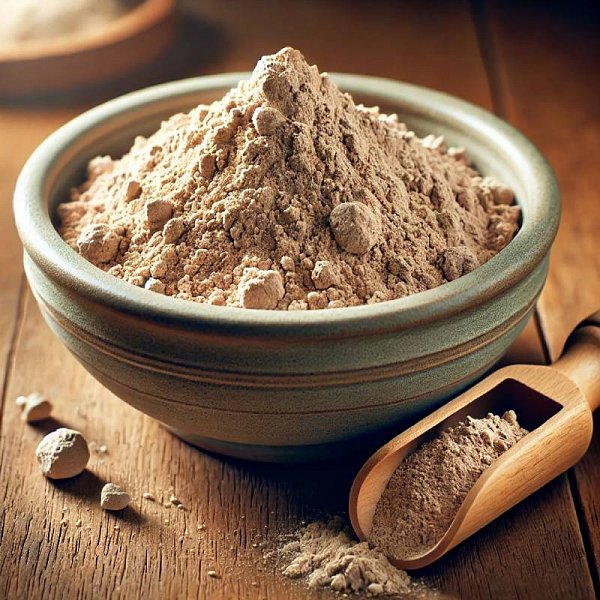
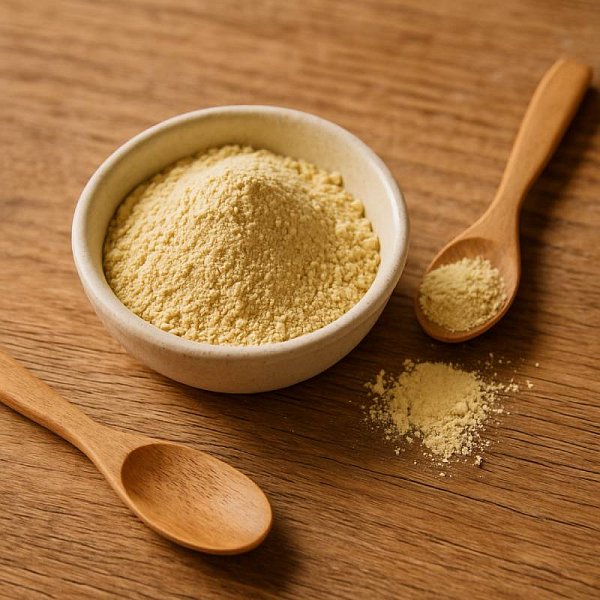
Blue clay belongs to a group of natural mineral sorbents that are widely used across the cosmetic industry, spa product manufacturing, household chemistry, and even in certain agricultural and veterinary applications. Its primary use, however, lies in skincare formulations for face and body, where it is valued for absorbing excess sebum, gently cleansing pores, and leaving the skin with a matte finish. This item belongs to the Cosmetic Clay category, which brings together mineral raw materials of different shades and compositions for a wide range of skincare tasks, from deep cleansing to soothing irritated skin.
The 1 kg packaging is designed for studio-scale and small industrial production: this volume suits skincare studios, spa centers, and manufacturers of masks and scrubs producing batches ranging from dozens to hundreds of finished units. Blue clay maintains stable global demand specifically in this segment, appearing in mud wraps, facial masks, detox products, and formulations targeting oily or blemish-prone skin. The mineral consists mainly of aluminosilicates with traces of iron oxides and other microelements, which give it its distinctive absorbing capacity.
In formulations, clay is typically introduced during the cold phase, diluted with water, hydrolate, or herbal decoction into a paste-like consistency; heating is not required and may actually reduce the mineral's beneficial properties. Standard dosage for masks ranges from 30 to 70 percent of the finished product's weight, while scrubs and wraps usually contain between 10 and 40 percent, with the remainder made up of oils, extracts, and moisturizing ingredients. Blue clay pairs well with other mineral sorbents, such as White Clay Kaolin, allowing manufacturers to create blended formulas with balanced action — kaolin is gentler and suited for sensitive skin, while blue clay works more intensively on oily and problem-prone skin types.
When developing product lines for different skin types, manufacturers often combine several clay varieties within a single range: for tired, redness-prone skin, Blue clay with Calendula is a common choice, while gentler care routines often rely on Clay Pink. This approach lets producers address different audience segments using a shared technological base and common mixing and packaging equipment.
Blue clay should be stored in a dry room with low humidity, in tightly sealed containers, avoiding any contact with water until it is actually used — moisture exposure can cause clumping and reduce the mineral's sorption properties. Under proper conditions, its shelf life is quite long, making it a convenient raw material for building stock reserves in manufacturing. When handling larger volumes, it is advisable to keep the clay in sealed containers with minimal air exposure and protect it from direct sunlight to prevent drying out or changes in powder flow.
Beyond cosmetics, blue clay is used in the production of natural absorbing agents for household chemistry, in certain types of powders, and even in some decorative craft applications. Still, the bulk of demand for this packaging size comes from professional manufacturers of masks, wraps, and spa treatments who need consistent batch quality and predictable behavior of the raw material within a formulation.
Purifying Detox Mask with Blue Clay and Rosemary Infusion
Blue clay — 45 g
Rosemary infusion — 60 ml
Jojoba oil — 5 ml
Cedarwood essential oil — 3 drops
Cool the rosemary infusion to room temperature and gradually pour it into the clay, stirring with a plastic or wooden spatula until you achieve a smooth, lump-free paste. Once the texture is even, add the jojoba oil and cedarwood essential oil, blending thoroughly. Use the mixture within 24 hours, applying a thin layer to the face for 10-15 minutes before rinsing off with warm water.