A Reliable Thickener for Stable Emulsions in Skin and Hair Formulas
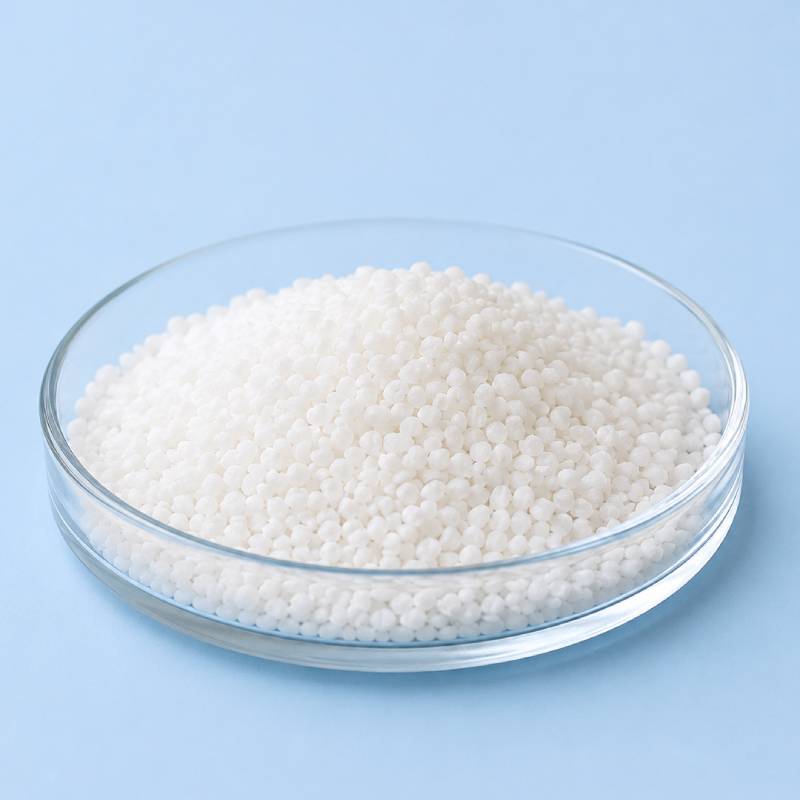
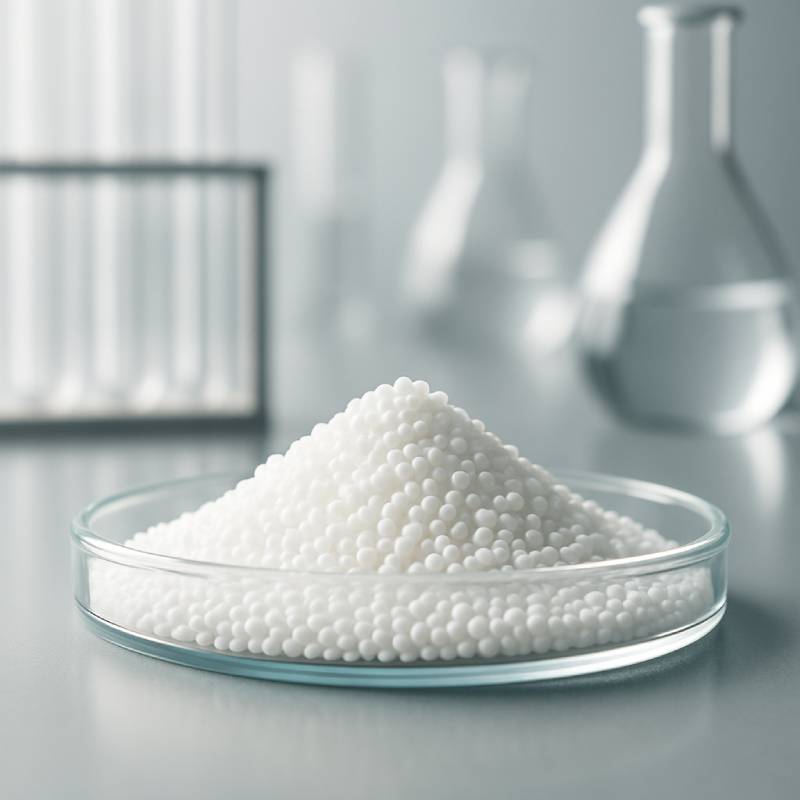
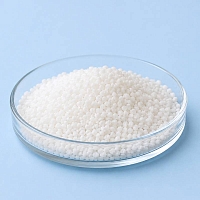
Cetyl stearyl alcohol is a blend of fatty alcohols derived from plant sources, valued across the personal care industry for its ability to thicken and stabilize emulsions while giving finished products a smooth, rich texture. This ingredient belongs to the broader category of acids, salts, alcohols, and alkalis, where reagents used for adjusting consistency and pH are gathered together. The 1 kg pack size suits small cosmetic studios and independent formulators producing medium-sized batches, as well as those testing new recipes before moving toward larger production runs.
The primary use of cetyl stearyl alcohol lies in creams, lotions, balms, and hair conditioners, where it acts simultaneously as a thickener and co-emulsifier. Its ability to form a stable oil phase prevents separation, improves spreadability, and gives the final product a pleasant, velvety consistency. In hair care formulations it is especially appreciated in leave-in conditioners and masks, since it softens the hair fiber and makes detangling easier. Pharmaceutical manufacturers rely on it for ointment and cream bases, while household chemical producers use it in fabric softeners and certain polishing agents that require a stable emulsion structure.
The alcohol is typically introduced into the oil phase during heating, at temperatures between 65 and 75 degrees Celsius, alongside other oils, fats, and waxes. Once fully melted, the oil phase is combined with a water phase heated to the same temperature, ensuring smooth blending without lumps. Standard dosage in cream and lotion formulas ranges from 2 to 8 percent of total mass, depending on the desired thickness: lower concentrations produce light lotions, while higher amounts create dense creams and body butters.
Cetyl stearyl alcohol pairs well with vegetable oils, silicones, non-ionic emulsifiers, and various acids often included in the same formula for pH adjustment or as active ingredients. In exfoliating formulations it is frequently combined with salicylic acid, which provides the exfoliating action while the oil phase softens the skin and prevents excessive dryness. For pH correction and mild preservative support, formulators sometimes use tartaric acid, and in antioxidant-focused blends, small amounts of cinnamic acid are added for extra stability.
The alcohol should be stored in a cool, dry place away from direct sunlight, in a tightly sealed container to prevent oxidation. At room temperature it remains stable for extended periods, making it convenient for studio-scale stock management. Some soap makers also add it to solid bar formulas for extra firmness and creamy lather, though its main role remains firmly within emulsion-based cosmetics.
Rich Hand Cream with a Dense Texture
Cetyl stearyl alcohol 25 g
Shea butter 40 g
Almond oil 30 g
Non-ionic emulsifier 20 g
Distilled water 260 g
Glycerin 15 g
Preservative 5 g
Fragrance 5 g
Melt
the oil phase containing the alcohol, shea butter, almond oil, and emulsifier
over a water bath at 70 degrees until fully dissolved. Separately heat the
water with glycerin to the same temperature, then slowly pour the water phase
into the oil phase while mixing continuously with a hand mixer for about five
minutes until a uniform emulsion forms. Once the mixture cools to 40 degrees,
add the preservative and fragrance, blend thoroughly, and pour into prepared
containers.