Product specifications and handling
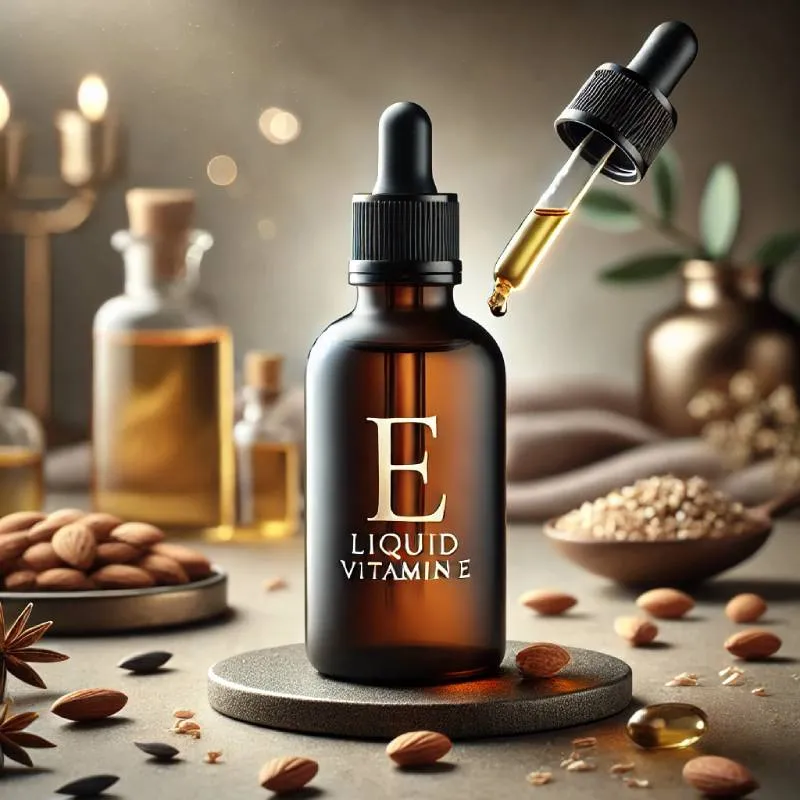
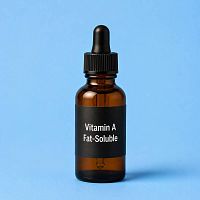
Tocopheryl Acetate appears as an oily substance with neutral odor. INCI name is Tocopheryl Acetate. The 10 ml retail pack originates from Germany and suits small-batch testing by formulators worldwide. Vitamins section lists this ingredient among active raw materials for enrichment of emulsions and serums. The substance supports oxidative stability in finished products and integrates smoothly into both cosmetic and food-grade applications as raw material only. Industrial buyers appreciate the compact size for initial trials before committing to larger volumes in regular production cycles.
Form and solubility profile
The ingredient dissolves readily in fats, oils, glycerin and propylene glycol. Add it during the cooling phase at 35-40 degrees Celsius to preserve activity. Recommended input ranges from 0.01 percent for baby products to 0.05 percent in sun care and aftershave formulas, while wrinkle serums accept up to 1.5 percent. Industrial users select transport packaging for larger production batches. The neutral odor profile ensures no interference with fragrance systems in final formulations across multiple product categories.
Applications for manufacturers
Cosmetic laboratories incorporate Tocopheryl Acetate in emulsions, hair care and body care lines. The compact pack allows precise dosing trials before scaling. Vitamin E Oil 1 L covers regular industrial volumes. Compatibility extends to most base oils and emulsifiers used in modern production lines. Formulators report consistent performance when the ingredient is added at the correct temperature and phase.
Example hair serum formulation
Jojoba oil 40 ml, Tocopheryl Acetate 0.8 percent, argan oil 20 ml, squalane 15 ml, additional tocopherol 0.2 percent. Blend all components at room temperature and fill into dark containers for storage and distribution to end users.
Role as raw material in food production
Manufacturers purchase the substance as raw material for dietary supplements and as a preservative for vegetable oils. Vitamins wholesale supports continuous supply for factories. The neutral profile ensures minimal impact on final sensory characteristics of food blends and supplement bases produced in controlled environments.
Additional formulation considerations
Formulators often pair Tocopheryl Acetate with other antioxidants to extend shelf life of sensitive oils. Temperature control remains critical during incorporation. The product maintains stability when stored correctly and shows consistent performance across pH ranges typical for cosmetic emulsions and food-grade mixtures. Many production teams conduct small-scale tests with the 10 ml pack prior to ordering bulk quantities.
Storage conditions
Keep in a cool dark place in tightly closed containers until 10.2028. After opening, use contents within several months to retain maximum efficacy in both cosmetic and food raw material applications. Proper handling prevents premature oxidation and maintains the quality of the oily substance throughout its shelf life.
Frequently asked questions
What is the typical input percentage?
Between 0.01 percent and 1.5 percent depending on the final product type.
At what temperature should it be added?
During the cooling phase at 35-40 degrees Celsius.
Is it suitable for production batches?
Yes, transport packaging is available for wholesale volumes.
With which solvents is it compatible?
Fats, oils, glycerin and propylene glycol.