Specification and handling of Ascorbic Acid powder
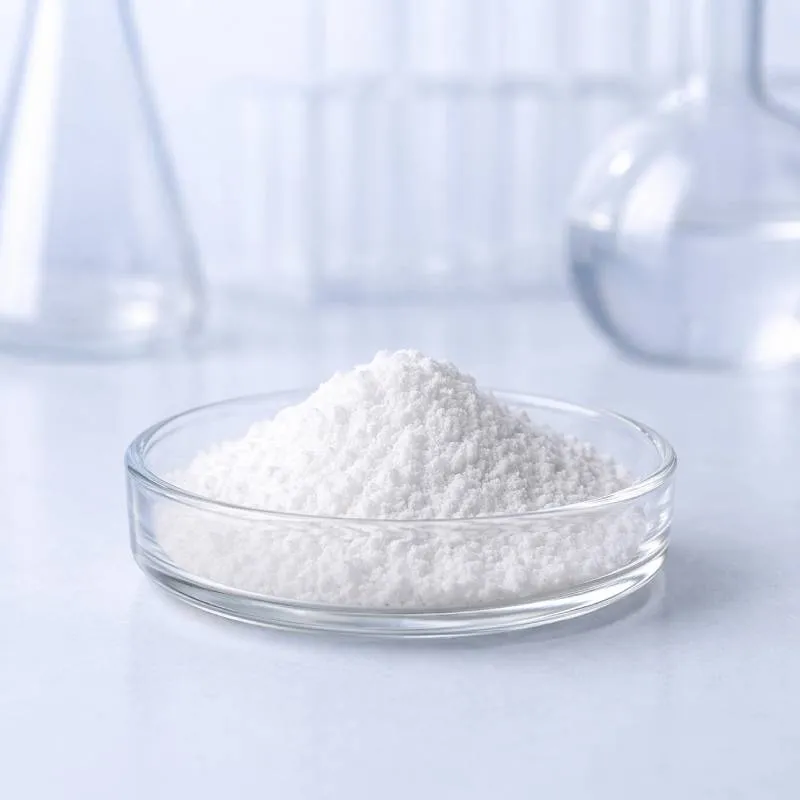
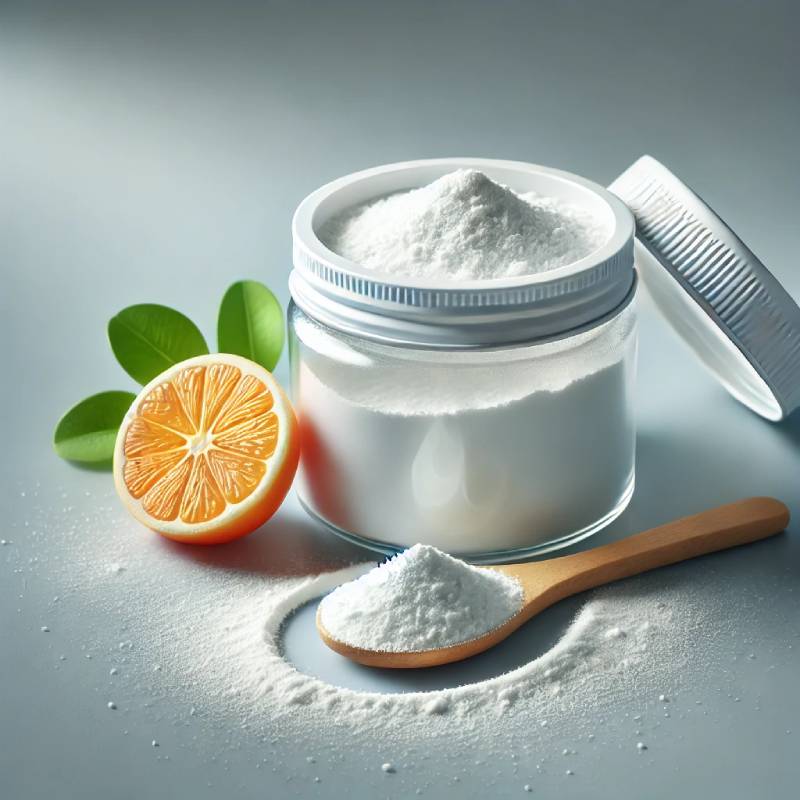
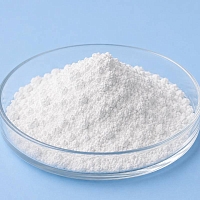
Ascorbic Acid, INCI Ascorbic Acid, arrives as a white crystalline powder with neutral odor produced in Germany. The retail pack Vitamin C 10 g supports laboratory testing and small batch development by formulators worldwide. Vitamins category groups this active ingredient alongside related derivatives for custom recipe building. The powder exhibits high purity and consistent particle size suitable for precise weighing in both cosmetic and food-grade applications. Handling requires gloves and a dry environment to prevent moisture uptake that could initiate premature oxidation.
Form characteristics and solubility profile
The material dissolves readily in water and alcohol while remaining insoluble in oils. It demands an acidic environment for optimal performance and enters formulations exclusively during the cool-down phase at temperatures no higher than 35-40 °C. Typical usage levels span 0.1-3%, with 0.8-2% recommended for serums, 0.2-1% for sunscreen products, 0.2-2% for daily skin care, 0.1-0.5% for hair care, 2.5-3% for brightening blends, and 1-1.5% for shampoos. These ranges allow adjustment according to desired intensity and stability requirements of the final emulsion or solution.
B2B sourcing for cosmetics and food manufacturing
International buyers acquire the ingredient primarily as raw material for dietary supplements and processed foods where it functions as a color stabilizer in beverages, canned goods, and confectionery items. Production batches benefit from the compact 10 g size when validating new recipes before scaling. Vitamin C 1 kg provides the next logical volume once pilot tests confirm compatibility. The same powder supports both cosmetic emulsions and food blends without requiring separate certifications for each sector.
Example hair serum formulation
Distilled water 80 g, glycerin 4 g, ascorbic acid 0.8 g, panthenol 1 g, broad-spectrum preservative 0.6 g. First combine water and glycerin, dissolve the ascorbic acid powder completely while avoiding metal utensils, then incorporate panthenol and preservative once the mixture cools below 35 °C. Package the finished serum in opaque airless containers to limit light and oxygen exposure during consumer use.
Phase incorporation and batch scaling guidance
During manufacturing avoid metal contact during dissolution to preserve activity. For larger production runs the section Vitamins wholesale lists comparable pack sizes suitable for factory scheduling and inventory planning. Temperature control remains critical because elevated heat accelerates degradation even in short mixing cycles.
Storage conditions and documented shelf life
Store the sealed container in a cool dry location away from direct light. The material maintains integrity until 10.2028 when kept hermetically closed. Once opened, transfer any unused portion to a smaller airtight vessel to minimize headspace and slow oxidation that manifests as yellowing.
Frequently asked questions
What pH range ensures stability?
The ingredient performs best in acidic conditions below pH 4.
Is the 10 g pack suitable for food-grade blends?
Yes, it is purchased as raw material for food products and supplements.
How to prevent discoloration during mixing?
Use non-metal utensils and minimize air incorporation.
What is the recommended storage after opening?
Reseal immediately and store away from light and moisture.