Calcium Bisglycinate: High-Bioavailability Mineral for Advanced Supplementation
Introducing Calcium Bisglycinate, a superior form of the essential mineral calcium. Unlike common calcium salts such as calcium carbonate, this product is a calcium amino acid chelate, where the calcium molecule is bonded to two molecules of the amino acid glycine. This chelation process significantly enhances the bioavailability and absorption of calcium in the body, minimizing the risk of digestive discomfort often associated with less absorbable forms. Calcium Bisglycinate is highly valued in the nutraceutical and supplement industry for creating highly effective and gentle formulations targeting bone health, nerve function, and overall mineral balance.
Product Description and Key Bioactive Properties
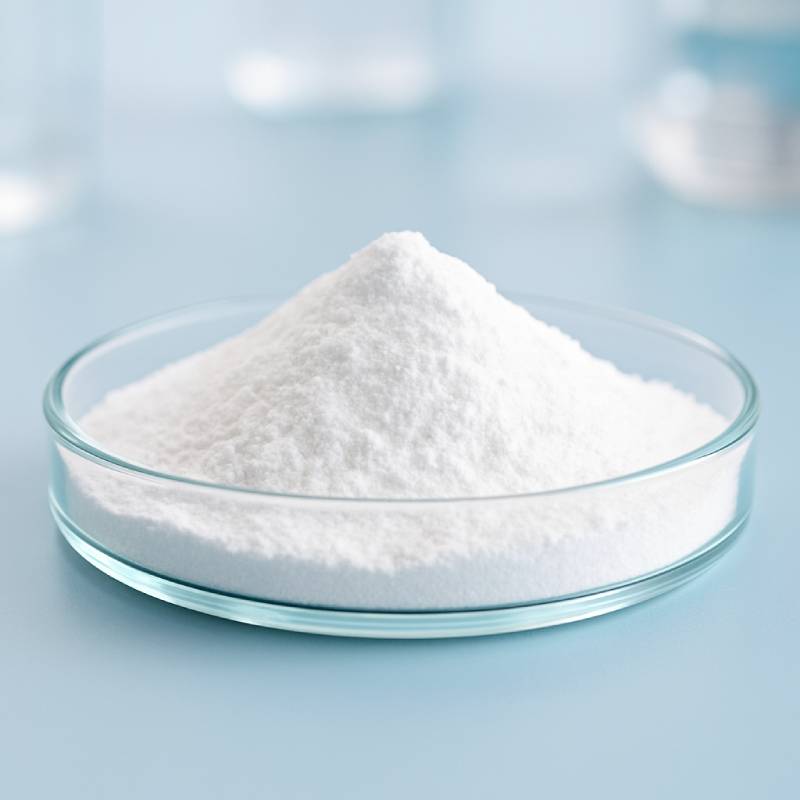
Calcium Bisglycinate is typically sold as a fine white powder or granulated material, easily incorporated into capsules, tablets, and powders. Its unique chelated structure mimics the body's natural method of absorbing minerals, leading to better utilization. The presence of glycine also offers potential synergistic benefits.
Key properties and advantages:
-
High Bioavailability: Recognized for its superior absorption rate compared to non-chelated calcium salts (like carbonate or oxide), ensuring more calcium reaches the bones and tissues.
-
Gentle on the Stomach: The chelated form is less likely to cause gas, bloating, or constipation, making it suitable for individuals with sensitive digestive systems.
-
Essential Mineral Source: Provides the necessary elemental calcium required for bone density, skeletal structure, and tooth health.
-
Support for Nerve and Muscle Function: Calcium is crucial for nerve transmission, muscle contraction, and blood clotting.
-
pH Neutrality: Unlike some calcium forms that require stomach acid for dissolution, Calcium Bisglycinate is absorbed readily, making it effective even for individuals with low stomach acidity.
-
Clean Label Appeal: Appeals to consumers seeking chelated minerals and "clean label" ingredients in their supplements.
Applications and Usage Areas
Calcium Bisglycinate is primarily a raw material for the health and nutrition industry, available for formulation into various supplement products worldwide.
Dietary Supplements (Capsules/Tablets): The main application is in manufacturing oral supplements designed to support bone mineralization, prevent deficiency, and maintain healthy calcium levels.
Powdered Drink Mixes and Effervescents: Due to its relatively good solubility and neutral taste profile compared to some other mineral salts, it is used in calcium-fortified drink mixes and specialized sports nutrition products.
Prenatal and Maternal Health Supplements: Essential in prenatal vitamins and supplements for breastfeeding mothers, where calcium demand and the need for gentle absorption are critical.
Bone and Joint Health Formulas: Combined with other bone-supporting ingredients like Vitamin D3, Vitamin K2, and Magnesium in synergistic formulas targeting osteoporosis prevention and long-term skeletal support.
Functional Foods and Fortification: Used on a limited basis to fortify functional foods or meal replacement powders where high mineral bioavailability is required without imparting a strong chalky taste.
Specialized Nutritional Blends: Included in custom nutritional blends for athletes or individuals with specific dietary restrictions (e.g., lactose intolerance) who require highly absorbable mineral sources.
Recipe: High-Absorption Calcium and Magnesium Complex Powder
A simple, powdered formulation that combines highly absorbable chelated minerals for optimal bone and nervous system support.
Ingredients:
-
Five hundred grams Calcium Bisglycinate Powder (Primary Calcium Source)
-
Two hundred fifty grams Magnesium Bisglycinate Powder (Synergistic Mineral)
-
Two hundred grams Inulin or Maltodextrin (Flow Agent/Filler)
-
Fifty grams Citric Acid (Flavor enhancer, optional)
-
One milliliter Natural Flavoring (e.g., Lemon or Orange)
Instructions for Preparation:
First Step: Ensure all powders (Calcium Bisglycinate, Magnesium Bisglycinate, and Inulin/Maltodextrin) are completely dry and free-flowing.
Second Step: In a large industrial or laboratory blender, first combine the flow agent (Inulin or Maltodextrin) and the Citric Acid. Blend lightly to ensure even distribution.
Third Step: Introduce the Calcium Bisglycinate Powder and the Magnesium Bisglycinate Powder into the blender. Blend thoroughly using an appropriate mixing method (V-blender, ribbon mixer, etc.) to achieve a uniform mineral distribution.
Fourth Step: Introduce the liquid natural flavoring. This must be done carefully, usually by spraying or slowly dripping while the powder is being mixed, to prevent clumping and ensure the flavor is evenly dispersed throughout the mineral powder.
Fifth Step: Package the finished powder into airtight, moisture-proof containers (e.g., sealed pouches or jars) immediately after mixing to maintain stability.
Recommendations for Application and Storage:
-
Serving Size: A common adult serving size for Calcium Bisglycinate is calculated to deliver 200mg to 500mg of elemental calcium per dose. The final serving size of this recipe should be determined based on the elemental calcium content of the raw material.
-
Usage: The powder can be mixed with water, juice, or added to a smoothie. The chelated form does not require food for optimal absorption, but many consumers prefer taking minerals with a meal.
-
Stability: Calcium Bisglycinate is highly stable. However, the finished powder should be stored in a cool, dry place, away from humidity, as moisture can cause clumping and reduce shelf life.
-
Synergy: Always recommend pairing calcium supplementation with sufficient Vitamin D intake, as Vitamin D is essential for the intestinal absorption of calcium.