Why rice powder remains a staple abrasive for gentle skin resurfacing formulas
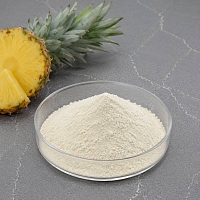
Japanese rice scrub powder is finely milled rice grain that has been used across Asian skincare traditions for centuries thanks to its gentle mechanical action on the skin surface without the micro-tears often caused by coarser abrasives. This 1 kg pack size is aimed at studio and industrial-scale manufacturers who need a reliable volume of raw material for regular batch production of scrubs, masks, and powders. The product fits naturally into the Scrubs for Cosmetic Production category, which brings together abrasive ingredients used across various cosmetic formulations.
The primary application of rice powder lies in the manufacture of cream scrubs, dry masks, powder cleansers, and facial cleansing sponges. Beyond cosmetics, milled rice is also used in natural household cleaning formulations and in the food industry for puddings and baked goods, though the strongest global demand for this ingredient comes from skincare and decorative cosmetics manufacturers. The powder absorbs excess sebum effectively, which is why it is frequently incorporated into mattifying masks and cleansing powders designed for oily and combination skin types.
When formulating, rice powder should be added during the cold phase, typically after preparing the base emulsion or dry blend, at a temperature not exceeding 40 degrees, to avoid denaturing the starch compounds and losing the desired abrasive texture. Recommended dosage in finished products ranges from 5 to 20 percent of the total formula weight, depending on the exfoliation intensity required. This ingredient blends well with plant oils, clays, extracts, and other abrasive particles: it can be combined with pumpkin scrub to create multi-fraction peeling textures with varying particle sizes, or paired with fruit-based particles similar to those found in Papaya and Passion Fruit Body Scrub for a more pronounced aromatic and textural effect. For industrial lines where consistent particle uniformity matters, rice powder is sometimes combined with synthetic beads such as Polyethylene microbeads Orange to add a visual highlight to the finished product.
The powder should be stored in a dry space away from moisture and direct sunlight, in a sealed container, which prevents clumping and off-odors developing over extended storage periods. When storage conditions are respected, the product retains its technological properties for a long period, making it a convenient raw material for warehouse stock at manufacturing facilities. The 1 kg format is particularly popular among technologists organizing steady supply chains for continuous production lines, as well as studios working with large volumes of raw material across multiple product ranges simultaneously.
Rice and honey polishing mask
Rice powder 45 g
Kaolin clay 25 g
Distilled water 55 ml
Sweet almond oil 10 ml
Honey 8 g
Combine the rice powder and kaolin clay in a dry container until evenly blended, then gradually add water while stirring to form a smooth paste without lumps. Add the almond oil and honey, mixing thoroughly until the texture is uniform. Transfer the finished mask into wide-neck jars and store in a cool, dry place away from direct light.