Why This Antimicrobial Compound Dominates Modern Disinfection Formulas
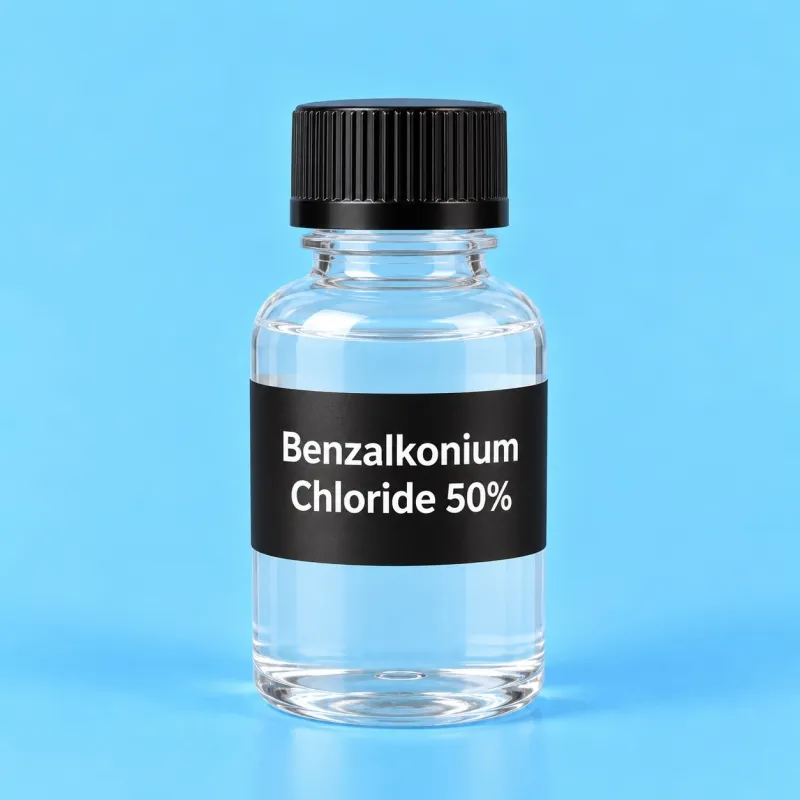
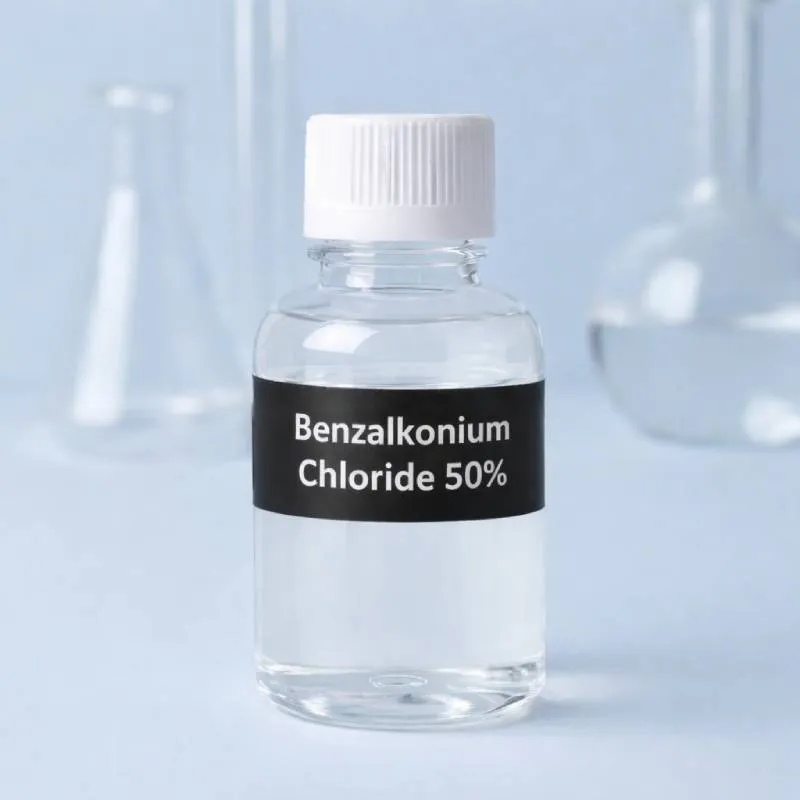
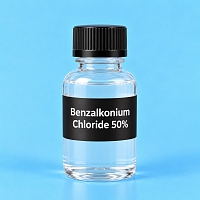
Benzalkonium chloride at 50% concentration, packed in a 1 kg container, is a versatile antimicrobial and preservative raw material that has become a cornerstone ingredient across multiple industries worldwide. It belongs to the Biocides category, which unites substances with strong antimicrobial activity against bacteria, fungi, and certain viruses. This activity drives the largest share of global demand — hand sanitizers and surface disinfectants, where the compound serves as the primary active ingredient rather than a supporting additive.
Beyond sanitary products, this raw material is heavily used in industrial and household chemistry: disinfecting solutions for food production facilities, veterinary environments, livestock farms, water treatment systems, and swimming pools. In agriculture, it disinfects equipment and containers that come into contact with produce, while the textile industry applies it as an antimicrobial finish for fabrics. A steady secondary market exists in cosmetics, where the compound functions as a preservative in shampoos, conditioners, and skincare formulas, protecting finished products from microbial contamination throughout their shelf life.
Handling the concentrate requires precision: working solutions for sanitizers typically contain 0.05 to 0.5 percent active substance, while surface disinfectants may require up to 1-2 percent depending on contamination levels. The compound should be added at the final formulation stage, at temperatures not exceeding 40 degrees, to prevent breakdown of the active molecule. It pairs well with nonionic and cationic surfactants along with cellulose-based thickeners, but performs poorly with anionic surfactants, since charge neutralization can significantly reduce its antimicrobial effect.
In cosmetic hand sanitizer formulas, manufacturers frequently add moisturizing components to offset the drying effect of alcohol or biocidal bases. Amino acids are commonly introduced for this purpose — for instance glycine for its hydrating properties, along with valine and tyrosine, which support the skin barrier after repeated contact with disinfecting agents.
The 1 kg package size suits small-batch and studio-scale production, allowing formulators to test sanitizer, disinfectant spray, or preserved cosmetic recipes before scaling to larger volumes. Store the concentrate in a tightly sealed container, in a cool dark place away from direct sunlight and strong oxidizing agents.
Livestock Facility Disinfectant Solution
Distilled water 920 ml
Benzalkonium chloride 50% 20 ml
Glycerin 15 ml
Citric acid 5 g
Eucalyptus essential oil 5 ml
Dissolve citric acid in warm water at around 35 degrees to stabilize the solution's activity, then slowly add benzalkonium chloride while stirring continuously. Blend in glycerin to reduce surface residue buildup, and finish with eucalyptus essential oil for added antimicrobial support and scent. Transfer the finished solution into labeled containers suitable for spraying equipment, tools, and enclosure surfaces in livestock or agricultural settings.