How a Lightweight Coconut-Derived Ester Elevates Skincare Texture
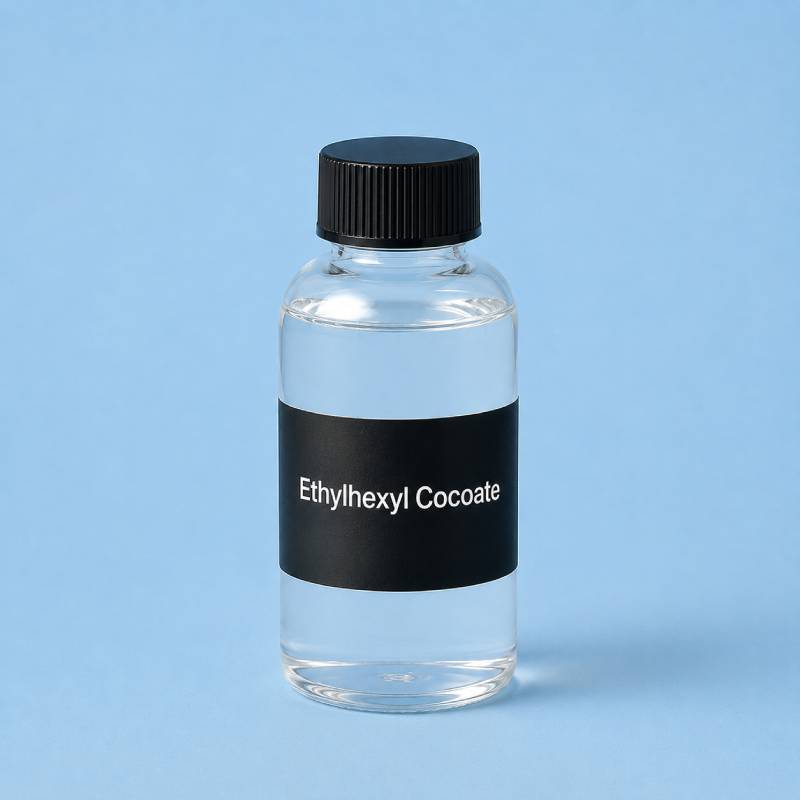
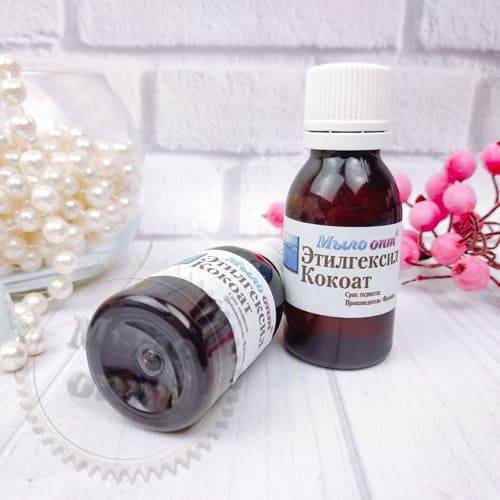
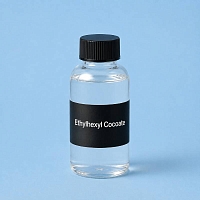
Ethylhexyl Cocoate is a synthetic ester produced from coconut-derived fatty acids and a fatty alcohol. It belongs to the category of emollients for cosmetics, ingredients responsible for glide, spreadability and the silky, non-greasy feel of a finished formula on skin. Unlike heavier vegetable oils, this ester has a dry-touch, almost powdery finish, which is why formulators rely on it in daytime facial creams, lightweight lotions, sunscreens and massage products. The primary demand for this raw material comes from the cosmetic manufacturing sector, where it is used in body lotions, anti-aging creams, lip balms and after-sun care to avoid tackiness while keeping the skin feeling smooth.
The 25 gram packaging is well suited for home formulators and small labs running trial batches before scaling up to larger production. Such a small quantity allows precise, cost-effective testing of new cream, emulsion or balm formulas without committing to a bulk pack of an ingredient that is only needed in small percentages. In finished products the typical usage level ranges from 3 to 10 percent of the total formula weight, depending on the desired texture and product category.
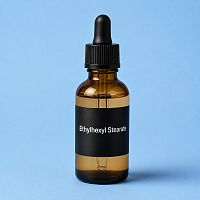
Ethylhexyl Cocoate is added to the oil phase of an emulsion during the melting stage, together with waxes, oils and other lipid-soluble ingredients, at a temperature of roughly 60-70 degrees Celsius. It pairs well with the slightly heavier-feeling Ethylhexyl Stearate, which lends creams a richer, more cushiony consistency, and combines nicely with the gentle conditioning agent Polygreen Sensolive for formulas aimed at sensitive skin. When extra emulsion stability and softening are needed, many formulators also turn to Hydrogenated Palm Glycerides Citrate, which complements the ester and improves the overall uniformity of the final texture.
Store this raw material in a tightly sealed container, in a cool dry place away from direct sunlight and temperature fluctuations. Under these conditions the ester retains its properties for a long period without changes in structure. Beyond cosmetics, similar esters occasionally appear in household chemical formulations to soften creamy textures, though the largest share of global demand still comes from skincare and color cosmetics manufacturing.
Fast-absorbing lightweight hand cream
Distilled water 60 ml
Ethylhexyl Cocoate 5 ml
Cosmetic emulsifier 4 g
Shea butter 6 g
Glycerin 3 ml
Panthenol extract 2 ml
Fragrance oil 3 drops
Heat the water phase to 70 degrees Celsius, and separately melt the shea butter together with the emulsifier and the ester at the same temperature until uniform. Pour the oil phase into the water phase in a thin stream while stirring continuously until a smooth emulsion forms, then cool the mixture to 40 degrees, add the glycerin, panthenol and fragrance oil, stir until fully cooled and transfer the cream into a clean jar.