Product catalog
-
 Absolutes
-
 Active Complexes
-
 Actives and Peptides for Cosmetics
-
 Amino Acids
-
 Food Flavorings
-
 Ayurveda
-
 Vitamins
-
 Gelling Agents and Thickeners
-
 Hydrosols and Floral Waters
-
 Hydrolyzed Proteins
-
 Fragrant and aromatic substances
-
 Acids, Salts, Alcohols, and Alkalis
-
 Preservatives and Antioxidants
-
 Cosmetic Raw Materials
-
 Dyes, Pearlescents, and Glitters
-
 Face Masks, Scrubs, and Dried Flowers
-
 Oils, batters, macerates, oil mixtures
-
 Candle Supplies
-
 Melt and Pour Soap Bases
-
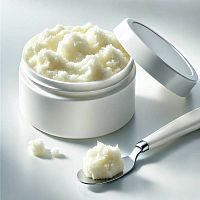
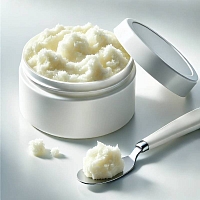
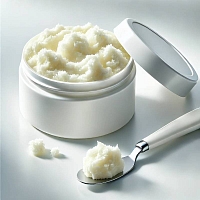
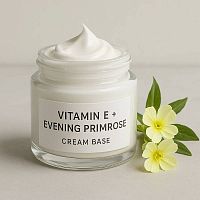
 Base for cosmetics, cream, serum, shampoo
-
 Fragrance Oils
-
 Surfactants
-
 Peelings for Skin
-
 Herbal Powders and Plant
-
 Silicones and Conditioning Surfactants for Hair
-
 Raw materials for dietary supplements
-
 Packaging for Cosmetics and Perfumes
-
 Molds, Packaging, Tools
-
 Organic Extracts
-
 Emollients for Cosmetics
-
 Emulsifiers
-
 Essential Oils
Мастер классы, рецепты, советы


Блеск для губ с уходовыми маслами и безопасной отдушкой: формула и технология
Эта статья представляет собой подробный гайд по созданию блеска для губ, который не только придает сияние, но и активно ухаживает за кожей. В ней объясняется, как правильно подбирать уходовые масла, воски и другие компоненты для стабильной и эффективной формулы. Особое внимание уделяется выбору безопасной отдушки, которая не вызывает раздражения. Статья содержит три пошаговых рецепта с разными комбинациями масел и пигментов, а также рекомендации по технологии приготовления, включая правильный температурный режим и фасование. Материал предназначен для тех, кто хочет с
Скраб с кофе и энзимами готовим отшелушивающее средство по профессиональной формуле
Эта статья представляет собой детальное руководство по созданию скраба, который сочетает механическое отшелушивание молотым кофе и химическое — с помощью энзимов. В ней объясняются полезные свойства каждого компонента, а также синергетический эффект их сочетания. Статья содержит три пошаговых рецепта, адаптированных для разных типов кожи, а также рекомендации по правильной технике приготовления, подбору компонентов и хранению готового продукта. Материал предназначен для тех, кто хочет получить профессиональны
Рецепт увлажняющего шампуня с мягкими ПАВами экстрактом алоэ и протеинами шелка
Эта статья представляет собой подробное руководство по созданию домашнего увлажняющего шампуня. В ней объясняется, почему важно использовать мягкие ПАВы для бережного очищения волос, а также раскрываются полезные свойства ключевых ингредиентов: экстракта алоэ для увлажнения и заживления кожи головы, и протеинов шелка для придания блеска и силы волосам. Статья содержит три пошаговых рецепта, адаптированных для разных типов волос, а также рекомендации по правильной технике приготовления, подбору компонентов и хранению готового продукта. Материал предназначен для тех, кто хочет перейти на более натуральный и индивидуальный уход за волосами.


 Add to cart
 Buy in 1 click

 Add a review
 To favorites
 To compare