What makes liquid shea butter a practical choice for small-batch formulations
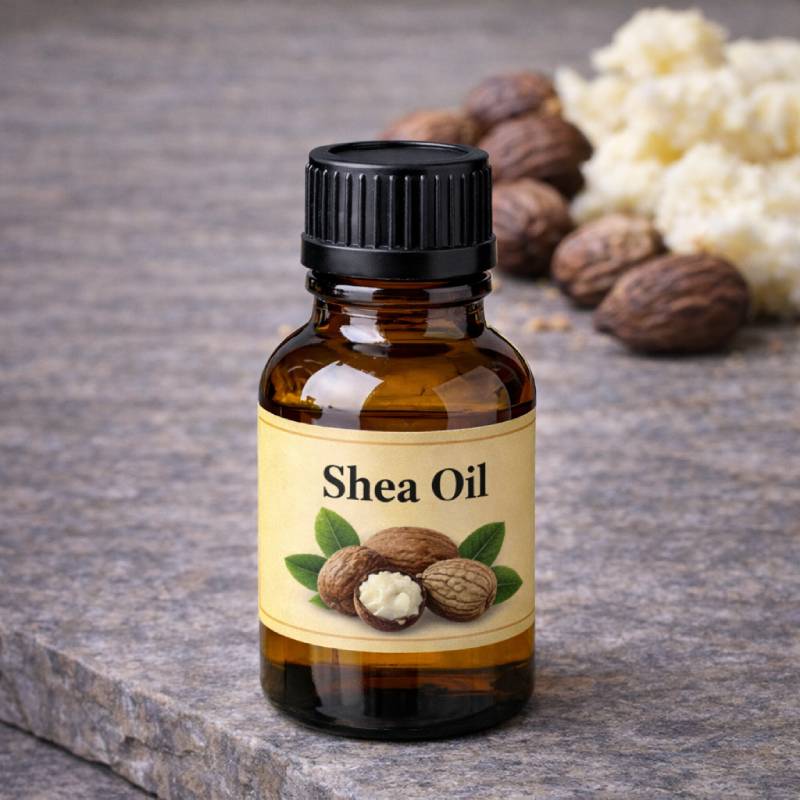
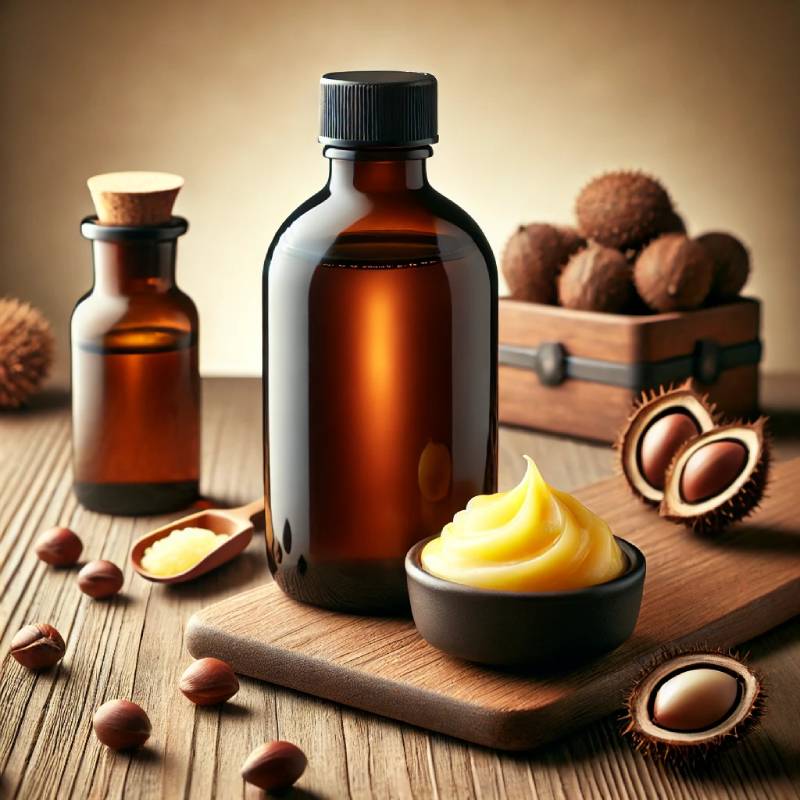
Shea butter, often called karite oil in its region of origin, typically solidifies at room temperature and requires melting before use, but its decrystallized liquid form retains all the valuable properties of the raw material while staying pourable and easy to dose without preheating. This makes it especially convenient for home cosmetic making and small trial batches, when a formulator wants to test a new cream or lip balm recipe without committing to a large volume of raw material. The 50 ml size is a practical choice for experimenting with new blends before scaling up production. This oil belongs to the category of Liquid Basic Oils, which brings together base components that stay fluid at room temperature and blend easily with one another.
The primary application of liquid shea butter is skin and body care, where it is valued for softening, nourishing and restoring the skin's natural lipid barrier. It is widely used in creams for dry and sensitive skin, lip balms, after-sun products, as well as hair care items such as masks and leave-in serums for damaged ends. Beyond the cosmetic industry, shea butter is also used in pharmaceutical formulations as a base for ointments, and in the food industry certain fractions of shea oil serve as a cocoa butter equivalent in confectionery and chocolate coating production in several countries, giving this raw material genuine industrial demand well beyond personal care alone.
In formulations, liquid shea butter blends easily with other fluid vegetable oils, allowing the creation of multi-component oil complexes without the need for heating. It pairs well with liquid Cocoa Oil, boosting the nourishing profile of the blend, and with mango liquid Oil, which adds a lighter texture and faster absorption to the finished product. Adding liquid stone oil can further improve the stability and sensory feel of the composition. A typical usage rate for shea butter in finished cosmetic products ranges from 3 to 15 grams per 100 grams of formula, depending on the desired richness. It should be introduced during the oil phase blending stage, at temperatures not exceeding 40-45 degrees if the recipe requires heating, or added cold when preparing anhydrous balms and serums. The oil should be stored in a tightly closed container, in a cool dark place away from direct sunlight and heat sources to preserve its properties throughout the shelf life.
Soothing hand and cuticle balm
Liquid shea butter 15 ml
Liquid Cocoa Oil 8 ml
Mango liquid Oil 5 ml
Beeswax 6 grams
Vitamin E 1 ml
Melt the beeswax gently over a water bath until fully liquid, then remove from heat and slowly stir in the shea butter, cocoa oil and mango oil until the mixture becomes smooth and uniform. Once the blend has cooled slightly but remains pourable, add the vitamin E and mix thoroughly. Pour the finished balm into small tins or tubes and allow it to set at room temperature for a few hours before use.
FAQ
Refined vs unrefined grade of liquid shea butter 50 ml and what changes?
INCI remains Shea oil regardless of grade.
What is the shelf life of liquid shea butter, signs of rancidity and how to slow it?
Shelf life for this batch is until 10.2028. Store in a cool, dry place protected from light after opening. Check the label for the expiry date.
What is the recommended input percentage and phase of addition for liquid shea butter?
Recommended input is 5 to 20%. Add in the oil phase. Exact usage depends on the formulation.
What is the texture of liquid shea butter: viscosity and absorption?
It is an oily liquid at room temperature with characteristic smell. Viscosity and absorption details are listed in the specification available on request.