Refined Shea Butter for Large-Batch Skincare and Confectionery Production
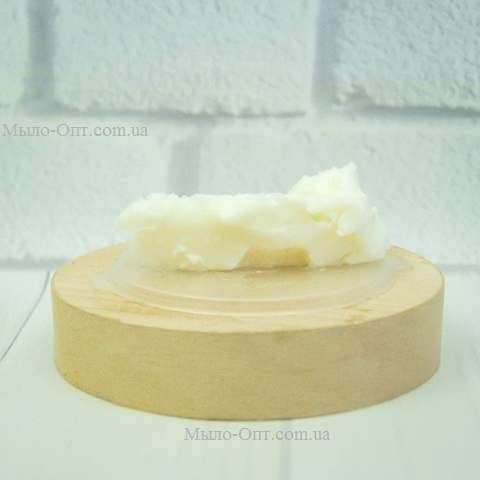
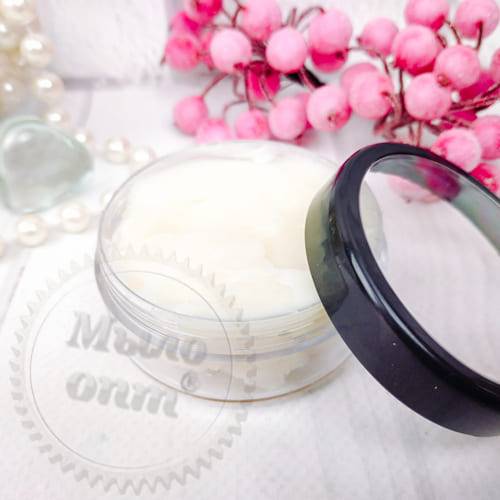
Refined karite butter, also known as shea butter, supplied in a 900 gram pack, is a dense plant fat obtained from the nuts of the shea tree that grows across the West and Central African savanna. Refining removes the natural nutty scent along with much of the raw impurities while preserving a rich profile of fatty acids and phytosterols, which is why this fat is valued well beyond home cosmetic making. This product belongs to the category of butters, a group of dense plant fats prized for their emollient and stabilizing qualities in both small laboratories and full production lines.
Globally, the strongest demand for shea butter comes from three sectors: personal care manufacturing, pharmaceutical production, and the food industry. In personal care it forms the backbone of body butters, lip balms, hand and foot creams, hair conditioners and masks for dry or damaged hair, thanks to its ability to soften skin and reduce moisture loss while blending smoothly with other fats. Pharmaceutical applications include ointment bases and protective formulations for rough or chapped skin. In the food sector, refined shea fat is widely used as a cocoa butter equivalent in confectionery and chocolate coating production, which makes a 900 gram pack particularly convenient for small-scale food technologists testing formulations before scaling up.
Refined shea butter belongs to the category of Solid Oils and Butters Wholesale and serves as a base ingredient for creams, balms and products for dry skin.
Shea butter is softer than cocoa butter, so many formulators blend it with firmer fats to fine-tune the final texture. A common pairing is unrefined cocoa butter, which adds firmness and improves stability in warmer storage conditions. For formulas aimed at troubled or irritated skin, chemists often introduce a small amount of unrefined neem seed oil, while aromatic balms and muscle or joint rubs benefit from adding unrefined bay laurel oil, which contributes a warm herbal note along with additional functional properties.
Shea butter should be introduced into the oil phase at 65 to 75 degrees Celsius, then cooled with continuous stirring until it thickens. In leave-on products such as lip balms and body butters, dosage typically ranges from 10 to 50 percent of the total mass, and in some dense balms it can serve as nearly the sole fat. In cream-type emulsions, 5 to 15 percent is usually enough to deliver a noticeable softening effect. The 900 gram size suits studio-scale production and early-stage industrial batches, where a predictable, consistent raw material supply matters more than single trial quantities.
Store in a tightly sealed container in a cool dark place away from direct sunlight at or below room temperature to preserve the dense texture.
Rich Repair Balm for Rough Skin Areas
Refined shea butter 480 g
Unrefined cocoa butter 180 g
Unrefined bay laurel oil 20 g
Beeswax 40 g
Liquid carrier oil 80 g
Melt the shea butter, cocoa butter and beeswax together in a double boiler at around 70 degrees Celsius, then remove from heat and stir in the liquid carrier oil along with the bay laurel oil. Mix until the blend is smooth and slightly cooled, then pour into tins or jars and let the balm set at room temperature until firm.
INCI name for label declarations: Shea (Butyrospermum parkii) Butter Refined. Melting point per specification: 30°C.
FAQ
What are the storage conditions after opening?
Keep the refined shea butter in a tightly closed container in a cool dark place to maintain texture.
What is the recommended input percentage and phase of addition?
Use 2-15% in daily skincare emulsions and gels, or up to 100% in whipped butters, added to the fatty phase.
Does color and odor vary between lots?
Natural variation may occur; check the current lot details on the label or request the specification.