Why Amazonian Cupuasu Butter Suits Dry Skin Formulas So Well
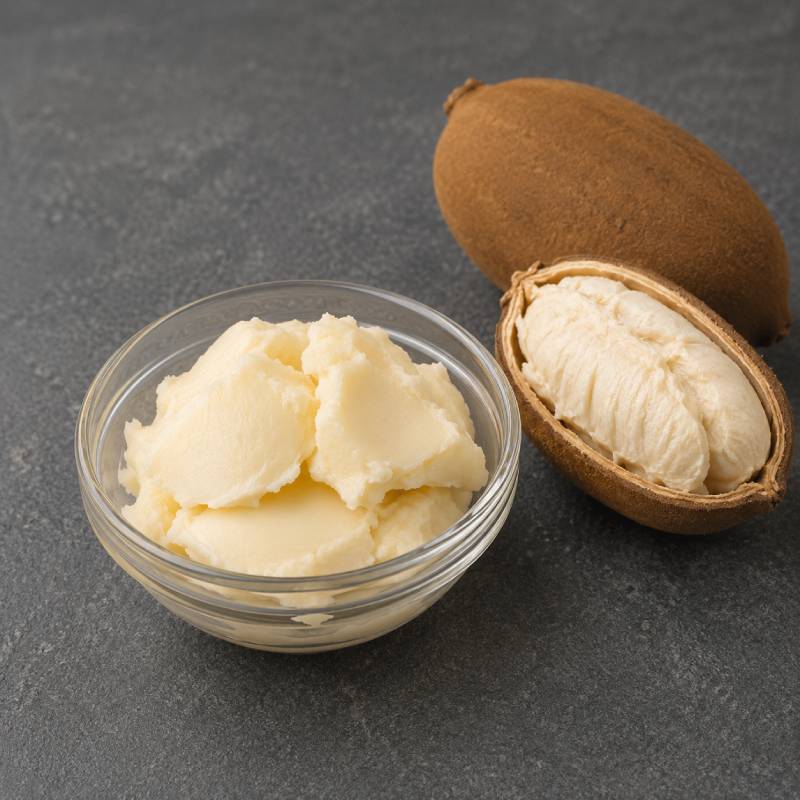
Cupuasu butter is pressed from the seeds of Theobroma grandiflorum, a tree that grows in the Amazon rainforest and is a close relative of the cacao tree. This botanical relationship explains its distinctive texture: unlike many solid plant fats, cupuasu has an unusually strong ability to bind moisture while absorbing quickly, leaving no heavy greasy film on the skin. The 10 gram trial size is designed for formulators who want to test the butter in a small home batch before committing to a larger purchase, as well as for hobbyist cosmetic makers who need just enough material for a single sample cream or balm.
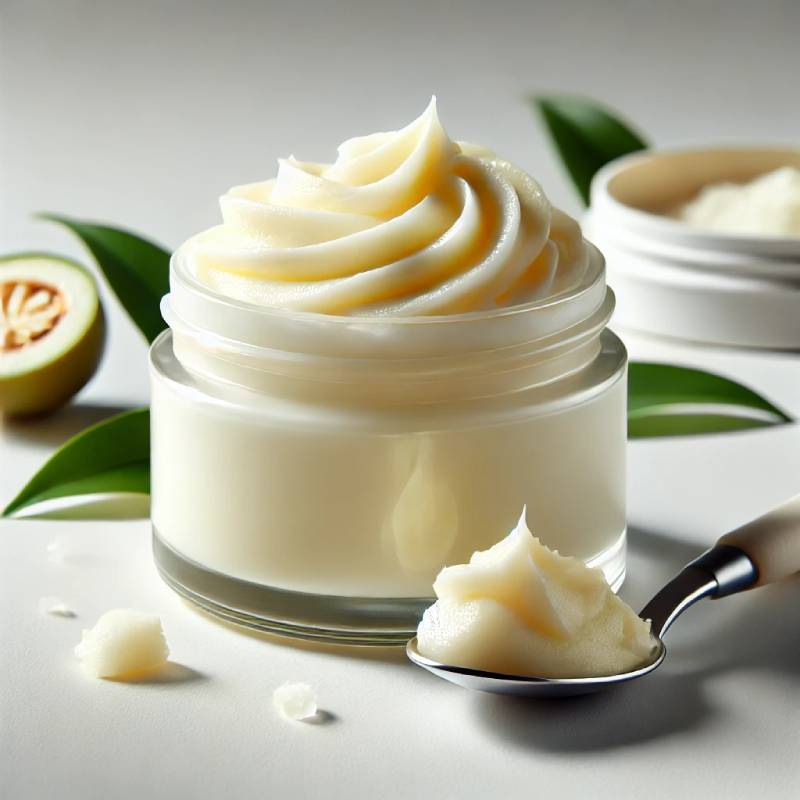
The leading global application for cupuasu butter today is skin care for face and body, including creams for dry and mature skin, lip balms, after-sun repair products, and body butters aimed at restoring elasticity after weight loss or pregnancy. The ingredient is also widely used in conditioners and masks for dry and damaged hair, since it forms a thin film along the hair shaft that smooths the cuticle and makes detangling easier. In color cosmetics manufacturing, cupuasu appears in lip balm sticks, solid hand creams, and creamy pencil or highlighter bases. A growing niche use is in solid deodorant sticks and solid perfume balms, where cupuasu serves as the carrier base holding fragrance compounds in place. This product belongs to the butters category, which groups together solid plant fats sharing a similar dense texture that needs melting before formulation.
When working with cupuasu butter, keep the temperature controlled: melt it in a double boiler at no more than 45-50 degrees Celsius to preserve its texture and beneficial qualities, then add it to the oil phase once the other fats have already melted. A recommended usage rate in a finished formula ranges from 3 to 15 percent depending on the desired firmness and product type. Cupuasu pairs well with lighter butters that thin its density, such as passion butter, which adds lightness to the blend and speeds absorption. For richer scented compositions, formulators often combine it with lavender butter, while for stronger film-forming and protective effects in winter hand and lip recipes, a blend with ucuuba butter, known for its dense protective texture, works particularly well.
Store cupuasu butter in a dry, cool place away from direct sunlight and heat sources; the optimal storage temperature stays below 20-22 degrees Celsius, since higher temperatures may soften the butter and cause it to lose shape, which does not affect its quality but requires re-cooling before use.
Soothing Lip and Cuticle Balm
Cupuasu butter 7 g
Candelilla wax 3 g
Sweet almond oil 6 g
Castor oil 4 g
Vitamin E 0.5 g
Peppermint essential oil 3 drops
Melt
the candelilla wax and cupuasu butter together in a double boiler at around 45
degrees Celsius until fully liquid, then stir in the almond oil and castor oil
until the mixture is smooth and uniform. Remove from heat, let the blend cool
slightly to about 40 degrees, then whisk in the vitamin E and peppermint
essential oil before pouring the mixture quickly into small lip balm tins or
tubes, allowing it to set at room temperature for a few hours before capping.
INCI name for label declarations: Theobroma grandiflorum.
FAQ
What is the shelf life of Cupuasu Butter and how to recognize rancidity?
The product lists 10.2028 as the suitability date.
How should Cupuasu Butter be stored after opening?
Store in a cool dark place in a tightly closed container as indicated in the storage conditions.
What extraction method is used for this Cupuasu Butter and how does it affect quality?
The extraction method is not listed in the characteristics. Details for the specific batch are available upon request in the specification.
What is the recommended input percentage and addition phase for Cupuasu Butter?
The listed input percentages are creams and lotions 3-5 %, balms 5-100 %, hair conditioners 2-5 %. Add in the oil phase according to the formulation type.