Why Hemp Powder Fits Both Cosmetic Labs and Food Production Lines
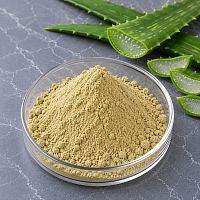
Hemp powder is produced from the pressed seed meal left after oil extraction, which means it retains a notable share of plant protein, fiber and residual lipids. This composition makes the ingredient relevant across several industries at once: food manufacturing, where it is blended into protein bars, smoothies and baked goods, animal feed production, and cosmetic formulation, where the powder shows up in scrubs, masks and cleansing blends. On the catalog structure this item sits within Powdered Extracts and Algae, a section gathering dry botanical and algae-based ingredients with similar dosing logic.
In cosmetic manufacturing hemp powder is typically introduced during the cold phase, when dry components are combined, since heat processing can break down some nutrients and alter particle texture. A common dosage for scrubs and masks ranges from 5 to 15 grams per 100 grams of finished product, depending on the desired abrasiveness. For gentler formulas aimed at sensitive skin, the powder can be pre-sieved to remove coarser particles. Hemp powder pairs well with other plant-based additives; in multi-ingredient cleansing masks it is often combined with chlorella powder, which contributes a deep green pigment and trace minerals, as well as with ascophyllum powder, valued for its soothing effect on skin.
In food production hemp powder is appreciated for its mild nutty flavor and high fiber content, making it a convenient addition to protein blends, bakery items and functional beverages. Confectionery and snack manufacturers use it to enrich products with plant protein without reworking the base recipe significantly. In pet food and livestock feed manufacturing the powder serves as a source of additional fiber and fatty acids.
When working with larger volumes such as the 1 kilogram packaging, the product suits studio-scale and small industrial production well, where a stable batch of raw material without frequent reordering matters. This packaging lets formulators test recipes at a larger scale and move from trial samples toward serial production while keeping raw material characteristics consistent from batch to batch.
To boost the cleansing effect in cosmetic formulas, hemp powder is sometimes paired with enzymatic components such as papain, which supports gentler exfoliation of dead skin cells without relying purely on abrasive mechanical action. This combination is common in enzyme peels and soft cleansing powders.
Hemp powder should be stored in a tightly closed container, in a dry place at room temperature, away from direct sunlight, since the residual fats in its composition are sensitive to oxidation after prolonged contact with air and heat. Once the package is opened, it is best to use the product within a reasonable timeframe and prevent moisture from entering the container.
Nutty Cleansing Bar Mask with Hemp Powder
Hemp powder 45 grams
Chlorella powder 5 grams
White kaolin clay 25 grams
Papain 3 grams
Jojoba oil 10 ml
In
a dry glass bowl combine the hemp powder, kaolin clay and chlorella powder,
mixing until the color is even throughout. Add papain and stir well with a
non-metal spatula, then slowly incorporate the jojoba oil until a slightly
moist, crumbly texture forms. Transfer the finished blend into an airtight jar.
Before use, mix a small amount with water to form a paste, apply to cleansed
facial skin for a few minutes, then rinse off with warm water using gentle
circular motions.