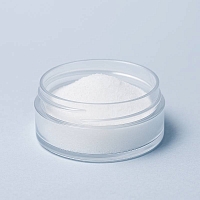
Why This Sulfur-Containing Amino Acid Dominates Energy Drink and Pet Food Formulas
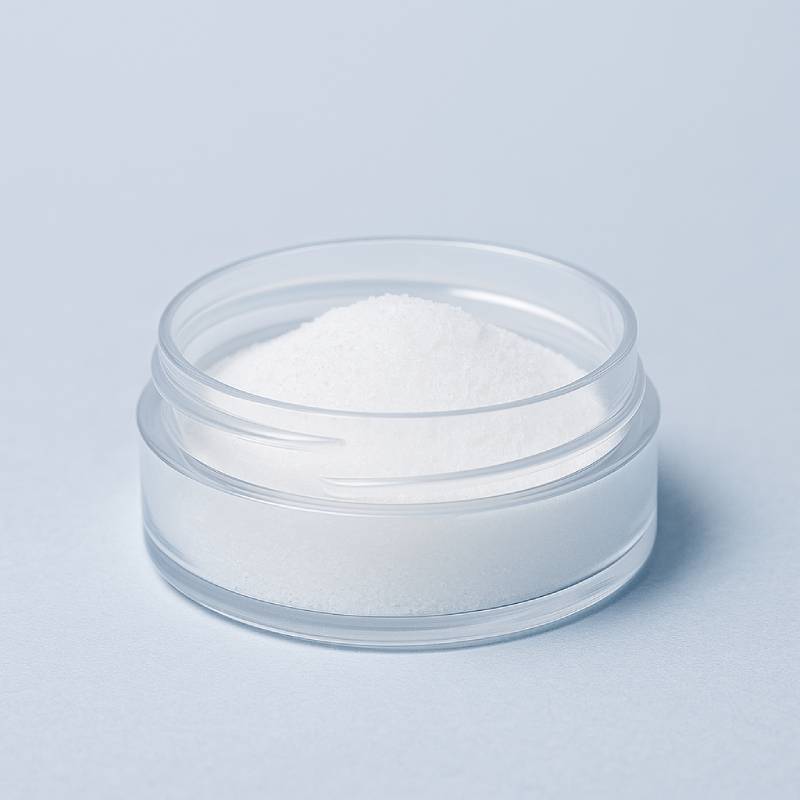
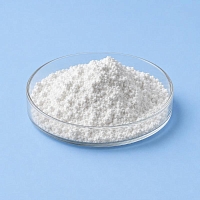
The 1 kg package is designed for manufacturers who need a reliable, consistent volume of raw material for uninterrupted production cycles rather than small trial batches. This ingredient belongs to the Amino Acids category, which brings together biologically active compounds used across a wide range of industries. The strongest global demand comes from producers of energy drinks, sports nutrition, and pet food, since this particular amino acid is considered essential for cats and is a mandatory component in quality dry and wet formulas for feline diets.
In food manufacturing, the compound is typically introduced during the dry-blending stage before pasteurization or bottling, at concentrations ranging from 0.1 to 0.4 percent of the finished product mass, depending on the beverage formula and regional regulatory requirements. It remains stable both in cold-mixed formulations and in products subjected to thermal processing up to 80-90 degrees Celsius, which makes it convenient for various production lines. In pet food manufacturing, dosages are calculated according to the physiological needs of the target species, and uniform distribution throughout the pellet or mince mass is critical for consistent product quality.
The pharmaceutical and nutraceutical industries rely on this raw material for capsules, tablets, and oral solutions. It shows strong compatibility with L-Arginine, a combination frequently found in sports nutrition formulas due to their complementary effects during physical exertion. More complex formulations may also incorporate Isoleucine, while plant-based product lines often add Soy Isoflavones to broaden the functional profile of the finished composition.
In cosmetic manufacturing, the ingredient appears in eye contour care products and strengthening hair formulas, where it functions as an antioxidant and supportive component, typically added to the water phase of an emulsion at temperatures not exceeding 40 degrees Celsius during the final production stage. Less commonly, it also finds use in household chemical products and veterinary preparations.
The raw material should be stored in a dry area at room temperature, in tightly sealed packaging protected from direct sunlight and moisture, which preserves its original properties throughout the entire declared shelf life. The 1 kg package size is particularly suited for industrial and continuous-line production, allowing companies to plan procurement well in advance without risking a production stoppage due to material shortages.
Industrial-Scale Recovery Beverage Base
Purified water 1000 ml
Dextrose 50 g
Sodium citrate 2 g
Magnesium citrate 1 g
Ingredient from this listing 3 g
Natural flavoring 1 ml
Heat the water to approximately 35 degrees Celsius, then dissolve the dextrose, sodium citrate, and magnesium citrate one by one while stirring continuously. Add the amino acid and continue mixing until fully dissolved. Allow the mixture to cool to room temperature, stir in the flavoring, mix for several more minutes, and transfer the finished base into prepared containers according to the facility's standard bottling procedure.