A Small Format Bottle That Makes Olive Oil Easy to Test in Formulations
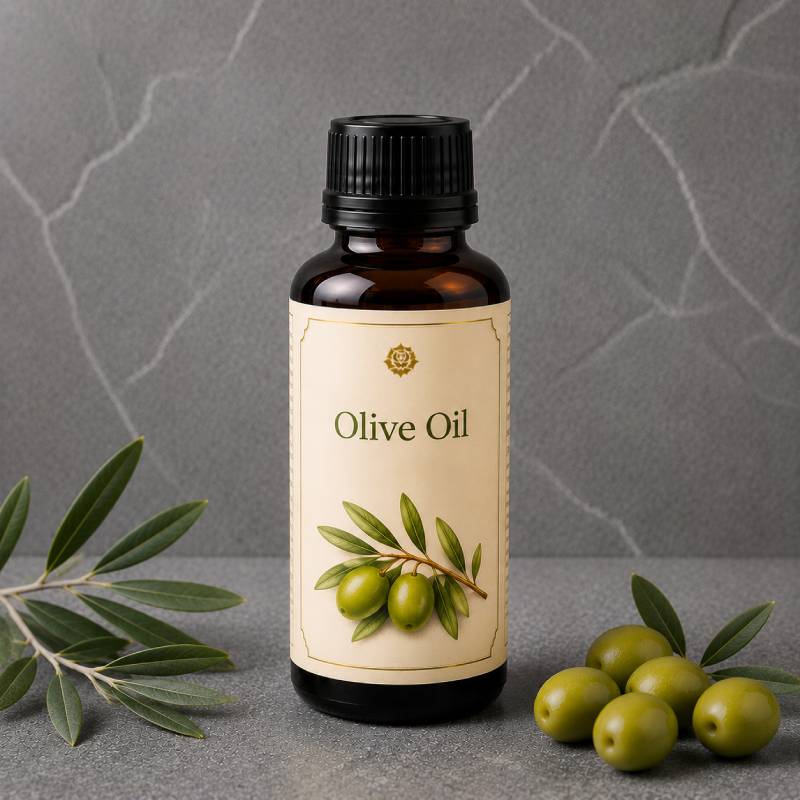
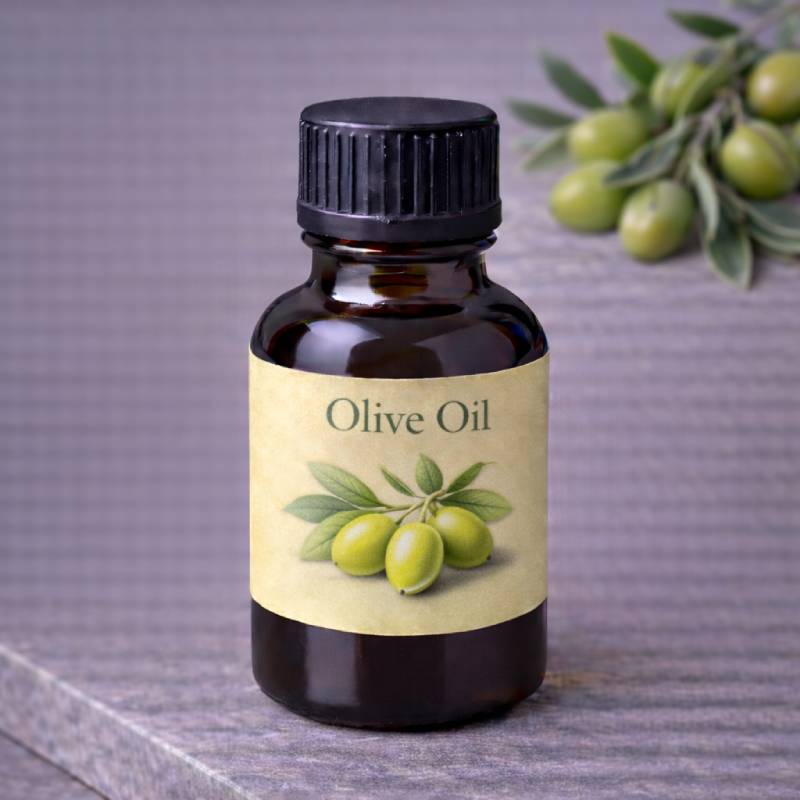
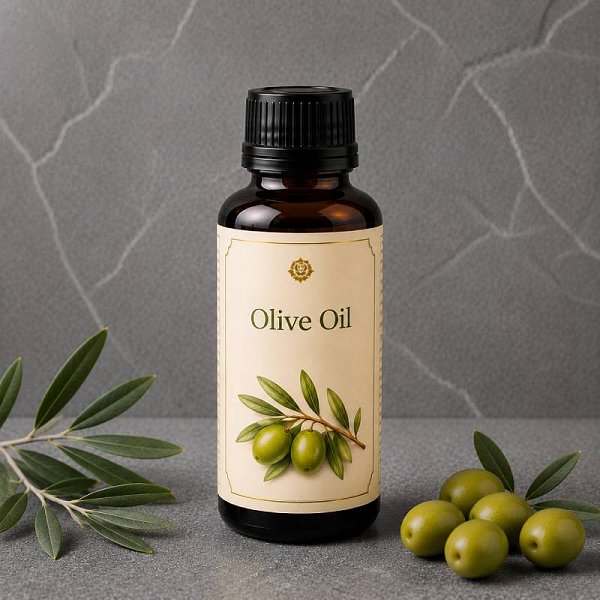
Olive oil in a 50 ml bottle is a practical choice for those who want to try the ingredient in small quantities before committing to a larger volume, or who simply need modest amounts for occasional formulation work. This oil is obtained by pressing olive fruit and has long been recognized as a base fat used not only in skincare but also in food production, pharmaceuticals, and treatments for leather and wood surfaces. It belongs to the Liquid Basic Oils category, which brings together plant-based oils with a light texture that remain fluid at room temperature and can be used either on their own or blended with other ingredients.
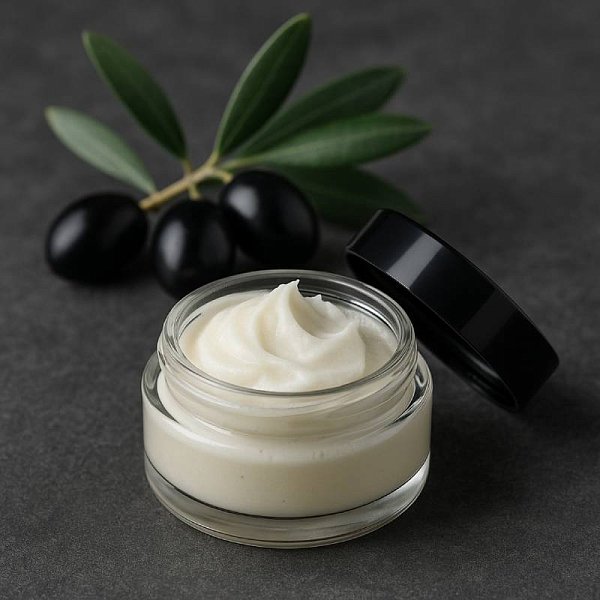
Across global markets, olive oil is most commonly found in formulas designed for dry and mature skin, in makeup removers, lip balms, and massage blends. It is valued for its ability to soften skin and help retain moisture in the upper layers, which is why it is often introduced into creams, emulsions, serums, and body products during the final cold-mixing stage, when the formula temperature stays below 40-45 degrees Celsius to preserve the activity of its fatty acids. Beyond cosmetics, the oil also appears in candle-making and in conditioning treatments for natural leather and wood, as well as in select household chemical products.
Olive oil blends well with other plant oils, allowing formulators to balance texture and absorption. For a lighter finish, it is often paired with Rice Germ Oil, which adds a silky feel and reduces greasiness on the skin. For soothing and restorative recipes, Chamomile Oil works as a gentle complement suited for sensitive skin formulas. It is also worth noting the closely related Olive Cosmetic Oil, which can be used alongside depending on the required refinement level of the finished product.
A typical usage rate for olive oil in finished formulations ranges from 5 to 30 percent of total mass, depending on the desired richness and purpose of the product. It is usually added during the oil-phase mixing stage, before emulsification, at temperatures not exceeding 45 degrees Celsius to protect its beneficial compounds. Store it in a tightly sealed container, away from direct sunlight and heat sources, to extend shelf life and maintain its original quality.
The 50 ml format is particularly convenient for home-based cosmetic making, trial batches, and fine-tuning proportions before scaling up to larger volumes. This size allows careful use of the ingredient and minimizes waste when the oil is needed only occasionally.
Nourishing Lip and Cuticle Balm
Olive oil 15 ml
Rice germ oil 10 ml
Beeswax 6 g
Shea butter 5 g
Melt the beeswax and shea butter together in a double boiler at around 45 degrees Celsius, then stir in both oils once the solids have fully melted, mixing until smooth. Remove from heat and pour the blend into small tins, letting it set at room temperature for a few hours before sealing.
The INCI designation used in documentation is Olive Oil refined.
FAQ
What is the shelf life of this olive oil and how to recognize rancidity?
The expiration date shown is 11.2028. Signs of rancidity and ways to slow oxidation can be checked on the label or in the specification available on request.
Is refined olive oil compatible with other oils or actives?
It mixes well with other oils due to its oily liquid form. Specific combinations are listed in the product specification on request.
What is the difference between refined and unrefined grade for this olive oil?
This product is refined, which provides a characteristic smell and improved stability compared with unrefined grades. Details are in the COA or specification.
What is the comedogenic rating of olive oil?
No rating is provided in the given data. Check the specification or label for guidance.