Building Stable Skincare Formulas With Olive Butter
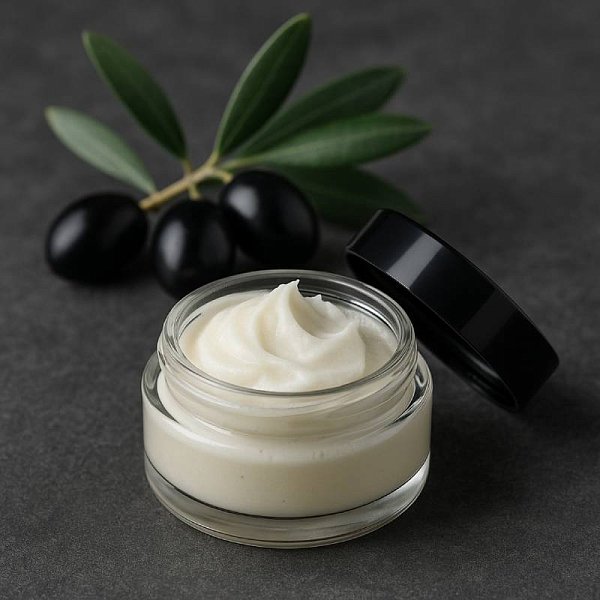
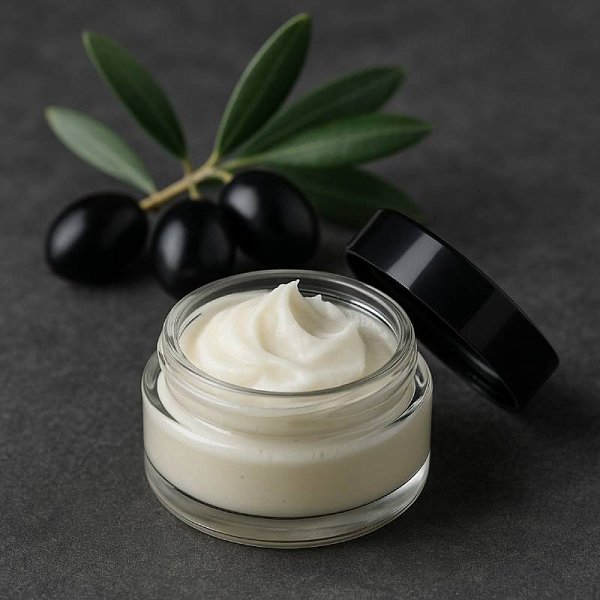
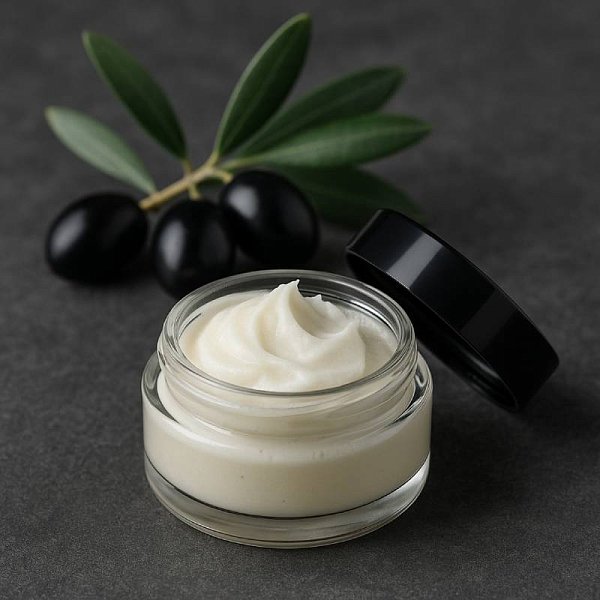
Olive Butter in a 1 kg package belongs to the category of Butters, which remains a steady choice for small manufacturers and studio-scale cosmetic producers who need a reliable, predictable ingredient. This butter is produced through hydrogenation or interesterification of olive oil, turning a liquid raw material into a firm yet easily melting mass that retains much of the nourishing character of the original oil.
The main use of olive butter lies in body and hand balms, lip care products, hair conditioners, and scalp treatments, where its texture provides both structure and a smooth melting feel on skin. The 1 kg format is well suited for small-batch studios and emerging cosmetic brands that need consistent supply for regular production runs without committing to bulk industrial volumes. It also gives formulators enough material to test several batches before scaling up.
Olive butter integrates well into solid formats for body and lip care. Explore the full selection of Solid Oils and Butters Wholesale to find matching ingredients. This supports consistent results in small-batch and larger production.
In formulations, olive butter is typically added to the oil phase together with other oils and waxes at a temperature of around 60-70 degrees Celsius, where it melts completely and blends evenly with the rest of the mixture. Recommended dosage ranges from 5 to 20 percent of the total formula weight depending on the desired firmness of the finished product - lighter creams call for the lower end, while solid balms and sticks benefit from higher concentrations. Olive butter pairs well with liquid carrier oils, lanolin, plant-based emulsifiers, and other butters, such as Sea Buckthorn Butter, which brings a rich tone and extra nourishing compounds to the blend. For firmer sticks and structured balms, Kokum Bater is a useful addition that improves stability and hold.
Beyond skincare, olive butter finds use in color cosmetics as a base for solid blushes and highlighters. It also appears in solid perfume bases alongside wax and fragrance oils, and in massage bars, where its melting behavior at skin temperature makes it a practical functional ingredient.
Store the butter in a tightly closed container, away from direct light, at room temperature without sharp fluctuations to preserve its texture and slow down oxidation. When working with a full kilogram, it helps to divide the mass into smaller working portions to avoid repeatedly melting and cooling the entire batch.
For lighter, more delicate formulas, a small addition of Lotus Butter can round out the scent profile and give the final product a more refined feel.
Olive Butter Lip Balm Sticks
Olive butter 60 g
Candelilla wax 25 g
Sweet almond oil 40 g
Castor oil 20 g
Vitamin E 3 ml
Peppermint essential oil 4 ml
Melt
the olive butter and candelilla wax together in a double boiler at around 65
degrees Celsius until fully liquid. Remove from heat, stir in the sweet almond
oil and castor oil until the mixture is smooth and uniform. Let it cool to
about 45 degrees, then add the vitamin E and peppermint essential oil, mixing
thoroughly before pouring into lip balm tubes and allowing them to set at room
temperature for several hours.
INCI name for label declarations: Butter Olives.
FAQ
Where can I obtain the COA and specification for Olive Butter 1 kg?
Current documents for this product are listed in the «Documents» block of the product card.
What is the comedogenic rating of Olive Butter?
Comedogenic ratings are general references only; the actual effect depends on the final formula and can be verified through testing.
How is Olive Butter produced and what determines its quality?
Olive Butter is obtained by hydrogenation or interesterification of olive oil; production details and quality parameters are stated in the accompanying documentation.
What is the shelf life of Olive Butter and how can rancidity be detected?
The declared shelf life is until 10.2028 under recommended storage conditions; signs of rancidity and further guidance appear on the label and in the specification.