Why Moroccan Argan Oil Remains a Staple in Skin and Hair Formulations
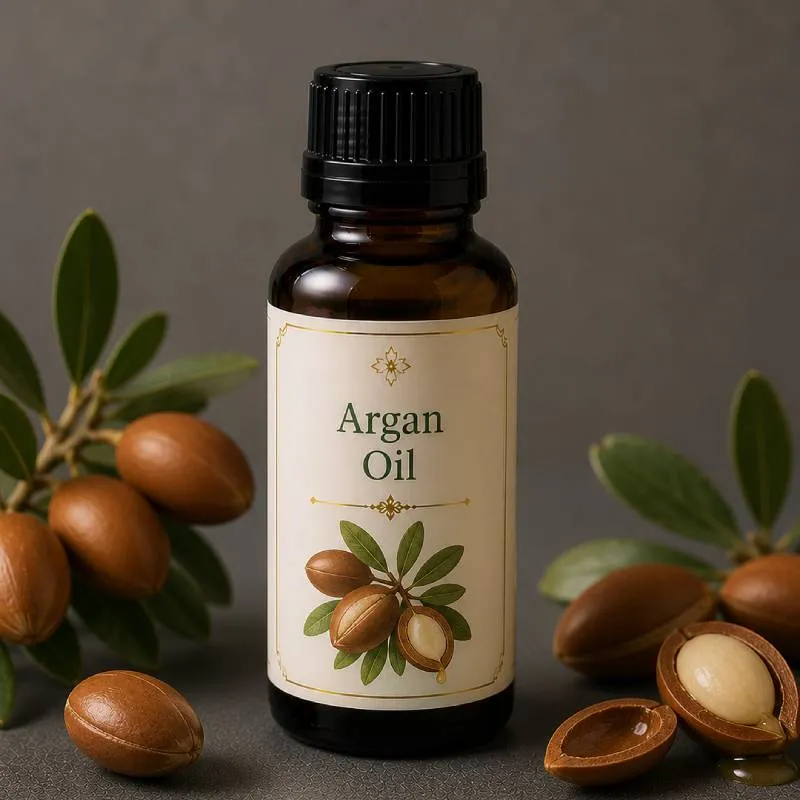
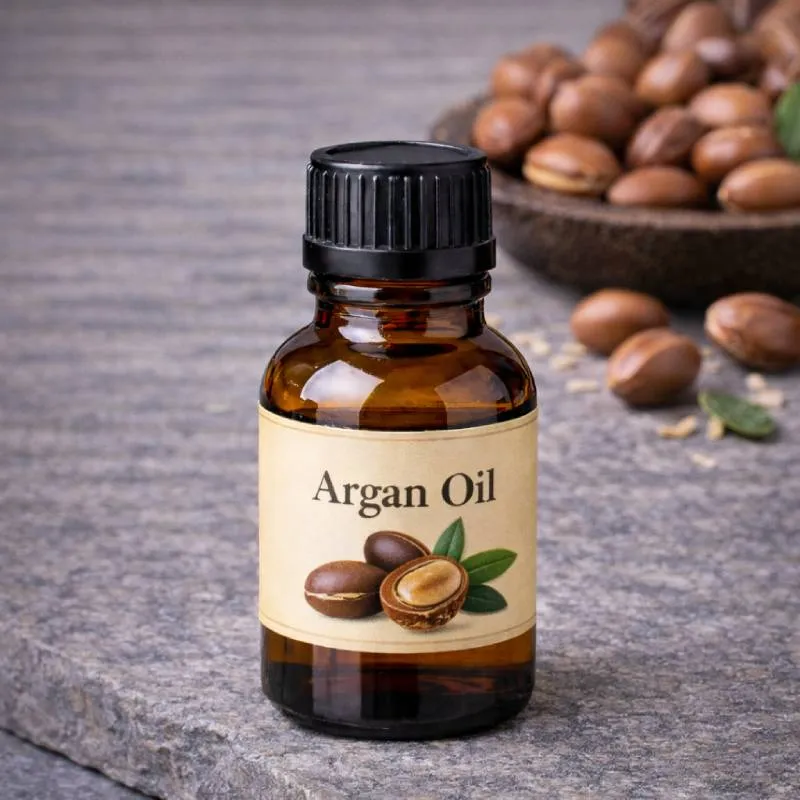
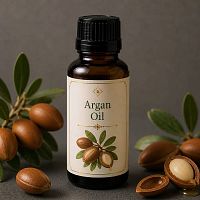
Argan oil is pressed from the kernels of the argan tree, a species native almost exclusively to Morocco, which explains why this oil holds such a strong position among globally traded plant oils. The 30 ml size is well suited for home formulators, trial batches and testing new recipes before scaling up to larger production runs. This product belongs to the Liquid Basic Oils category, which brings together lightweight base oils known for fast absorption and minimal residue on the skin surface.
The strongest demand for argan oil comes from skincare and haircare manufacturing, where it appears in facial serums, night creams, lip balms and hair repair treatments. Its natural blend of fatty acids and antioxidants makes it a popular ingredient in formulations targeting dryness and dull-looking skin. It is also widely used to strengthen hair fiber and add natural shine to dry or damaged strands. In perfumery, argan oil is occasionally used as a neutral carrier base for oil-based fragrance blends due to its mild scent profile. The oil is also known in culinary traditions of Morocco, though cosmetic-grade batches are processed separately from food-grade production lines.
Argan oil blends easily with other plant oils to build multi-functional formulations. It pairs well with Corn Germ Oil, which lightens the texture and speeds up absorption, and with Cashew Oil, which contributes a richer, more nourishing consistency. For denser creams and balms, formulators often combine argan oil with liquid Shea butter, creating a balanced base suitable for dry and dehydrated skin types.
The oil should be added during the oil phase at a temperature not exceeding 40-45 degrees Celsius. Typical usage rates range from 3 to 15 percent of the total formula weight, depending on the desired texture and purpose of the product. When used undiluted, it is applied directly to the face, cuticles or hair ends. Store the product in a tightly sealed container in a cool, dark place away from direct sunlight and heat sources.
The compact 30 ml size makes the oil easy to carry while traveling, convenient for targeted skin treatments, and practical for blending into finished products without risking spoilage of a larger volume.
Restorative Overnight Face Oil Blend
Argan oil 15 ml
Liquid Shea butter 10 ml
Vitamin E 2 ml
Lavender essential oil 3 drops
Combine the argan oil and liquid Shea butter in a small glass dropper bottle and mix gently until fully blended. Add vitamin E as a natural stabilizer, then introduce the lavender essential oil for a calming scent suited to nighttime use. Apply a few drops to cleansed skin before bed, gently pressing into the face and neck while avoiding the eye area, and leave on overnight for absorption.
INCI name for label declarations: Argan Oil pressed.
FAQ
What is the texture and absorption of argan oil?
Argan oil belongs to the liquid oils category with neutral oily smell and fast absorption. Viscosity details are available in the specification on request.
What is the shelf life of argan oil and how to recognize rancidity?
The expiration date is 12.2028. Store in a tightly closed container in a cool dark place.
How does argan oil combine with other oils or actives?
Argan oil is compatible with other oils in the 1-100% range. Specific combinations and stability data are provided in the specification on request.
What is the recommended input percentage and phase for argan oil?
Add argan oil in the oil phase at no more than 40-45 degrees Celsius. Usage rates are 3-15% depending on the formula; exact values for your application are listed in the characteristics or specification.