How Baobab Oil Supports Consistent Batch Production in Skincare and Haircare
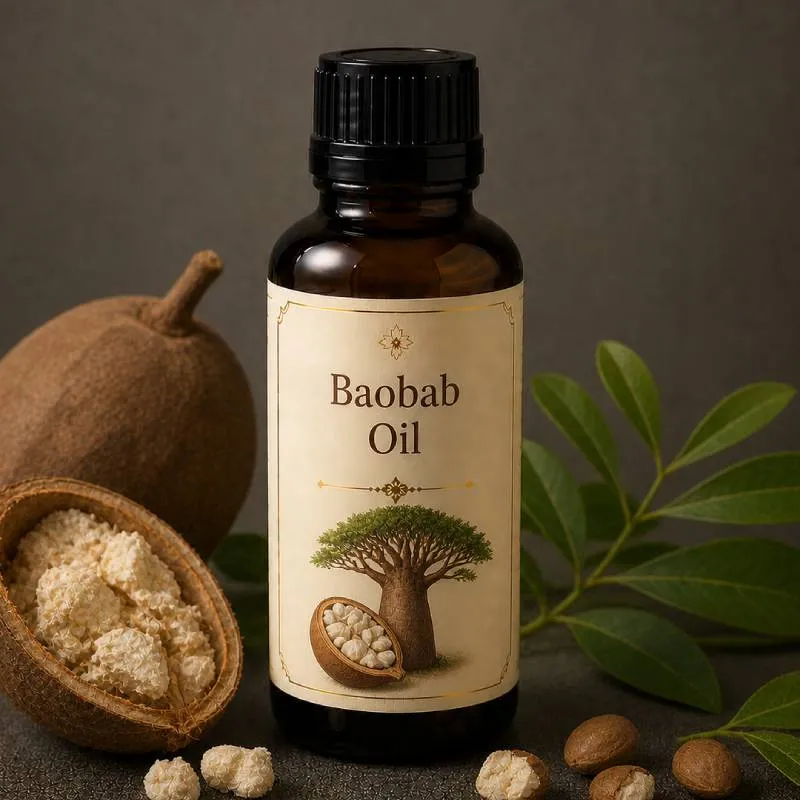
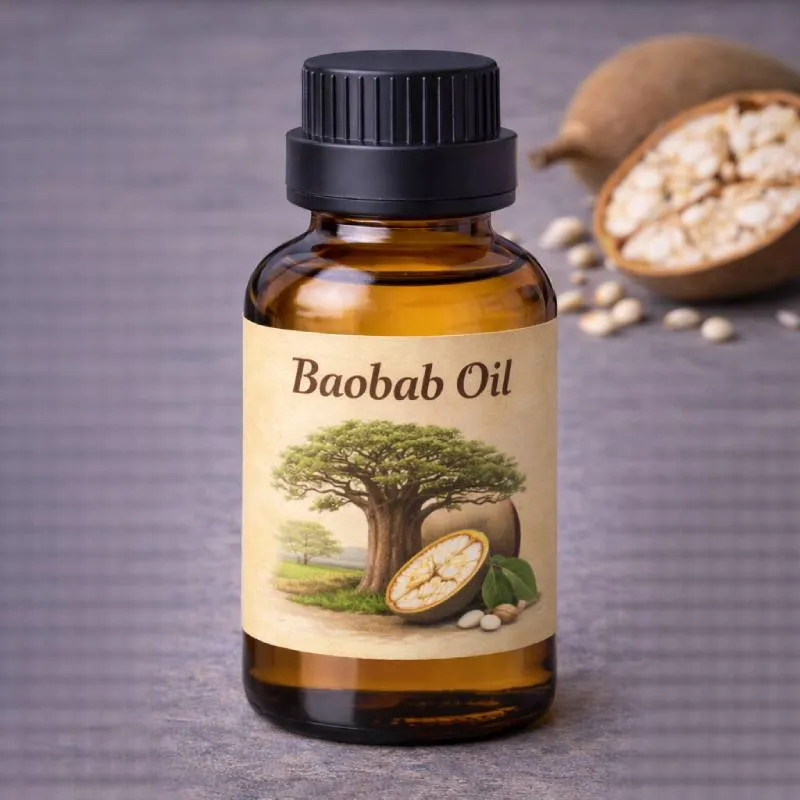
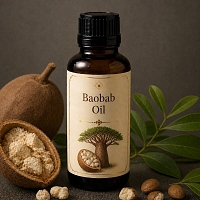
Baobab oil, pressed from the seeds of the baobab tree, has become a reliable base ingredient in the cosmetics industry thanks to its light texture and strong compatibility with other plant oils. The 1 liter format suits studio workshops and small-batch manufacturers who need enough volume for regular production runs of creams, balms, and hair treatments without frequent reordering. This oil belongs to the Liquid Basic Oils category, which brings together plant oils used across professional cosmetic and related manufacturing lines.
The primary global demand for baobab oil comes from skincare and haircare production. It is commonly formulated into face and body creams, lip balms, massage oils, after-sun products, and hair treatments aimed at restoring length and reducing breakage. Its fast absorption makes it suitable for both water-based emulsions and anhydrous balms or solid bar formulations. In hair care manufacturing, baobab oil is frequently paired with heavier oils such as Burdock Oil 100 ml, a combination widely used in strengthening formulas for weak or brittle hair.
Baobab oil unrefined from Kenya suits professional cream and balm formulas. It belongs to the Bulk Liquid Oils category for studio and small-batch production.
Beyond cosmetics, baobab oil is used in products designed for dry and dehydrated skin, in hand and foot balms, and occasionally in oil-based household items such as natural polish formulations. In some regions the seeds and oil are part of traditional food practices, though commercial demand across Europe and the CIS is driven primarily by the cosmetics sector rather than food production.
Baobab oil blends well with other light oils, allowing formulators to build multi-layer emulsions with varying absorption rates. For repair serums and anti-aging products, it is often combined with Wheat Germ Oil 50 ml, valued for its natural tocopherol content that helps extend the shelf life of finished blends. For lighter summer formulas and products for oily skin types, it pairs well with Watermelon Seed Oil 25 ml.
Baobab oil should be introduced during the oil phase of a formulation, at temperatures not exceeding 60-70 degrees Celsius to preserve its active compounds. Typical dosage ranges from 5 to 30 percent depending on the product type - lighter emulsions require a smaller share, while intensive repair balms may rely on it as the main base. Store the oil in a tightly sealed container, away from direct heat and sunlight, in a cool dark place to maintain its properties over time.
Repair Hair Serum with Baobab Oil
Baobab oil - 70 ml
Wheat germ oil - 20 ml
Burdock oil - 10 ml
Vitamin E oil - 5 drops
Combine
baobab oil, wheat germ oil, and burdock oil in a clean glass bottle, then add
the vitamin E oil and shake gently until fully blended. Let the mixture rest
for a few hours before first use. Apply a small amount to damp hair lengths and
ends, avoiding the roots, and leave it in without rinsing.
INCI name for label declarations: Adansonia digitata L Oil. Melting point per specification: 20-25°C.
FAQ
What documents are available for Baobab Oil?
Current documents for this product are listed in the «Documents» block of the product card.
What shelf life is indicated for Baobab Oil and how to detect rancidity?
The date shown on the label for this batch is 10.2028; signs of rancidity and storage advice appear on the label.
Does color and odor of Baobab Oil vary between lots?
Natural variation of color and odor between lots is typical for unrefined oils and noted in the specification.
What is the difference between refined and unrefined Baobab Oil?
This grade is unrefined; changes from refining are described in the product specification on request.