Why Formulators Choose a Dense Olive-Based Butter for Repair Creams
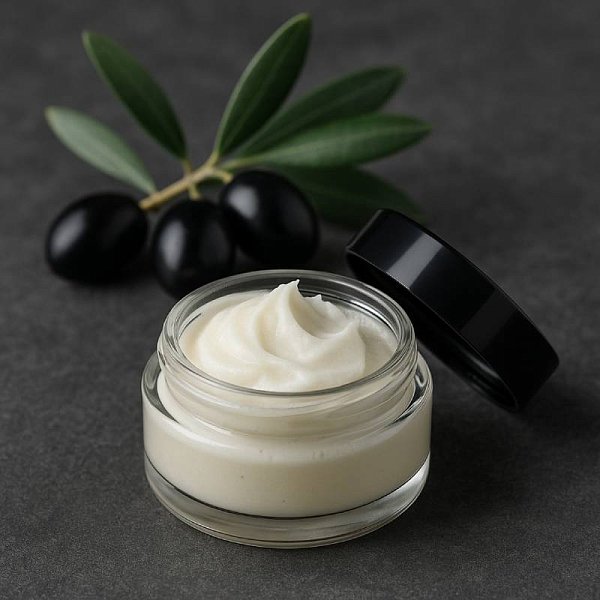
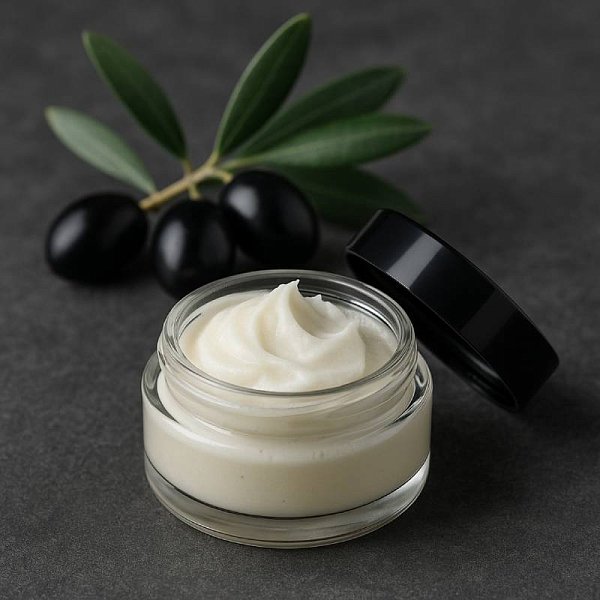
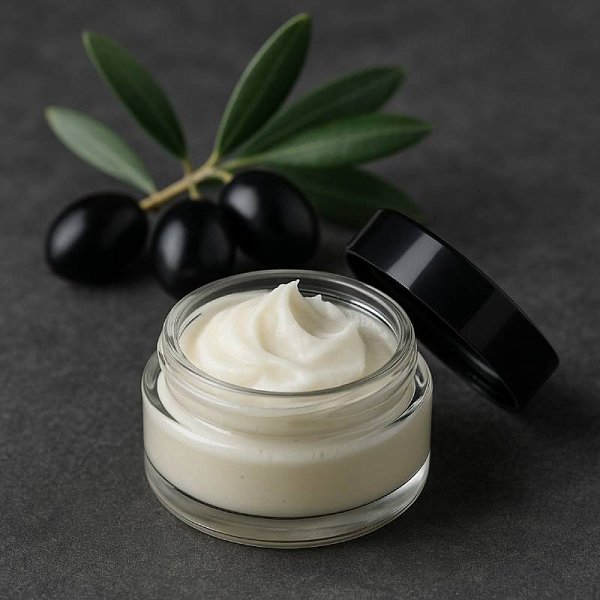
Olive oil has long been valued in skincare for its rich fatty acid profile, and its hydrogenated butter form gives formulators a more workable texture for modern recipes. This olive butter is produced through hydrogenation of natural olive oil, so it stays firm at room temperature but melts smoothly on contact with skin. The compact 50 gram size is ideal for home cosmetic making and small trial batches, letting you test a new formula without committing to a large quantity of raw material. This product belongs to the butters category, which brings together dense plant fats used for nourishing and restoring the skin.
The main application of olive butter is in body creams, balms, and body oils formulated for dry or dehydrated skin that needs deep nourishment. It is frequently used in formulas for mature facial skin, in hand and foot creams targeting rough or cracked areas, and in lip balms, where it forms a protective film without a heavy or greasy feel. In candle making, small amounts of olive butter are sometimes added to soften wax texture and improve burn quality. It also appears in shaving and after-shave formulations thanks to its softening properties on skin exposed to friction.
Olive butter blends well with other plant-based butters and oils, allowing formulators to build layered textures with varying degrees of richness. Pairing it with sea buckthorn butter boosts the regenerating effect of a formula through concentrated carotenoids, while adding almond butter lightens the overall texture, making it more suitable for daily use products. For marine-inspired formulas, combining olive butter with laminaria butter adds mineralizing properties valued in modern skincare lines.
Olive butter should be introduced during the fat phase of production, melted in a water bath at 55-65 degrees Celsius together with other solid ingredients such as waxes, emulsifiers, and additional butters. Once fully melted, the oil phase is combined with the water phase at similar temperatures to form a stable emulsion. Typical usage in creams and balms ranges from 5 to 20 percent of total formula weight, while lip balms may use 30 to 40 percent to achieve a firmer structure. Store the product in a cool, dry place away from direct sunlight in a tightly sealed container - at elevated temperatures the butter may soften or partially melt, but this does not affect its functional properties once it resolidifies.
Repairing Body Butter Bar for Elbows and Heels
Olive butter 25 g
Almond butter 15 g
Beeswax 8 g
Jojoba oil 20 g
Vitamin E 2 ml
Lavender essential oil 5 drops
Melt
the olive butter, almond butter, and beeswax together in a water bath at around
60 degrees Celsius until fully liquid. Remove from heat, stir in the jojoba oil
and vitamin E until evenly blended. Allow the mixture to cool to about 40
degrees Celsius, then add the lavender essential oil and pour into molds or
containers. Let the bars set at room temperature for several hours before use.
FAQ
What are the storage conditions for Olive Butter after opening?
Store in a dry cool place in a tightly closed container away from light. The expiry date for the current batch is 10.2028 as shown on the label.
What is the comedogenic rating of Olive Butter?
The comedogenic rating is not listed in the basic characteristics.
Are COA and specification documents available for Olive Butter?
Current documents for this product are listed in the «Documents» block of the product card.