How a Deep Black Powder Performs Across Construction, Plastics and Cosmetic Lines
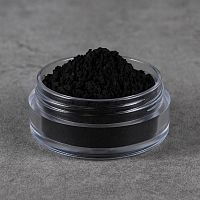
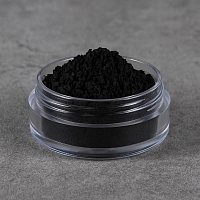
A rich, opaque black tone is one of the most requested colors far beyond makeup shelves — it plays a major role in concrete production, paving tiles, rubber goods, plastics, protective coatings and candle manufacturing. This versatile colorant belongs to the Pigments section, gathering concentrated powder colorants suited for a wide range of materials, from cement mixes to cosmetic emulsions. The 1 kg pack targets industrial and conveyor-line manufacturing, where consistent batch-to-batch color and reliable supply volumes matter most. Explore more shades in the Pigment Powders Wholesale section.
In the construction sector, this black powder is blended into concrete, cement mortars, plaster and paving tiles to achieve a deep uniform shade resistant to sunlight and moisture over years of outdoor exposure. In plastics and rubber processing, it colors pellets, roofing membranes and insulation materials, withstanding high processing temperatures without fading during long-term outdoor use. Paint and coating manufacturers add it to primers, enamels and protective finishes for metal and wood surfaces where a stable, non-migrating black is required.
In cosmetic manufacturing, this pigment is a staple for eyeliners, mascaras, gel liners, dark eyeshadows, lipsticks and tattoo preparations. It pairs well with other powder colorants from the same range, such as Blue Pigment for deep graphite and slate shades, or with Metallic Black Mica Powder for Cosmetics, 1 kg, which introduces a smoky shimmer effect into decorative products and candles alike.
When formulating cosmetic emulsions, the pigment is introduced during the oil or gel phase mixing stage at 40-60 degrees Celsius, first pre-dispersed in a small amount of carrier oil or glycerin to prevent clumping and ensure even color distribution. Typical dosage for decorative cosmetics ranges from 0.5 to 3 percent of the total formula depending on desired depth, while construction mixes are dosed individually, usually between 1 and 5 percent of the binder weight.
For candle making, this powder is less commonly used than dedicated wax dyes since it disperses less evenly in paraffin and stearin — for streak-free coloring of melted wax, the Black Wax Dye for Candles is a more reliable choice specifically engineered for that purpose.
Store the pigment in a tightly sealed container, in a dry area away from direct sunlight and humidity fluctuations to prevent caking and preserve consistent tinting strength over time. Before committing to a large production batch, running a small test coloring trial helps calibrate exact dosage for your specific formula and equipment.
Charcoal-Tone Body Lotion Base
Emulsifying wax 30 g
Shea butter 20 g
Jojoba oil 15 g
Distilled water 130 g
Black Pigment 0.2 g
Preservative 1 g
Melt
the emulsifying wax and shea butter together on a water bath at around 70
degrees, then blend in the jojoba oil. In a separate container heat the water
to a similar temperature, then slowly pour it into the oil phase while stirring
continuously until the emulsion thickens. Pre-mix the pigment with a small
amount of warm oil into a smooth paste before adding it to the lotion base,
stir until the color is fully even, cool down while stirring occasionally, add
the preservative below 40 degrees and transfer into clean bottles.
Frequently asked questions
How to add black pigment to concrete mixes?
The pigment does not dissolve and only colors the mass. Introduce it slowly into dry components, testing small amounts first on a trial batch. The 1 kg pack fits steady production runs.
What is the shelf life of Black Pigment 1 kg?
Keep the closed pack in a dry cool place until 12.2041. Slight caking of the powder does not affect its properties and the material remains usable throughout the stated period.
Can I request a COA for this mineral pigment?
COA is available on request and confirms the quality of the mineral pigment for your formulations while supporting internal compliance records at production sites.
Who benefits from the 1 kg packaging?
This size targets industrial and conveyor production needing reliable stock without frequent reorders and supports continuous manufacturing schedules.