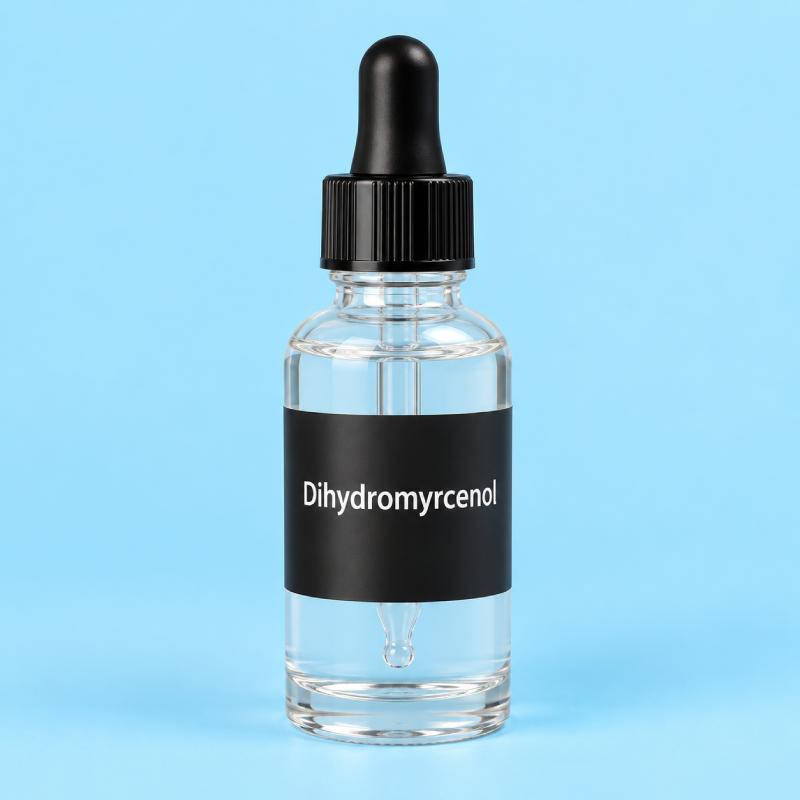
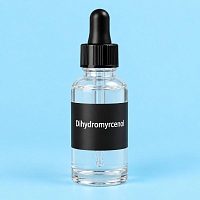
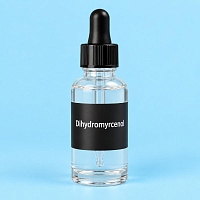
Dihydromyrcenol for perfumery and fragrance formulation
Dihydromyrcenol is a synthetic aroma ingredient widely used in modern fragrance creation for its powerful fresh, citrus and aromatic character. Its odor profile is commonly associated with lime, bergamot, clean lavender, green freshness and a cool cologne-like effect.
The material is particularly useful when a fragrance needs an immediate impression of freshness and cleanliness. It can be incorporated into fine fragrance concentrates as well as fragrance compositions developed for personal care, soap, hair products and household applications.
Dihydromyrcenol 100 g is suitable for fragrance development, laboratory trials, artisan production and professional formulation.
What does Dihydromyrcenol smell like?
Dihydromyrcenol has a strong fresh citrus character with a recognizable lime-like direction. Depending on the surrounding ingredients, the material may also reveal aromatic, green, bergamot, floral and lavender nuances.
It is especially useful for constructing fragrances associated with:
fresh citrus
lime and bergamot
clean laundry
cool aromatic notes
modern cologne
fresh fougere accords
sport fragrances
aquatic compositions
masculine and unisex fragrances
Rather than functioning as a finished fragrance on its own, Dihydromyrcenol is primarily a fragrance-building material. This gives formulators considerable freedom to modify its character through combinations with other aroma ingredients.
Dihydromyrcenol in fine fragrance
One of the most important applications of Dihydromyrcenol is fine fragrance formulation. Its intense freshness makes it particularly useful in contemporary compositions where a bright opening is required.
It can be incorporated into citrus, aromatic, fougere, aquatic, woody, clean and sport-style fragrances.
A formulator may combine it with citrus materials to emphasize the sparkling opening or use lavender-type materials to develop a more recognizable fougere direction.
Woody and amber materials can provide contrast to the bright opening and create greater depth in the dry-down.
For compositions requiring an amber-woody dimension, Ambroxan 100 g can be explored alongside Dihydromyrcenol. These materials perform different roles in a fragrance formula: Dihydromyrcenol contributes pronounced freshness, while an amber-woody material can help construct the deeper part of the composition.
Additional raw materials for fragrance formulation are available in the aromatic and fragrance ingredients section.
Applications beyond perfume
Dihydromyrcenol is not limited to alcoholic perfume formulations. Its fresh odor profile makes it relevant to functional fragrance and personal care applications.
It may be used as part of fragrance compositions developed for:
shower gels
shampoos
hair conditioners
bar soap
liquid soap
body lotions
deodorants
aftershave products
body care products
home fragrance products
cleaning products
laundry fragrance systems
In cosmetic formulations, Dihydromyrcenol should be considered primarily an aroma ingredient rather than a skin or hair active.
Its purpose is to influence the olfactory profile of the finished product.
Dihydromyrcenol for soap making
Fresh citrus and clean fragrance directions are widely used in soap formulation, making Dihydromyrcenol an interesting building material for custom soap fragrances.
It can be blended with citrus, lavender, floral, green, woody, amber or musk-type aroma materials depending on the intended fragrance profile.
A lime and aromatic combination can produce a bright refreshing direction, while lavender and woody materials can shift the fragrance toward a more traditional fougere profile.
When developing a new soap fragrance, prepare a small trial batch before scaling production. The complete fragrance composition should be evaluated in the actual soap base because odor performance and stability can differ from evaluation on a fragrance blotter.
Functional fragrance applications
Dihydromyrcenol can also be considered when developing fragrances for household and technical consumer products.
Its clean citrus-aromatic profile works particularly well when the desired olfactory impression is associated with freshness, washing or cleanliness.
Potential applications include fragrance compositions for liquid cleansers, laundry products, fabric care, air fresheners, household cleaning products and other scented formulations.
The appropriate concentration must be determined according to the finished application, complete fragrance formula and applicable documentation rather than by applying one universal percentage to every product category.
Building fragrance accords with Dihydromyrcenol
The character of Dihydromyrcenol can change significantly depending on the materials used around it.
Citrus materials can reinforce its lime and bergamot character.
Lavender notes can move the formula toward a fougere fragrance.
Green materials can make the composition cooler and sharper.
Floral ingredients can soften the citrus-aromatic profile and help develop modern unisex fragrances.
Woody notes can provide greater structure and contrast.
Musk-type materials may contribute a softer clean character to the base.
Amber materials can help connect the bright opening with a warmer and deeper dry-down.
This versatility allows Dihydromyrcenol to function as a practical fragrance-building ingredient rather than limiting it to one specific perfume style.
How to use Dihydromyrcenol
For fragrance development, first evaluate the raw material independently and then as part of a trial accord.
Use accurate laboratory scales and clean glassware.
Weigh the required amount of Dihydromyrcenol.
Add the remaining aroma materials according to the formulation.
Mix the fragrance concentrate thoroughly.
Allow the blend to stabilize before making the final olfactory evaluation.
Evaluate the concentrate again and adjust the formula if necessary.
The completed fragrance concentrate can then be tested in the intended product base.
A single universal usage rate should not be applied to perfume, shampoo, soap, body lotion and household products. The amount required depends on the concentration of Dihydromyrcenol within the fragrance compound, the level of that fragrance compound in the finished product and the relevant application requirements.
Example fresh fragrance accord - 100 g
Dihydromyrcenol - 30 g
Bergamot fragrance material - 16 g
Fresh citrus fragrance material - 14 g
Lavender fragrance material - 12 g
Woody fragrance material - 12 g
Musk fragrance material - 10 g
Amber fragrance material - 6 g
Total - 100 g
Weigh each material separately and combine the ingredients in clean glassware. Mix thoroughly until the composition is homogeneous. Close the container and allow the blend to stabilize before evaluating the final odor profile.
This 100 g formula is an example of a fragrance accord for formulation development. It is not a universal formula for a finished perfume or cosmetic product.
The proportions can be adjusted according to the required olfactory direction. Increasing the citrus portion creates a brighter opening, while additional lavender and aromatic materials can produce a stronger fougere character. Increasing the woody and amber portion can move the composition toward a deeper fragrance profile.
Solubility and formulation considerations
Dihydromyrcenol is a liquid fragrance material intended primarily for use within fragrance compositions and compatible perfumery systems.
When incorporating a fragrance containing Dihydromyrcenol into water-based products, compatibility should be evaluated separately. Clear shampoos, shower gels, liquid soaps and similar formulations may require an appropriate solubilization system.
A laboratory stability test is recommended before production. Check odor, appearance, clarity and phase stability in the actual finished base rather than relying only on the appearance of the fragrance concentrate.
Storage
Store Dihydromyrcenol in a tightly closed container in a cool, dark location away from direct sunlight and sources of heat.
For commercial fragrance, cosmetic, soap or household product manufacturing, formulation decisions should be based on the documentation supplied for the specific raw material batch and the requirements applicable to the intended finished-product category.
Dihydromyrcenol 100 g is a versatile fragrance raw material for creating fresh citrus, aromatic, fougere, aquatic, clean and modern fragrance compositions for professional and experimental formulation.