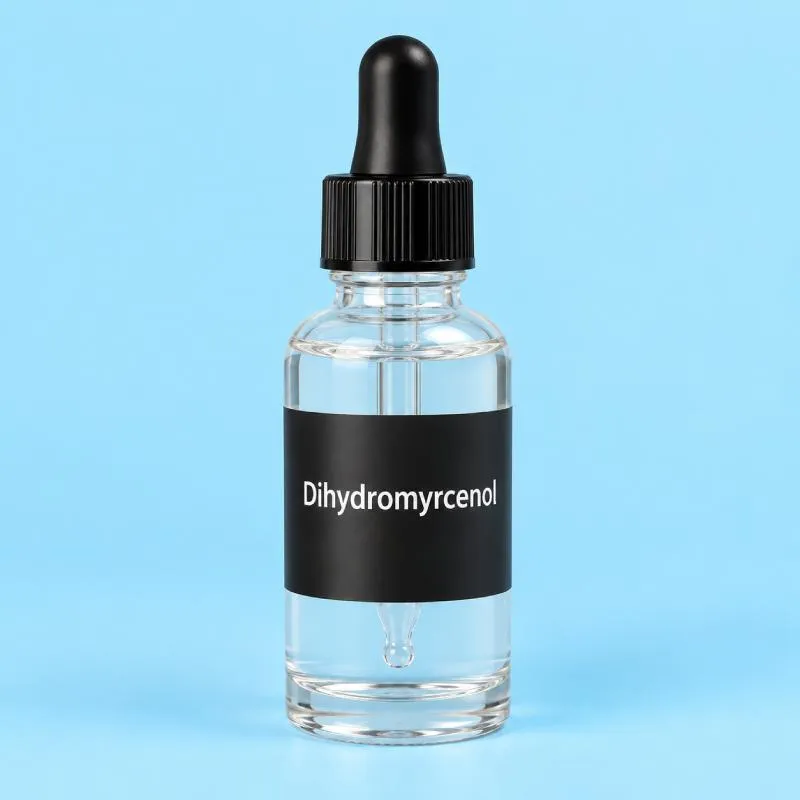
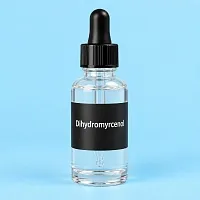
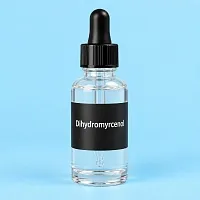
Dihydromyrcenol 5 g for fragrance trials and small-batch formulation
Dihydromyrcenol 5 g is a sample-size fragrance ingredient for evaluating this distinctive aroma chemical, building experimental accords and developing small fragrance trials before moving to larger quantities.
The material has a powerful fresh citrus-aromatic odor with a recognizable lime character. Green, bergamot, cool aromatic and subtle lavender facets can become more noticeable depending on concentration and the ingredients surrounding it.
A 5 g pack is particularly useful when the goal is to explore the material rather than immediately prepare a production-size fragrance compound. It provides enough raw material for multiple miniature trials, comparative accords and preliminary tests in different fragrance directions.
Why choose a 5 g sample size?
Individual aroma chemicals can behave very differently once combined with other fragrance materials. For this reason, evaluating a small quantity before scaling a formula is a practical approach to fragrance development.
Dihydromyrcenol 5 g can be used for:
raw material evaluation
perfumery experiments
small fragrance accords
fragrance training
comparative scent trials
prototype fragrance compounds
soap fragrance testing
personal care fragrance trials
small laboratory samples
evaluation before formulation scale-up
Once the material has been evaluated and a working direction established, Dihydromyrcenol 100 g can be used for larger formulation work.
For regular manufacturing requirements, Dihydromyrcenol 1 kg provides a production-oriented pack size.
Exploring the odor of Dihydromyrcenol
Before creating a complex perfume formula, it is useful to understand the aroma chemical on its own.
Begin by evaluating a small amount on a fragrance blotter. Observe the initial impression and return to the blotter later to understand how the odor develops over time.
The first impression is typically strongly fresh and citrus-aromatic. A lime-like effect can be particularly noticeable, while green, lavender and clean aromatic nuances may become clearer during evaluation.
The material can then be evaluated at a suitable working dilution to understand how its character changes at a lower concentration.
This process helps a formulator determine where Dihydromyrcenol may fit within a future fragrance structure.
A fragrance building block rather than a finished scent
Dihydromyrcenol is most useful when treated as a building block.
It can participate in fragrance concepts such as:
citrus fragrances
fresh aromatic accords
modern fougere compositions
sport fragrances
aquatic concepts
green fragrances
clean fragrance profiles
masculine perfumery
unisex compositions
citrus-woody accords
personal care fragrances
Changing the materials around Dihydromyrcenol can substantially alter the final olfactory result.
This makes the 5 g size particularly suitable for experimentation because several different fragrance directions can be compared without preparing a large batch.
Small accord experiments
One useful way to study an aroma chemical is to create several simple accords rather than beginning with one complicated formula.
Bright citrus trial
Pair Dihydromyrcenol with bergamot and other citrus fragrance materials to investigate its sparkling lime character.
Aromatic fougere trial
Combine it with lavender, green and aromatic materials to explore a cooler fougere structure.
Clean personal care trial
Musk, light floral and fresh aromatic materials can be used to develop a clean scent direction suitable for inspiration in personal care fragrance development.
Fresh woody trial
A woody material can provide contrast to the intense fresh opening and demonstrate how Dihydromyrcenol behaves above a drier base.
Fresh amber trial
For a different experiment, Dihydromyrcenol can be evaluated alongside Ambroxan 100 g. The contrast between citrus-aromatic freshness and an amber-woody direction can be useful when learning how top and base characteristics interact.
Additional materials for experimental fragrance formulas can be explored in the fragrance and aromatic ingredients section.
A practical way to compare several formulas
Instead of using the entire sample in one blend, divide your development work into several miniature trials.
For example, prepare one accord emphasizing citrus materials.
Prepare a second version with a stronger lavender-aromatic direction.
Create another trial around woody notes.
A fourth version can explore musk or amber materials.
Keep the amount of Dihydromyrcenol consistent while changing one part of the surrounding formula.
After the samples have stabilized, evaluate them under the same conditions.
This comparison can reveal much more about the function of the ingredient than evaluating only one complex formula.
Example experimental fragrance accord - 10 g
Dihydromyrcenol - 3.0 g
Bergamot fragrance material - 1.8 g
Lavender fragrance material - 1.2 g
Green aromatic material - 0.8 g
Woody fragrance material - 1.3 g
Musk fragrance material - 1.1 g
Amber fragrance material - 0.8 g
Total weight - 10 g
Accurately weigh each material using suitable laboratory scales.
Combine the ingredients in a clean glass container and mix thoroughly. Close the container and allow the experimental accord to stabilize before carrying out the final odor evaluation.
Evaluate the composition on a fragrance blotter and record your observations.
This is an experimental accord intended to demonstrate one approach to studying Dihydromyrcenol. It is not a universal finished perfume, cosmetic or personal care formula.
Creating formula variations
Once the first trial has been evaluated, make controlled changes rather than modifying every component simultaneously.
For greater citrus impact, adjust the citrus portion of the accord.
For a more aromatic or fougere character, explore the balance between lavender, green and aromatic materials.
For a drier profile, modify the woody portion.
For a softer clean direction, investigate the musk part of the formula.
For greater depth, compare different amber and woody combinations.
Record every variation in grams. Keeping accurate formulation notes makes it possible to identify which change produced the desired result and makes later scaling considerably easier.
Testing a fragrance accord in soap
The 5 g size can also be useful when developing a prototype scent for soap.
First create the experimental fragrance accord separately. After evaluation, prepare a small soap test using the intended base.
Observe the finished sample for odor character and physical compatibility.
A fragrance that smells one way in a bottle or on a blotter may develop differently once incorporated into a soap base.
For this reason, evaluating the complete fragrance in the actual application is an important part of formulation work.
Personal care prototype testing
Dihydromyrcenol may also be evaluated as part of a fragrance compound intended for shampoo, shower gel, liquid soap or other scented personal care products.
Prepare the fragrance compound first and then test an appropriate amount in a small quantity of the intended base.
For transparent products, monitor clarity as well as fragrance performance.
The prototype should also be observed for changes in appearance, viscosity and phase stability.
If the fragrance compound is not sufficiently compatible with a water-based formulation, an appropriate solubilization approach may be required.
Keeping a fragrance development record
Small-scale formulation becomes much more useful when every trial is documented.
For each experiment, record:
the exact weight of every ingredient
the total batch weight
the date of preparation
initial odor observations
observations after stabilization
the base used for application testing
any visible compatibility changes
This information allows a successful 5 g or 10 g laboratory experiment to become the starting point for a reproducible larger formula.
Moving from a sample to a larger batch
Once the preferred accord has been selected, calculate each component as a proportion of the complete fragrance concentrate.
A successful small trial can then be recalculated for a larger batch without changing the intended balance between materials.
For example, an experimental 10 g concentrate can later be recalculated to 100 g or 1000 g.
Scaling the numbers, however, does not eliminate the need for another evaluation. A larger fragrance concentrate and the finished application should still be checked before regular production begins.
Dihydromyrcenol level versus fragrance level
When experimenting with aroma chemicals, two different formulation levels should not be confused.
The first is the amount of Dihydromyrcenol within the fragrance concentrate.
The second is the amount of the complete fragrance concentrate used in the final product.
These are separate calculations.
A percentage used inside an experimental perfume compound should not automatically be transferred directly to shampoo, soap, lotion or another finished formulation.
Final usage decisions depend on the complete fragrance formula, intended product category and documentation applicable to the raw materials and finished application.
Handling and storage
Dihydromyrcenol is a liquid fragrance raw material. Keep the container tightly closed when it is not being used and store it in a cool, dark location away from direct sunlight and excessive heat.
With a small sample, minimizing unnecessary exposure during repeated experiments is particularly useful. Remove only the amount required for the current trial and close the original container promptly.
Dihydromyrcenol 5 g is a practical sample format for perfumers, formulators and fragrance enthusiasts who want to evaluate the aroma chemical, compare small fragrance accords, prepare application prototypes and establish a working formula before moving to 100 g or 1 kg quantities.