-
 DIY: Video master classes
-
 Aromatherapy
-
 Felting master classes
-
 Eating at home
-
 DIY cosmetics for children
-
 Cooking recipes
-
 Detergents, cleaning products with your own hands
-
 Soap making as a business
-
 Natural cosmetics. Raw materials for cosmetics and soap.
-
 Natural oils in cosmetics
-
 News
-
 Recipes for balms and conditioners
-
 Bath Bomb Recipes
-
 Cream recipes. Cream making.
-
 Lotion recipes. Gel recipes.
-
 Mask recipes
-
 Soap recipes. Base soap. Soap from scratch.
-
 Recipes for all occasions
-
 Natural shampoo recipes
-
 Healthy Nutrition Recipes
-
 Scrub recipes. Massage tiles. Ubtan
-
 DIY candles
-
 Reference materials, questions, tips
-
 Startup - soap production
-
 Hair care. Tips, recipes
-
 Facial skin care. Cleansers.
-
 Body care. Tips, recipes
-
 Photo Reviews
-
 Chocolate Handmade


A Guide to Hyaluronic Acid in Cosmetics
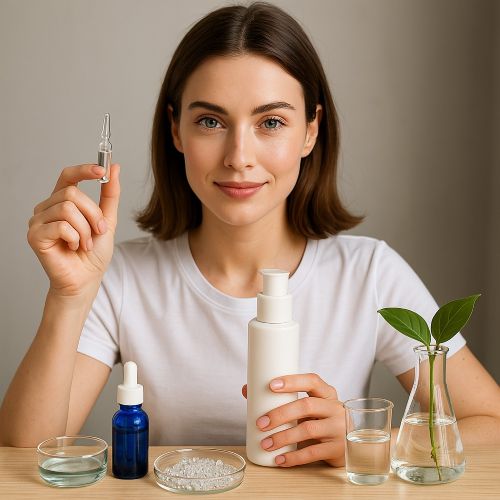 In the ever-evolving world of skincare, few ingredients have achieved the cult status of hyaluronic acid (HA). Praised as a hydration powerhouse, it is the cornerstone of countless serums, creams, and masks. While a multitude of commercial products promise dewy, plump skin, the truth is that you can harness the incredible power of this molecule by crafting your own formulas at home. This guide will take you on a journey through the science of hyaluronic acid, reveal the secrets of its preparation, and provide three detailed recipes that are not only effective but also offer a level of purity and customization that industrial products simply cannot match.
What is Hyaluronic Acid and How Does It Work?
Hyaluronic acid is a naturally occurring molecule found in our bodies, with the highest concentrations located in the skin, connective tissues, and eyes. Its primary function is to bind to and retain water, keeping tissues well-lubricated and moist. What makes HA a star in cosmetics is its remarkable ability to hold up to 1,000 times its weight in water. When applied to the skin, it acts like a sponge, drawing moisture from the environment and the deeper layers of the skin to the surface.
In skincare, you will often encounter two main types of hyaluronic acid:
-
High Molecular Weight (HMW) HA: This type has larger molecules that are too big to penetrate the skin deeply. Instead, they form a protective, hydrating film on the surface. This layer helps to smooth the skin, reduce moisture loss, and provide an immediate plumping effect.
-
Low Molecular Weight (LMW) HA: These molecules are smaller and can penetrate deeper into the skin's layers. LMW HA provides hydration at a deeper level, helping to improve elasticity and firmness from within.
Most effective formulas use a blend of both types to provide comprehensive hydration.
Why Create Your Own Hyaluronic Acid Products?
While commercial options are plentiful, the DIY approach to hyaluronic acid offers compelling advantages.
-
Purity and Ingredient Control: When you formulate your own product, you know every single component. You can choose high-quality cosmetic-grade HA powder and avoid unnecessary fillers, artificial fragrances, dyes, and other additives that might irritate your skin.
-
Cost-Effectiveness: A small jar of high-quality HA powder can cost a fraction of a single commercial serum and will last for dozens of batches. The savings are substantial.
-
Potency and Freshness: Commercial products are often diluted to keep costs down and have a long shelf life. Your homemade toner or serum is freshly made, ensuring the active ingredients are at their maximum potency.
-
Customization: You can easily adjust the concentration of HA to suit your specific needs, starting with a lower percentage for sensitive skin and moving up as desired. You can also combine it with other complementary active ingredients.
-
Environmentally Friendly: By reusing bottles and buying raw ingredients, you significantly reduce your personal plastic and packaging waste.
Nuances of Preparation: Mastering Your DIY Hyaluronic Acid Formulas
Crafting your own hyaluronic acid products is a simple science, but precision and hygiene are paramount.
First, the non-negotiable step is sterilization. Hyaluronic acid is a food source for microbes. Without proper preservation, your product can become a breeding ground for bacteria, mold, and yeast in just a few days, leading to skin infections. You must sterilize all your tools and containers by boiling them for 10-15 minutes or wiping them down with 70% isopropyl alcohol. Let them air dry completely.
Second, ensure accurate measurement. To create a stable and effective product, you must use a digital scale that measures to at least 0.01 grams. This is crucial, as a tiny amount of HA powder goes a long way.
Third, create a stock solution. To make a serum or toner, you first need to create a hyaluronic acid gel. A common practice is to create a 1% or 2% stock solution. For a 1% solution, you would dissolve 1 gram of HA powder in 99 grams of distilled water. To avoid clumping, sprinkle the powder very slowly over the surface of the water, and do not stir immediately. Let it rest for a few minutes to rehydrate and settle, then gently mix. It may take several hours or even overnight for the mixture to transform into a gel.
Fourth, use a preservative. Once your stock solution is ready, you must add a broad-spectrum cosmetic preservative to your final product. Popular choices for home formulators include Geogard 221 (Cosgard) or Euxyl PE 9010. Always follow the manufacturer's recommended usage rate.
Fifth, check and adjust the pH. Hyaluronic acid is most stable and effective at a pH of 5.0-6.0. Use a pH strip or a pH meter to test your finished product. If the pH is too high, you can lower it with a few drops of lactic acid solution.
Three Detailed Recipes for DIY Hyaluronic Acid Products
These recipes are designed for approximately 100 grams of finished product. Remember to always include a preservative.
Recipe 1: The Basic Hydrating Hyaluronic Acid Serum
This simple, powerful serum is perfect for all skin types. It provides a pure burst of hydration without any frills.
Ingredients:
-
Hyaluronic Acid Powder: 1 g
-
Distilled Water: 99 g
-
Preservative (e.g., Geogard 221): 1 g
Preparation:
-
Weigh out your distilled water into a sterilized container.
-
Carefully sprinkle the hyaluronic acid powder over the surface of the water. Avoid dumping it all at once to prevent clumps.
-
Allow the mixture to sit undisturbed for several hours or overnight. You will notice it transform into a clear, viscous gel.
-
Gently stir the gel to ensure it is completely homogenous.
-
Add the preservative and stir thoroughly for at least two minutes to ensure it is fully integrated.
-
Transfer your finished serum to a sterilized dropper bottle.
Recommendations for Use: Apply a few drops of the serum to a damp face. The presence of water on the skin will help the HA to absorb more effectively. Follow with a moisturizer or face oil to lock in the hydration.
Storage: Store in a cool, dark place. The shelf life is typically 3-6 months with a preservative.
Recipe 2: Soothing & Calming Hyaluronic Acid Toner
This toner is designed for sensitive, irritated, or redness-prone skin. It combines the hydrating power of HA with soothing botanical ingredients.
Ingredients:
-
Hyaluronic Acid Powder: 0.5 g
-
Chamomile Hydrosol: 80 g
-
Aloe Vera Liquid Extract (1:1 concentration): 10 g
-
Panthenol (Vitamin B5): 5 g
-
Preservative (e.g., Geogard 221): 1 g
Preparation:
-
Weigh out your chamomile hydrosol into a sterilized beaker.
-
Slowly sprinkle the hyaluronic acid powder over the surface and allow it to sit until a gel is formed.
-
Add the aloe vera extract and panthenol to the gel. Gently stir until all ingredients are combined.
-
Add your preservative and mix thoroughly.
-
Test the pH of the final product and adjust if necessary to be between 5.0 and 6.0.
-
Transfer your finished toner to a sterilized spray or squeeze bottle.
Recommendations for Use: After cleansing, mist your face with the toner or apply it with a cotton pad. Use both in the morning and evening to calm and hydrate your skin.
Storage: Store in a cool, dark place, away from sunlight. The shelf life is typically 3-6 months.
Recipe 3: Anti-Aging & Firming Hyaluronic Acid Serum
This advanced formula combines HA's hydrating power with potent anti-aging actives for mature or dry skin.
Ingredients:
-
Hyaluronic Acid Powder: 1 g
-
Distilled Water: 85 g
-
Vegetable Glycerin: 5 g
-
Peptide Solution (e.g., Matrixyl 3000): 5 g
-
Preservative (e.g., Euxyl PE 9010): 1 g
-
Hyaluronic Acid Stock Solution (1%): 3 g
Preparation:
-
Weigh out your distilled water into a sterilized beaker.
-
Slowly sprinkle the hyaluronic acid powder over the surface and allow it to sit until a gel is formed.
-
In a separate container, weigh out your peptide solution and glycerin.
-
Add the peptide/glycerin mixture to the hyaluronic acid gel. Stir gently until well-combined.
-
Add your preservative and stir thoroughly.
-
Transfer the finished serum to a sterilized dropper bottle.
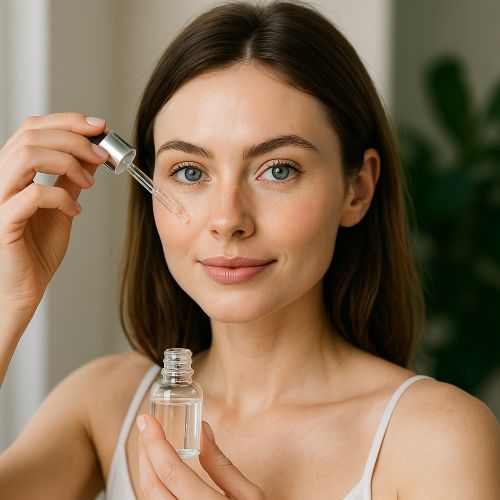
Recommendations for Use: Apply to a damp face twice daily after cleansing. Gently pat into the skin, focusing on areas with fine lines. Follow with a rich moisturizer.
Storage: Store in a cool, dark place. The shelf life is typically 3-6 months.
Conclusion: Your Skin, Your Rules
Creating your own hyaluronic acid products is an empowering step towards truly personalized skincare. It allows you to harness the incredible hydrating power of this molecule in its purest, freshest form, free from the compromises often found in commercial products. By understanding the nuances of preparation and prioritizing proper preservation, you can confidently craft effective, safe, and custom-tailored serums and toners that perfectly address your skin's unique needs. Say goodbye to guesswork and hello to a plump, radiant complexion, cultivated with care and precision, right in your own home.


Cosmetic ingredients and professional formulation blog
This section features expert materials on modern cosmetic actives. We cover peptides, polynucleotides PDRN, different forms of hyaluronic acid, retinoids, ceramides and other key components.
Special focus is given to active stability, ingredient compatibility and correct incorporation into formulas. You will find practical guides on working with anti-age actives, moisturizing complexes and barrier repair ingredients.
We examine how to properly combine myorelaxants with peptides, common mistakes when using unstable vitamin C forms and ways to improve the performance of moisturizing actives.
Separate materials are dedicated to base oils, extracts, emulsifiers and supporting ingredients. This helps create stable and effective formulas for both professional and home cosmetics.
The blog regularly publishes reviews of trending actives, comparisons of similar ingredients and step-by-step formulation recommendations. The content is aimed at formulators, technologists and anyone seriously involved in creating cosmetic products.
Why this blog is useful
Here you will find practical data on eye area care actives, lifting systems and ingredients that improve skin firmness and tone. We rely on real formulation experience and address the actual challenges that arise during product development.
You can also explore materials on skin protection and repair, depigmentation and anti-inflammatory actives. This approach supports a more systematic selection of ingredients.
FAQ
What topics are covered most often
The blog focuses on peptides, PDRN, hyaluronic acid of different molecular weights, retinoids, ceramides and their compatibility rules.
Are there practical recommendations on how to incorporate actives
Yes, most articles include practical notes on pH stability, incorporation temperature and common formulation mistakes.
Is the content only for professionals
The materials are useful both for formulators and technologists and for those who create cosmetics for personal use and want to understand how modern ingredients work.
Where can I go directly to the ingredients
All key actives are collected in the Actives section, while base components are available in base oils and related categories.



