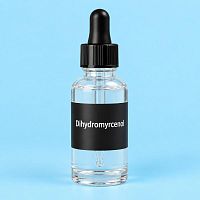
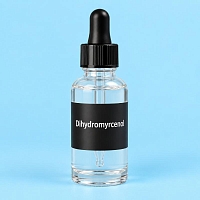
Dihydromyrcenol 1 kg for fragrance manufacturing
Dihydromyrcenol is a synthetic fragrance raw material recognized for its powerful fresh, citrus-aromatic character. It delivers a bright lime-like impression accompanied by cool green, bergamot, aromatic and subtle lavender nuances, making it particularly useful for modern fragrance development.
The 1 kg format is intended for manufacturers, fragrance laboratories, soap makers and formulators who regularly work with individual aroma chemicals and require a larger quantity for repeated production.
Rather than acting as a complete fragrance, Dihydromyrcenol functions as a building material within a fragrance compound. It gives the perfumer control over freshness, diffusion and the overall citrus-aromatic direction of a formula.
Bulk Dihydromyrcenol for professional formulation
A 1 kg pack is particularly practical after an ingredient has already been evaluated during laboratory development and incorporated into a working formula.
It can support production of fragrance concentrates intended for:
fine fragrance
personal care products
hair care
bar and liquid soap
body care
deodorizing products
aftershave formulations
home fragrance
laundry fragrance
household cleaning products
functional fragrance systems
For preliminary formulation work or smaller batches, Dihydromyrcenol 100 g provides an alternative pack size for testing before scaling a formula.
This separation between development quantities and production quantities can simplify formulation trials and subsequent batch scaling.
Odor profile and formulation role
Dihydromyrcenol is characterized primarily by a strong fresh citrus effect. Lime is one of the most recognizable associations, but the material is more complex than a simple citrus note.
Depending on the surrounding fragrance ingredients, it can contribute impressions of:
fresh lime
bergamot
cool aromatic freshness
green notes
lavender
clean cologne
modern fougere
fresh air
sport fragrance
clean personal care
Its strong identity makes the material useful when a formula needs a clear fresh direction rather than a subtle background nuance.
Professional perfumery applications
In fragrance creation, Dihydromyrcenol can help establish the fresh opening and aromatic character of a composition.
Combining it with citrus materials can reinforce brightness and create a more pronounced lime or bergamot direction.
Lavender and aromatic materials can transform the accord toward a contemporary fougere style.
Green materials can produce a cooler and drier impression.
Floral ingredients can soften the composition and make the material suitable for modern unisex concepts.
Woody notes can provide structure beneath the fresh opening, while musk and amber materials can develop a smoother and deeper dry-down.
For an amber-woody contrast, formulators can explore combinations with Ambroxan 100 g. Dihydromyrcenol provides a very different olfactory effect, so using both materials can help create a transition from bright aromatic freshness toward a warmer woody-amber base.
Fragrance ingredient for personal care manufacturing
The 1 kg format can also be relevant for manufacturers developing fragrance compounds for personal care products.
Possible applications include fragrance systems for:
shower gel
shampoo
hair conditioner
body wash
liquid hand soap
bar soap
body lotion
deodorant
aftershave products
men's grooming products
scented hair products
In these applications, Dihydromyrcenol serves an olfactory function. It should not be treated as a moisturizing, conditioning or skin-care active.
The material is used to influence the scent profile of the fragrance compound incorporated into the finished formulation.
Dihydromyrcenol for shampoo and body wash fragrance
Freshness is an important fragrance direction in rinse-off products, particularly shampoos, shower gels and body washes.
Dihydromyrcenol can contribute the bright citrus-aromatic character associated with clean, fresh and energizing fragrance concepts.
The final result depends strongly on the rest of the perfume composition.
Combined with citrus materials, the profile can become brighter and more sparkling.
With lavender and aromatic notes, it can move toward a clean fougere concept.
With musk and soft floral ingredients, it can support a contemporary clean personal-care fragrance.
Compatibility of the complete fragrance compound with the product base should always be evaluated before production.
Soap fragrance development
Soap manufacturers can use individual fragrance materials such as Dihydromyrcenol to develop proprietary scent profiles rather than relying exclusively on finished fragrance oils.
A fresh soap accord might combine Dihydromyrcenol with citrus, aromatic and lavender materials.
A more masculine direction can incorporate woody and amber ingredients.
A cleaner, softer fragrance can combine the material with musk and selected floral notes.
Because fragrance performance can change after incorporation into a soap base, a pilot batch should be evaluated before scaling to regular production.
Home care and functional fragrance
Dihydromyrcenol also has applications beyond fine fragrance and cosmetics.
Its distinctive clean and fresh profile makes it relevant to functional fragrance compositions developed for household products.
Potential product categories include:
laundry detergents
fabric care products
household cleaners
liquid cleaning formulations
air freshening products
room sprays
scented household products
other functional fragrance applications
For these uses, Dihydromyrcenol is generally incorporated as part of a complete fragrance compound rather than considered as the entire fragrance system.
Designing different accords with Dihydromyrcenol
The same raw material can support several fragrance directions by changing the ingredients around it.
Citrus aromatic direction
Combine the material with bergamot, lemon-type and other citrus notes to emphasize brightness and freshness.
Modern fougere direction
Build around Dihydromyrcenol with lavender, green, aromatic and woody materials.
Clean fragrance concept
Combine fresh aromatic materials with musk and light floral notes for a cleaner, softer character suitable for personal care applications.
Woody aromatic fragrance
Use the fresh opening as a contrast to cedar-like, amber and other woody materials.
Aquatic style
The citrus-aromatic freshness can be combined with suitable marine and ozonic fragrance materials to develop a cooler aquatic character.
A broader selection of individual materials for fragrance development can be found in the fragrance and aromatic ingredients section.
How to use Dihydromyrcenol in production
Production work should begin with an approved laboratory formula rather than adding the ingredient directly to a large batch without prior evaluation.
Accurately weigh each fragrance ingredient according to the formulation.
Add Dihydromyrcenol to the fragrance concentrate with the other selected aroma materials.
Mix until the concentrate is homogeneous.
Allow the fragrance blend to stabilize.
Evaluate the odor after stabilization and make any necessary adjustments.
Test the completed fragrance compound in the actual finished-product base.
Check odor performance and physical stability before scaling.
Once the laboratory sample has been approved, the formula can be proportionally recalculated for the required production volume.
Example 1 kg fresh aromatic concentrate
Dihydromyrcenol - 310 g
Bergamot fragrance material - 140 g
Citrus fragrance material - 120 g
Lavender fragrance material - 110 g
Green aromatic material - 70 g
Woody fragrance material - 110 g
Musk fragrance material - 90 g
Amber fragrance material - 50 g
Total weight - 1000 g
Weigh all materials accurately and combine them in suitable production glassware or mixing equipment. Mix thoroughly until uniform and allow the fragrance concentrate to stabilize before final olfactory evaluation.
This formula is provided as an example of how a fresh aromatic concentrate may be structured. It is not a universal formula for a finished perfume, cosmetic, soap or household product.
The proportions can be modified according to the intended fragrance direction and the characteristics of the actual raw materials used.
Scaling from laboratory trials to manufacturing
When moving from a small experimental formula to a larger production batch, maintain the established proportions of the approved fragrance concentrate.
For example, a laboratory formula developed at 100 g can be converted to a 1000 g concentrate by calculating every ingredient according to its percentage of the original composition.
Accurate weighing becomes particularly important at production scale because small proportional changes can alter the odor profile of the entire fragrance compound.
The scaled concentrate should still be evaluated before it is introduced into a large finished-product batch.
Usage level in finished formulations
There is no single Dihydromyrcenol percentage that can be applied universally to perfume, shampoo, soap, body lotion, deodorant and household cleaning products.
Two different concentrations must be considered during formulation:
the percentage of Dihydromyrcenol within the fragrance compound
the percentage of the complete fragrance compound within the finished product
These values are not interchangeable.
A relatively high proportion of a material inside a fragrance concentrate does not mean that the same percentage should be added directly to a shampoo, lotion or soap base.
Production levels should be established according to the complete formulation, intended application, raw-material documentation and requirements relevant to the finished-product category.
Solubility and compatibility in manufacturing
Dihydromyrcenol is a liquid fragrance material used with compatible aroma ingredients and perfumery systems.
For water-based personal care and household formulations, the behavior of the complete fragrance compound must be tested in the actual base.
This is particularly important for transparent shampoos, shower gels, liquid soaps and clear cleaning products where fragrance incorporation may affect clarity or physical stability.
Depending on the formulation, an appropriate solubilization system may be required.
Pilot testing should evaluate appearance, odor, clarity, viscosity and phase stability before commercial production.
Storage and handling
Keep Dihydromyrcenol in a tightly closed suitable container in a cool, dark location protected from direct sunlight and excessive heat.
For professional manufacturing, storage and formulation decisions should follow the documentation supplied with the specific batch of raw material and the requirements applicable to the intended end use.
Dihydromyrcenol 1 kg is a production-size fragrance raw material for perfume compounds, personal care fragrances, soap formulations, home care fragrances and other applications where a strong fresh citrus-aromatic character is required.