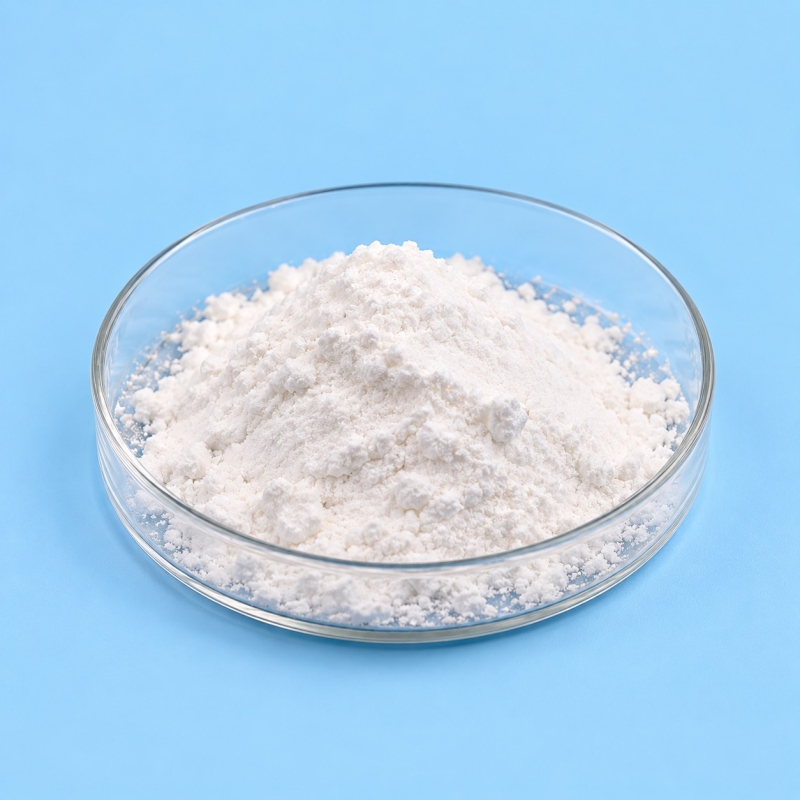
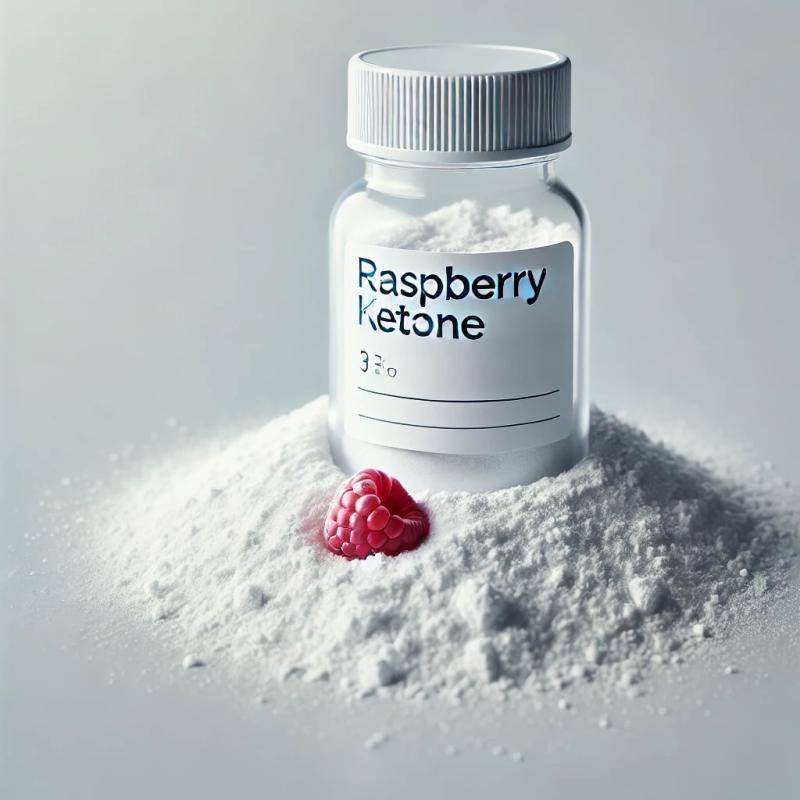
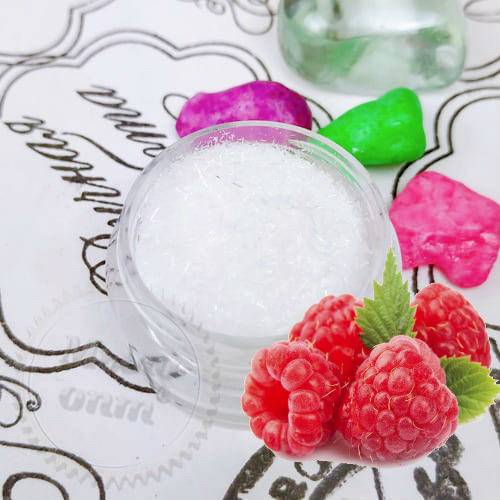
Why the Berry Note Behind Raspberry Ketone Matters for Industrial Formulations
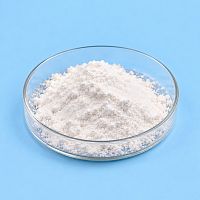
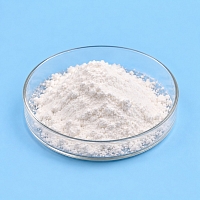
Raspberry ketone is an aromatic compound valued for its distinctive, rich berry-like character, which has moved far beyond a narrow niche into a steady position among fragrant and aromatic substances used across multiple industries worldwide. The largest global demand for this raw material comes from food manufacturing, where it serves as a fruity flavoring agent, followed closely by perfumery and cosmetic production, where the raspberry accent is used to build fruity and gourmand compositions.
In food production, raspberry ketone is added to confectionery, fillings, jelly masses, soft drinks, dairy products and baked goods where a persistent berry note is required without relying heavily on natural fruit extracts. Dosage in this segment is typically minimal, ranging from 0.01 to 0.05 percent of the product mass, since the intensity of both aroma and taste impression is quite strong. It is introduced at the final stage of processing, after the mass has cooled to around 40-50 degrees, to prevent premature evaporation of volatile components and preserve the fullness of the scent.
In perfumery, raspberry ketone often functions as a base fruity note that gets enriched with additional ingredients for complexity and depth. An interesting pairing emerges with methyl salicylate, which adds a cool, slightly minty edge and softens excessive sweetness in the composition. For a more floral-fruity profile, formulators combine it with iso cyclo geraniol, while a touch of beta ionone lends depth and a subtle violet undertone. In perfume concentrates, dosage typically ranges from 0.5 to 5 percent depending on the desired intensity and the role the note plays within the overall structure.
In cosmetic manufacturing, the compound is used to scent creams, lip balms, shower gels, scrubs and similar products where a fruity, slightly sweet accord is wanted. Typical dosage in finished cosmetic formulas ranges from 0.1 to 1 percent, introduced during the cooling stage of the emulsion, usually below 40 degrees, to keep the fragrance stable. Raspberry ketone also appears in household chemical products, contributing berry notes to detergent fragrances, scented candles and sachets, either as a standalone accent or blended with other aromatic materials.
The 1 kg packaging is aimed at manufacturers working with steady raw material volumes — small food workshops, perfumery labs, and cosmetic production lines operating at medium to industrial scale that need reliable supply and the ability to plan purchases over a longer period without frequent reordering. This quantity is convenient for calculating formulations in industrial proportions and helps reduce logistics costs during regular production cycles.
Store the product in tightly sealed packaging, in a dry, cool place away from direct sunlight, heat sources and open flame. Under proper storage conditions the aromatic properties remain stable for an extended period without losing intensity.
Berry Fragrance Base for Household Detergents
Liquid detergent base 900 ml
Raspberry ketone 6 g
Methyl salicylate 1 ml
Citric acid 2 g
Warm the detergent base gently to around 35-40 degrees while stirring continuously. Add the citric acid first to adjust the mixture, then introduce raspberry ketone and methyl salicylate, blending thoroughly until fully incorporated. Allow the mixture to cool to room temperature before transferring it into dispensing containers, keeping it sealed and away from direct heat until use.