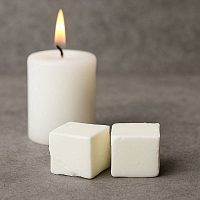
How Bulk White Wax Pigment Supports Large-Scale Candle Manufacturing
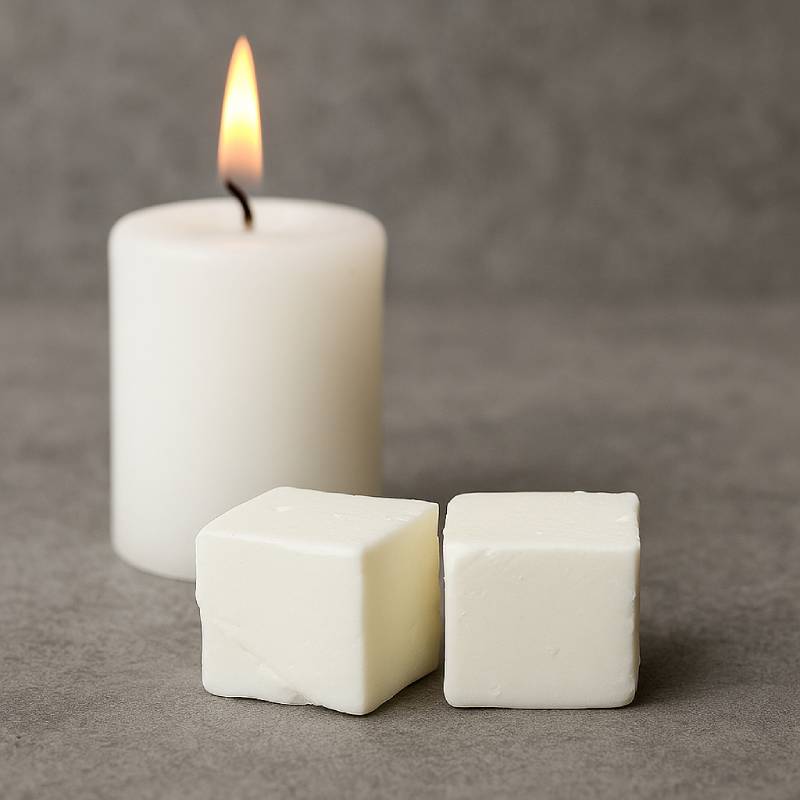
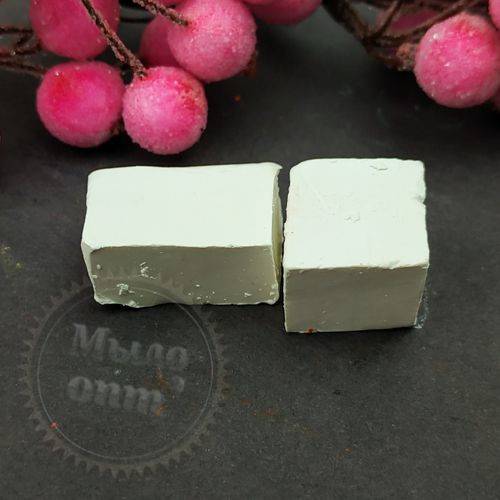
A one kilogram pack of white wax dye is designed for manufacturers who need dependable, repeatable color results across large production runs rather than small experimental batches. This size reduces the frequency of reordering and ensures shade consistency from one production cycle to the next, which matters greatly for brands producing standardized candle lines at scale. This pigment belongs to the Candle colorants section, which brings together dyes suited for paraffin, soy, palm and other wax bases.
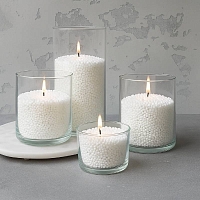
The primary application of white wax dye is decorative and interior candle production, where manufacturers need a dense, opaque white finish that fully conceals the wick and any internal additives. Beyond that, the pigment is widely used in wax tablet manufacturing, floral wax decorations, and religious or ceremonial candles, where white remains the traditional color choice worldwide. On an industrial level, white dye frequently serves as a base for creating pastel shades – blended with other pigments it produces soft pinks, light blues, mint tones and other muted colors without heavy saturation.
The dye should be introduced into melted wax at approximately 70-80 degrees Celsius, stirring thoroughly until the pigment flakes or granules fully dissolve. Dosage is adjusted depending on desired opacity and wax type, typically ranging from 1 to 3 grams per kilogram of base material, though darker paraffin bases may require a higher concentration to achieve a fully opaque white. It is best to add the pigment gradually in small increments, testing on a sample pour, since final shade intensity varies with wax type and cooling temperature.
White pigment pairs well with other wax dyes in the range, such as Dark Blue Wax Dye for Candles 100 g when creating gradient or ombre candles, where the transition from deep tone to white produces a striking visual effect. It also works as a saturation diluter when combined with Red Candle Dye 10 g, allowing manufacturers to achieve softer pink or cream tones instead of a bold red. For warm beige and milky shades, technologists sometimes blend white pigment with a small amount of Coffee Wax Dye for Candles 100 g, producing natural earthy tones popular in Scandinavian and minimalist interior styling.
Store the dye in a dry area at room temperature, in tightly sealed packaging protected from direct sunlight and moisture, to prevent caking and preserve pigment performance over time. When storage conditions are respected, the product maintains stable properties for an extended period, which is especially relevant for a bulk pack intended for ongoing production cycles.
Beyond candle manufacturing, white wax pigment is also used in floral wax decoration crafts, wax seal production, and certain household chemical formulations that require an opaque white appearance. Some smaller workshops apply it in a niche way for coloring handmade soap bases, though this remains a minor use case rather than the primary purpose of the product.
Frosted Winter Pillar Candle
Paraffin or soy wax 850 g
White wax dye 3 g
Stearic acid 45 g
Mica shimmer powder 10 g
Cotton wick primed 1 pc
Melt the wax over a double boiler to about 75 degrees Celsius, then add the white dye gradually while stirring until fully dissolved. Mix in the stearic acid to increase opacity and firmness, then remove from heat and fold in the mica shimmer powder once the temperature drops to around 65 degrees. Secure the wick in the mold, pour the wax slowly to avoid air bubbles, and allow the candle to set at room temperature for at least 6 hours before trimming the wick.