Poloxamer 188 Advanced Surfactant Architecture and Industrial Synthesis Applications
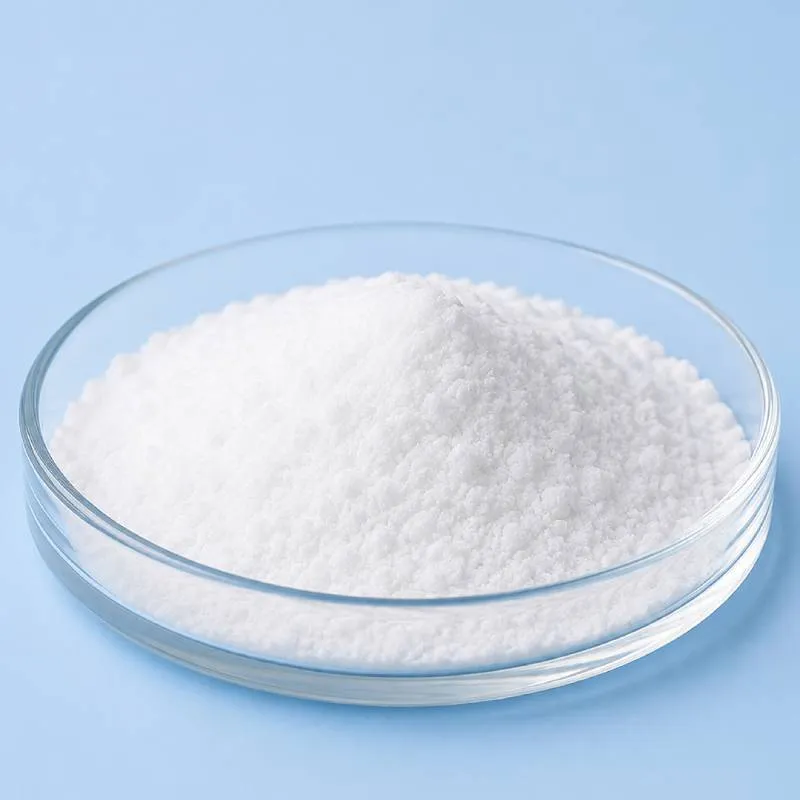
Poloxamer 188 is a premium synthetic non-ionic triblock copolymer composed of a central hydrophobic chain of polyoxypropylene flanked by two hydrophilic chains of polyoxyethylene. This highly specialized functional ingredient represents a crucial asset for international B2B contract manufacturing, chemical research laboratories, and large-scale manufacturing due to its exceptional solubilizing, emulsifying, and stabilizing capabilities. Unlike traditional harsh surfactants, Poloxamer 188 provides an ultra-gentle structural framework that allows chemical formulators to achieve thermodynamic stability in complex multi-phase systems without altering the biological activity of delicate compounds. The global market visibility of this polymer stems from its versatile thermo-reversible properties, superior safety index, and extreme flexibility across diverse environmental conditions. Industrial suppliers and independent formulators select this clean-label polymer as a reliable processing aid that ensures strict reproducibility, enhanced clarity, and uniform distribution of active matter in final commercial products.
Structural Performance and Thermodynamic Mechanics
The primary function of Poloxamer 188 lies in its unique micellar chemistry, which lowers interfacial tension and facilitates the uniform dispersion of hydrophobic compounds within aqueous environments. Within cosmetic chemistry and industrial processing, this polymeric surfactant acts as a non-irritating cleansing agent, a high-efficiency solubilizer for delicate essential oils, and an auxiliary stabilizer for oil-in-water emulsions. The molecule is highly valued by technical architects because it maintains its structural integrity across a broad pH spectrum and exhibits compatibility with cationic, anionic, and amphoteric surfactant systems. This specific poloxamer grade is frequently chosen to counteract the crystal growth of suspended particles, improve the shelf life of complex pigment systems, and optimize the spreadability of protective topical coatings.
Sector Applications and Global Market Integration
The global demand for Poloxamer 188 spans across multiple high-stakes industries, ranging from clean beauty manufacturing to technical industrial output. In the cosmetic and skincare industry, the substance serves as the foundational cleaning block for micellar waters, sensitive skin cleansers, and professional-grade makeup removers where dermal compatibility is mandatory. The hair care sector implements this block copolymer to design conditioning rinses and clear styling gels, utilizing its ability to rinse away completely without leaving a heavy film or causing buildup on the scalp.
For the soap-making industry, both in large-scale automated factories and artisan operations, Poloxamer 188 provides a method to introduce lipid-rich plant extracts and delicate aromatic fractions into liquid soaps and solid bars without clouding the final base or decreasing flash foam quality. The household chemical industry utilizes the compound in the production of premium surface cleaners, lens cleaning solutions, and anti-fogging agents, relying on its streak-free drying profile and excellent wetting action.
Within the pharmaceutical and nutraceutical sectors, the polymer is indispensable as a cell membrane stabilizer, an excipient for controlled release formulations, and a bioavailability enhancer for poorly water-soluble active molecules. The versatility of Poloxamer 188 makes it perfectly adapted for both professional contract manufacturing requiring strict technical parameters and small-scale custom laboratories focused on micro-batch luxury formulations.
Formulation Advantages for Corporate Chemical Architects
From an engineering perspective, Poloxamer 188 delivers remarkable processing advantages that streamline industrial manufacturing lifecycles. It functions as a powerful rheology modifier and anti-gelling agent when exposed to temperature changes, permitting cold processing methods that conserve plant energy and protect heat-sensitive active ingredients. Formulators leverage its thermo-reversible behavior to create adaptive textures that transition from fluid states during manufacturing to rich structures upon application. Furthermore, the surfactant prevents the sedimentation of organic particulates in liquid suspensions, meaning manufacturers can design high-performance clean beauty formulations with fewer synthetic stabilizers and thickeners.
Formulation Blueprint Ultra Gentle Micellar Cleansing Fluid
Purified Water 84.5 ml Rose Hydrosol 8.0 ml Poloxamer 188 4.5 grams Vegetable Glycerin 2.0 ml Sodium Benzoate 0.5 grams Potassium Sorbate 0.5 grams
The production sequence follows a precise cold-blending protocol. Pour the purified water and rose hydrosol into a clean stainless steel processing vessel at room temperature. Introduce the Poloxamer 188 powder slowly into the vortex under steady mechanical agitation at low speed to avoid excessive foam formation. Allow the mixture to hydrate fully until a pristine, translucent fluid structure is obtained. Once the polymer is fully dissolved, introduce the vegetable glycerin while continuing to stir. In the final phase, add the sodium benzoate and potassium sorbate, blending until all crystalline particles are completely solubilized. The resulting product is a crystal-clear, water-light micellar fluid with a balanced pH of approximately five point five, displaying zero stickiness, supreme sensory glide, and excellent emulsifying performance against heavy lipid residues.
Poloxamer 188 represents a foundational pillar for modern, high-tier product design within commercial manufacturing sectors. Its excellent toxicological record, combined with its high capacity for stabilizing intricate chemical matrices, allows international corporations and boutique brands to achieve superior product longevity. By implementing this premium non-ionic copolymer, B2B buyers ensure their processing systems remain fully compliant with the advancing regulatory and transparency requirements of the modern international retail environment.